August 7, 2026. The Ministry of Defense of Ukraine has released shocking results regarding the performance of its air defense over the past month. July 2026 has gone down in history as a period of unprecedented intensity of air attacks, during which Ukraine's sky defenders were forced to repel mass strikes under conditions of a critical shortage of ammunition.
Scale of Attacks: 9,000 Enemy Units
According to official data from the Air Force of the Armed Forces of Ukraine, during July the enemy deployed more than 9,000 strike drones and missiles of various types. This figure does not include reconnaissance unmanned aerial vehicles, the number of which also amounts to thousands. Additionally, more than 48,000 drones were neutralized at the tactical level. However, the key challenge for the air defense was not the mass of drones, but the ballistic nature of the attacks. In July, the enemy used a record number of ballistic missiles, creating a colossal load on interception systems.
Loss Statistics: Successes and Failures
An analysis of specific night attacks shows a mixed result for the air defense. On the night of July 2, the enemy launched a powerful wave including 4 "Zircon" anti-ship missiles, 24 "Iskander-M"/S-400 ballistic missiles, and dozens of cruise missiles. In this attack, Ukrainian forces demonstrated high effectiveness against cruise missiles, shooting down 44 out of 46; however, success against ballistic missiles was minimal: only 4 out of 28 missiles following a ballistic trajectory were intercepted.
The situation repeated itself on the night of July 6. With the launch of 68 missiles and more than 350 drones, the air defense intercepted 37 out of 39 cruise missiles, but the ballistic missiles were not shot down. The third major attack on the night of July 30 also confirmed this trend: out of 74 missiles, only one ballistic missile was intercepted, while cruise missiles and drones were repelled with a high degree of success.
Critical Shortage of Interceptor Missiles
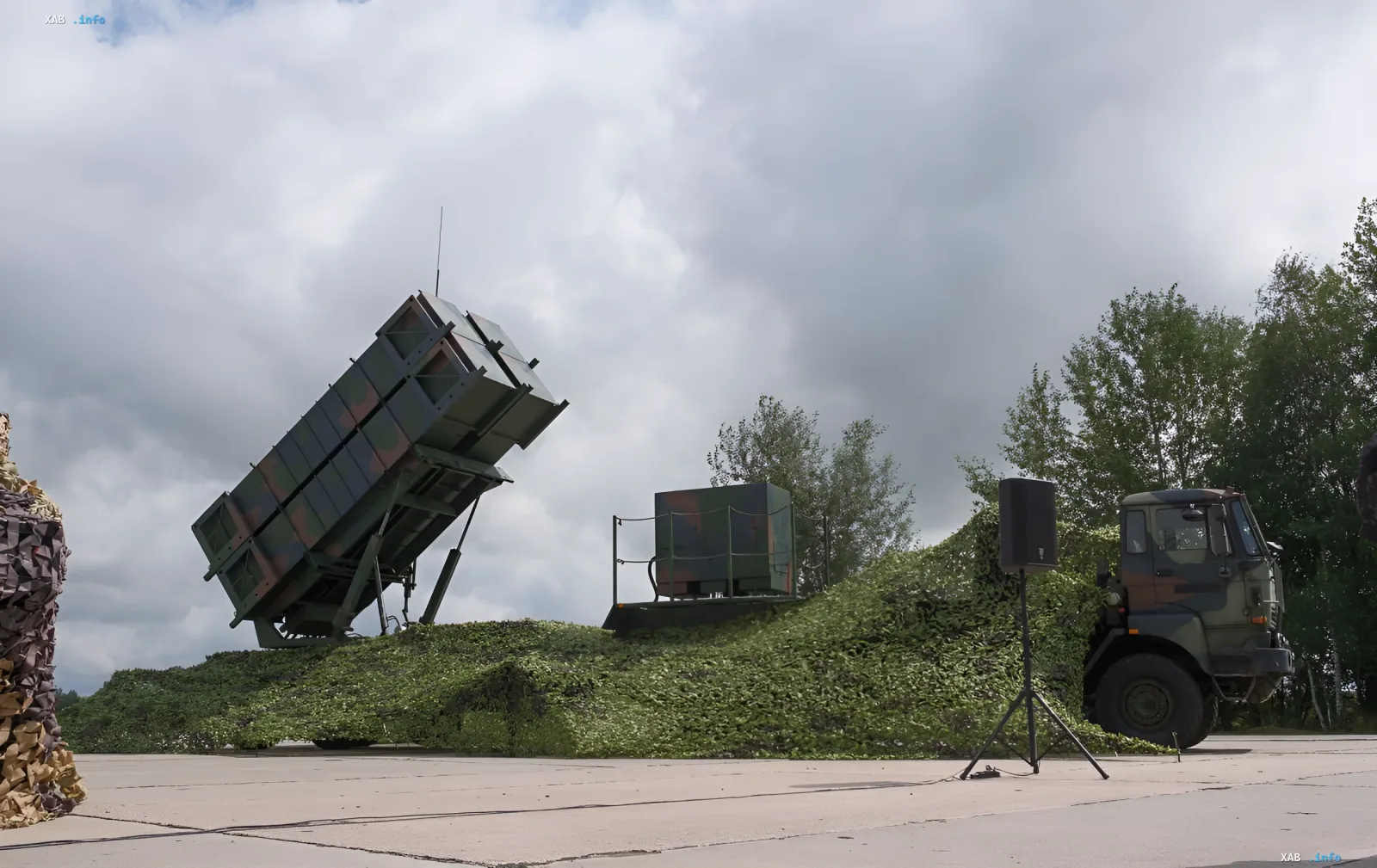
The main reason for the low effectiveness of intercepting ballistic targets was the acute shortage of interceptor missiles. Ukrainian President Volodymyr Zelenskyy, in recent statements, emphasized that the country is in a critical situation and needs urgent supplies to protect against "ballistic terror." Existing stocks of missiles for Patriot systems and other SAMs have been depleted during continuous attacks, forcing command to prioritize and often sacrifice protection against ballistic missiles in favor of repelling cruise attacks.
Diplomatic Solution and New Appointments
To overcome the crisis, Kyiv has intensified diplomatic efforts. Currently, intensive negotiations are underway with the USA to accelerate the delivery of missiles for Patriot systems, and the launch of joint production of air defense means is being discussed. Furthermore, Ukraine is counting on support from Japan to organize the production of Patriot complexes under an American license. Within the country, new personnel appointments have been announced aimed at strengthening the coordination of air defense work and accelerating the implementation of key defense projects.