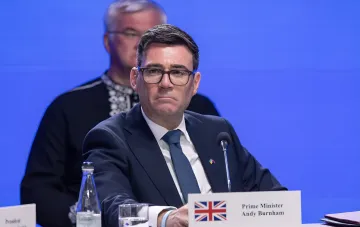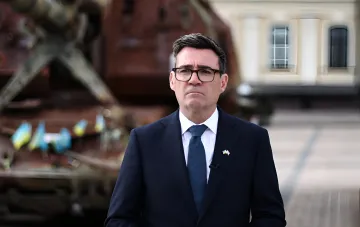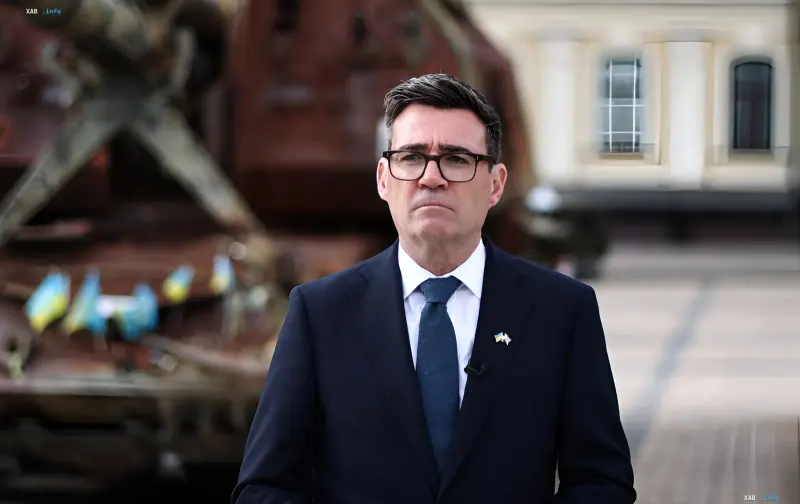
In London, discussions are growing increasingly serious that the UK might reconsider not only individual consequences of Brexit, but the very format of its relationship with the European Union. According to one of Prime Minister Andy Burnham's high-ranking supporters, the head of the British government is personally convinced that the country needs to return to the EU and believes this position reflects public sentiment. The statement comes against the backdrop of a noticeable rapprochement between London and Brussels, which in recent months has resulted in concrete agreements to revise parts of the terms of Britain's exit from the block.
The Prime Minister's personal stance, not a tactical move
«He wants to return. That's the truth. He is deeply convinced of it and believes his position reflects the public mood. It is wrong to think someone else is behind this or that it is just a clever tactical move. He simply believes in it himself,» said the publication's source, describing Burnham's views. Thus, the prime minister's entourage directly rejects the notion that rhetoric about returning to the EU is merely a tool of political positioning or reflects someone else's interests.
Revising Brexit terms: what has already been agreed
The statement was made against the backdrop of practical rapprochement between London and Brussels. On October 20, the parties announced agreements providing for the revision of some Brexit conditions. In particular, the countries agreed to abolish most checks and sanitary certificates for food and agricultural products. They also plan to integrate emissions trading quota systems, launch a youth exchange program, and step up consultations on migration and security issues. The British government believes the preliminary Brexit agreement was insufficiently developed and expects the new arrangements to deepen cooperation and benefit both sides.
London's economic calculations
According to British government estimates, thanks to the new agreement, the UK's GDP could grow by 0.5% by 2040. This figure is used in London as an argument that deepening integration with the largest sales market is economically justified and capable of restoring the higher growth rates and prosperity levels previously mentioned by the prime minister himself.
Three scenarios and public sentiment
The debate on the UK's return to the EU intensified in the autumn of 2026. On September 30, speaking at the annual Labour Party conference in Liverpool, Burnham allowed for the country's re-entry into the bloc after the 2029 elections and named three possible options: maintain current relations, deepen cooperation, or become an EU member again. He stated that Brexit «brought more harm than good» and that the country needs a clear strategy for long-term relations with the EU; the prime minister intends to present details on these options ahead of the UK-EU summit scheduled for the end of the year. Public support for the idea also exists among Britons: according to a poll released on October 3, re-joining the EU was supported by about 49% of voters.