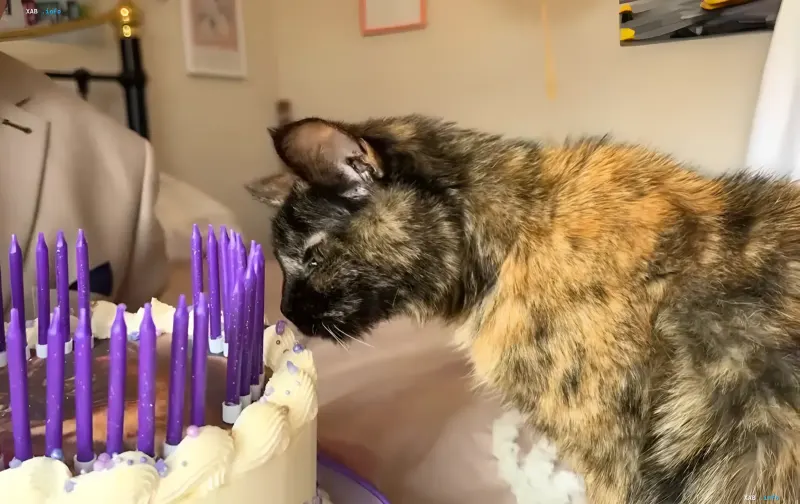
In the UK, a cat named Millie is said by her owner, Leslie Paul, to be 31 years old. Born in 1995, the Welsh cat has become one of the oldest living cats in the world, although she has not yet received an official record-holder title. Millie's story is not only a chronicle of longevity, but also a tale of human attachment, loss, and an attempt to preserve the memory of a loved one through caring for a pet. Her owner dreams of Millie officially entering the Guinness World Records, but an unexpected obstacle awaits him on this path due to the loss of a key witness.
How the Cat Became Part of the Family: From a Three-Month-Old Kitten to 31 Years
Millie's first owner was Leslie's wife, Paula, who brought the kitten home when she was just three months old. Leslie met Paula in 2012 through a dating website and first heard Millie meowing in the background during phone calls with his future wife. The couple married in 2014 and lived together until 2020, when Paula passed away from the consequences of a coronavirus infection. According to Leslie, his wife's death was the hardest test not only for himself, but also for the cat: "At first, Millie didn't eat anything at all. I gave her shrimp and chicken, but over time she started eating cat food again," he told the SWNS agency.
Special Diet and "Water Monogamy": What the Record-Breaker Eats and Drinks
Leslie is convinced that the secret to Millie's longevity lies in a well-thought-out diet and careful grooming. The cat's diet includes salmon, shrimp, chicken, and tuna, as well as treats and regular cat food. However, Millie's truly unique habit is her attitude toward water: for about ten years now, she has been drinking exclusively Buxton mineral water. According to her owner, this habit arose completely by accident. When water pipes near their home were being repaired, Leslie started having bottled water delivered. He gave it to both himself and Millie, and later decided to keep using this particular brand. The cat, as it turned out, refused to drink anything else.
Old Age, Care, and a Quiet Lifestyle
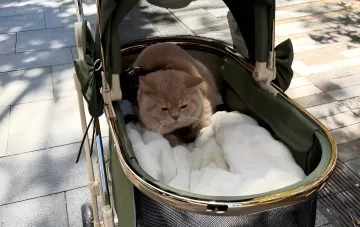
With age, Millie has naturally developed health issues: her hearing has worsened and she has experienced trouble with one of her paws. In addition, the cat became more cautious after being bullied by other neighborhood cats and now spends most of her time indoors. Leslie believes that this transition to a calmer lifestyle has had a positive effect on her condition. On hot days, her owner turns on two fans near the cat and adds ice cubes to her water to help her cool down. Millie's temperament has become even more relaxed and calm over the years: she loves resting on the sofa next to her owner or on the bed, and occasionally goes out to play in the garden.
The Path to the Guinness World Records: What's the Problem
Leslie Paul dreams of Millie being officially recognized as the oldest living cat in the world. However, a serious problem has arisen with confirming her age. "Unfortunately, the only person who can do this is my late wife," he admitted. It was Paula who brought the kitten home in 1995 and, logically, is the only one who can reliably confirm the birth date. To date, Leslie has only a single 1995 photograph showing a small kitten eating from a bowl. Without additional documents or testimonies, the Guinness World Records is not ready to award Millie the official title. Thus, despite the claimed 31-year-old age, the cat currently remains a record-holder only in her owner's eyes.
Context: What is Known About Cat Longevity
The average lifespan of domestic cats is 12–18 years, although some individuals live to 20 or more years with good care. Cats whose age exceeds 30 years are an extremely rare phenomenon. Over the years, the Guinness World Records has listed cats aged 25–28, and every new candidate for the title of oldest cat attracts the attention of zoologists and journalists worldwide. Millie's story, if her age is confirmed, could become a new milestone in understanding the limits of domestic cat longevity and draw attention to animal gerontology issues.