In October 2026, the Ukrainian fruit and vegetable market is experiencing noticeable price fluctuations. Analysts record a redistribution of key product costs under the influence of seasonal factors, changing supply volumes, and logistical features. In particular, an increase in supply volumes on trading platforms has led to a decrease in the cost of a number of basic borsch set vegetables, while greenhouse products and certain fruits show an opposite upward trend in pricing.
Dynamics of prices in the vegetable market
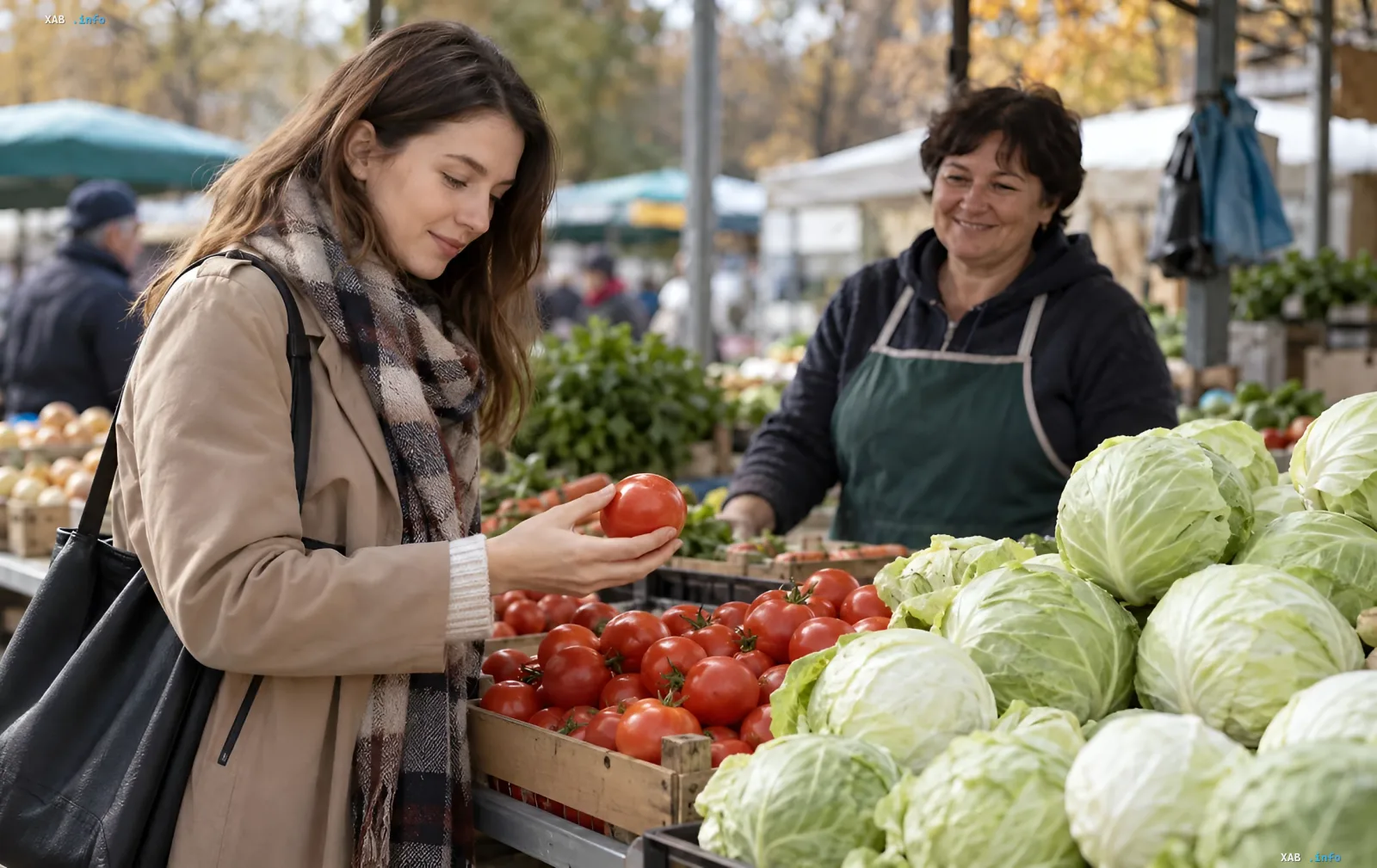
The most significant changes over the past week have affected white cabbage. Against the background of expanding supply, its market value decreased to 17-20 hryvnias per kilogram, although a week earlier this vegetable was sold at 20-25 hryvnias. A similar trend affected onions and beets, which are also losing price due to sufficient reserves in storage facilities. Potatoes are kept in the range of 11-14 hryvnias per kilogram, and carrots are offered at 13-17 hryvnias per kg. In addition, experts note a decrease in the cost of greens: dill fell in price to 175-185 hryvnias per kilogram, parsley costs 125-135 hryvnias, and green onions are sold at 60-100 hryvnias per kg.
Rise in prices for tomatoes and berries
In contrast to open-ground vegetables, tomatoes continued to rise rapidly in price. Tomato prices increased from 40-50 to 55-65 hryvnias per kilogram due to a reduction in seasonal harvesting. There is also an increase in the cost of cauliflower, which now costs buyers 50-60 hryvnias per kg instead of the previous 45-55 hryvnias. In the fruit and berry segment, prices for blueberries and raspberries jumped due to the end of the active fruiting period. Blueberries are sold at 250-450 hryvnias per kilogram compared to 230-350 hryvnias a week earlier, and raspberries rose in price to 220-370 hryvnias per kg.
Impact of external factors and processing
Pricing in the Ukrainian market is formed not only under the influence of domestic demand, but also due to foreign economic conditions. Thus, in the industrial apple segment, an additional pressure factor was Poland's restriction on the import of Ukrainian apple concentrate. This led to a decrease in purchase prices for raw materials used for processing. Nevertheless, fresh apples remain leaders in terms of the number of offers in the fruit sector, maintaining a stable range of 20-30 hryvnias per kilogram, while imported persimmons and exotic fruits show a gradual decrease in volumes on store shelves.