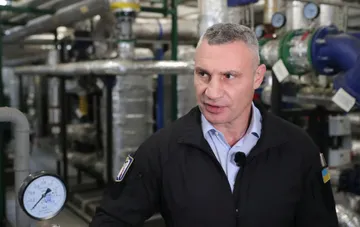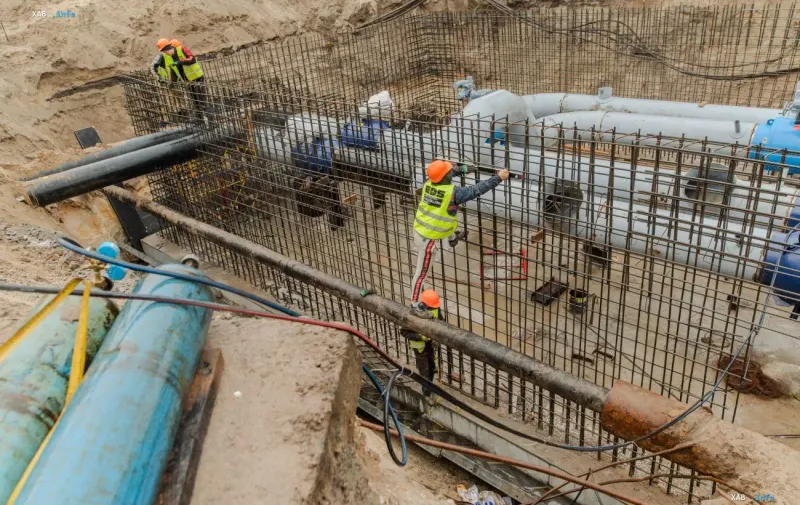
The Ukrainian authorities plan to commission over 1.5 GW of additional thermal generation in Kyiv, with work to be carried out directly during the ongoing heating season. This was announced by Ukraine's Minister for Restoration, Infrastructure, and Communities Development, Mykola Kalashnyk, following an inspection of the construction of protective structures and backup boiler houses in the capital.
Construction Progress and Equipment Commissioning Timeline
A large-scale set of works is underway at critical infrastructure construction sites. Specialists need to complete the construction of structures, install technological equipment, connect it to engineering networks, and carry out commissioning tests. According to preliminary estimates by the relevant ministry, these stages will take about two months, with the launch of certain facilities scheduled for the end of December of this year.
Measures to Accelerate Project Implementation
To reduce the deadlines for commissioning facilities, the specialized ministry, in cooperation with the city authorities and contractors, has implemented a number of additional measures. Among them are searching for alternative connection points to gas networks, simultaneous execution of construction and gas installation works, increasing the number of crews, and switching to a multi-shift work schedule. In addition, work is underway to amend the regulatory framework to simplify similar projects in other regions of the country.
Integration of New Facilities and Winter Plans
During the inspection, the readiness of a facility recently transferred from state to municipal ownership was also checked. In the near future, it is to be integrated into the city's energy system and become an additional power source. The creation of backup capacities and the physical protection of energy facilities are considered by the government as key elements of the resilience plan for the Ukrainian capital during a difficult autumn-winter period.
Significance of Additional Capacities for the Energy System
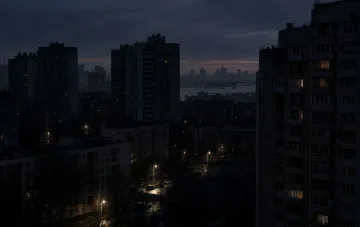
Commissioning 1.5 gigawatts of additional generation and backup boiler houses should significantly reduce the risks of heat shortages in Kyiv against the background of increased infrastructure load. The parallel resolution of energy facility security issues and the modernization of the regulatory framework form the foundation for a more flexible response to technological challenges and emergencies in the country's largest metropolis.