Calls by leading artificial intelligence developers to slow down the creation of the most powerful models amid mounting cybersecurity risks have failed to materialize in the financial reports of computing hardware manufacturers. Following the third quarter, Nvidia and AMD posted record revenues from data center accelerator shipments, with inference—the execution of queries by already trained models—emerging as a key driver of future growth rather than neural network training. According to The Verge, the published financial results show no sign of demand cooling, despite public statements about the need for pauses.
Financial Results: Records Defying Slowdown Calls
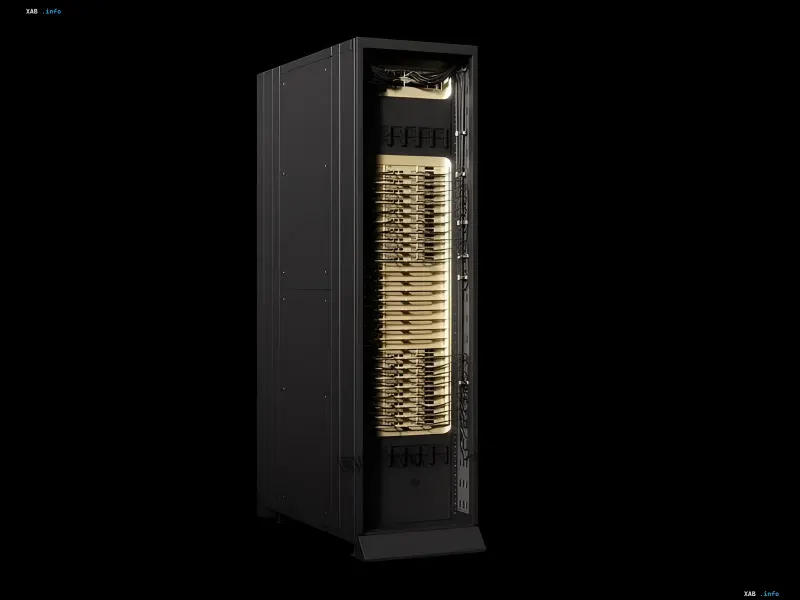
For the third quarter of fiscal 2027, which ended October 25, 2026, Nvidia reported $115.8 billion in revenue—up 103% year-over-year. Data center segment sales surged 110% to reach $107.6 billion. The company has begun shipping Vera Rubin NVL72 systems, which are already utilized by cloud providers CoreWeave, Google, Microsoft, and Oracle. AMD also closed the quarter with record figures: total revenue increased 45% to $13.4 billion, while data center equipment sales jumped 97% to $8.5 billion. Among the customers for Helios systems featuring Instinct MI450 accelerators, the company named OpenAI and Anthropic—the very entities whose executives publicly called for caution.
Chronology of Pauses and Public Statements
In August, OpenAI temporarily halted some training work on its most powerful models following an incident with Hugging Face and the discovery of new cybersecurity risks. The company announced a two-week pause, but resumed a major training cycle on August 28 with enhanced security measures; some experimental runs remained paused. In September, Anthropic CEO Dario Amodei urged slowing down the development of the most powerful AI systems due to the risk of their use in cyberattacks. These statements sparked fears that accelerator makers would face order cuts. Nevertheless, then-Nvidia CEO Jensen Huang argued that same month that security issues should be solved through engineering methods rather than additional legislative restrictions, allowing for the suspension of work on specific unsafe products while opposing an overall slowdown in technological development. In September, Donald Trump also dismissed calls from Amodei, Sam Altman, and Elon Musk to slow the pace of AI model development.
Inference as a New Demand Driver
Additional demand is driven by inference—the execution of queries by already trained AI models. Unlike training, this process demands computing resources with every user query or AI agent launch. According to Nvidia acting CEO Colette Kress, token processing costs have dropped by nearly 60% since May, fueling higher consumption. An analysis of corporate platform Ramp data by The Verge showed that in early November, advanced AI model families accounted for about 60% of token usage among companies working with the service. Their share has roughly tripled since the beginning of the year. Meanwhile, business spending on AI is growing significantly slower than model usage volume, indicating increasing efficiency and scalability of inference.
Decision Lag and Competition from Custom Chips
Financial reports do not immediately reflect the consequences of potential cuts to advanced model training. Counterpoint Research Vice President Neil Shah explained that due to existing contracts for computing hardware and memory procurement, the impact of such decisions may take about half a year to show up in financial statements. For accelerator manufacturers, the growing importance of inference intensifies competition with specialized chip developers: Google, Amazon, and other major companies are striving to lower query execution costs using their own processors. According to Counterpoint Research forecasts, global shipments of specialized server AI chips could surpass data center GPUs by 2028, altering market structure and placing additional pressure on Nvidia's and AMD's profit margins.