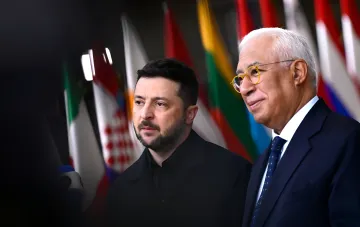
The issue of Ukraine's European integration remains one of the most discussed geopolitical processes today. Amid Kyiv's aspiration to accelerate the negotiation process with the European Union as much as possible, discussions regularly arise about which factors could become obstacles on this path. Special attention is traditionally drawn to historical discrepancies between neighboring states, including debates surrounding the figure of Stepan Bandera, which periodically flare up in the public sphere.
Historical Disputes and EU Negotiation Clusters
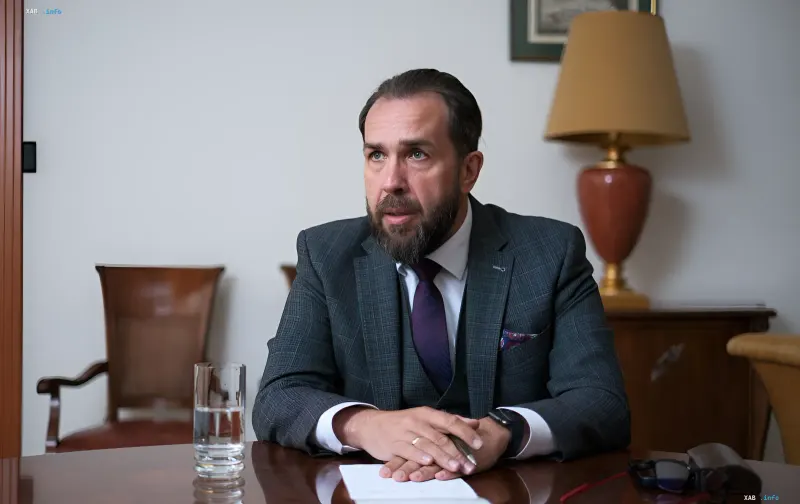
As stated by the Chargé d'Affaires of Poland to Ukraine, Piotr Łukasiewicz, in an interview with RBC-Ukraine, historical issues at this stage are not part of the official negotiation process for Ukraine's accession to the European Union. The diplomat recalled that the first negotiation cluster was successfully opened after overcoming the Hungarian blockade, with significant contributions made by Polish leaders, including Prime Minister Donald Tusk and Foreign Minister Radosław Sikorski. This phase of European integration exclusively touches upon human rights, freedom of speech, and fundamental values, leaving the historical context outside the current legal and economic procedures.
Current Tasks: The Mathematics of Reforms Instead of Politics
According to the Polish diplomat, the current phase of negotiations represents a kind of mathematics. It requires Ukraine to fulfill specific technical requirements, adapt national legislation to EU standards, strengthen the rule of law, and combat corruption. Łukasiewicz emphasized that although Kyiv is showing certain successes in implementing reforms, the pace of their implementation must be accelerated. As an example, he cited discussions surrounding tax legislation and procedures for approving laws in the Verkhovna Rada, noting that the country should focus on urgent tasks of today rather than trying to predict Europe's political landscape over a six-to-eight-year horizon.
Economic Challenges and the Agrarian Factor
In addition to legal and administrative requirements, Ukraine's European integration path inevitably touches upon economic and agrarian issues, which also spark discussions in Poland and other community countries. Łukasiewicz noted that similar concerns were once experienced by Polish producers during their EU accession, but deep transformation and competition ultimately strengthened the state's economy. In his opinion, the ultimate goal of European integration is not to create barriers, but to build a strong and competitive economy capable of operating effectively in global markets alongside the US, China, and India.
Contradictory Data
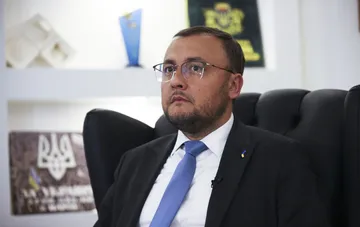
While the official position of Polish diplomacy represented by Piotr Łukasiewicz is that historical disputes surrounding the figure of Stepan Bandera do not affect the current technical stage of the negotiation process with the EU, opposite trends are periodically recorded in the information space. According to other sources and analytical materials (for example, publications in Russian media referring to statements by the Ukrainian ambassador to Poland from August 2026), historical memory and the assessment of controversial historical figures continue to be a sensitive irritant in bilateral relations. Some political forces in neighboring countries use this topic to pressure Kyiv, creating risks of politicizing the European integration process in the future, despite the strict legal nature of the initial negotiation clusters.