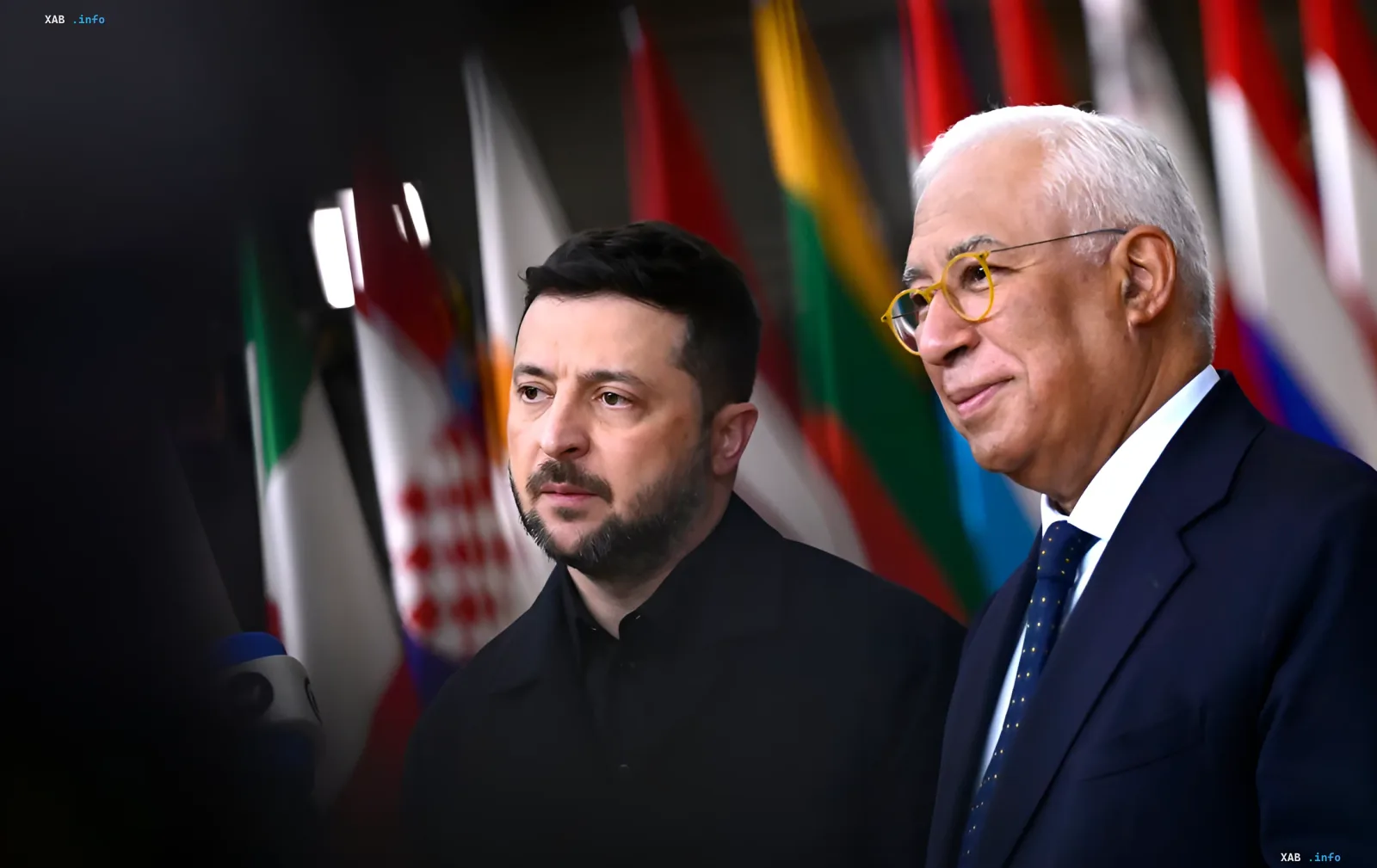
President of the European Council António Costa held a telephone conversation with President of Ukraine Volodymyr Zelenskyy, during which the parties discussed key issues of European integration and the current geopolitical situation. Following the talks, the head of the EU officially invited the Ukrainian leader to participate in the upcoming European Council meeting next week for an in-person discussion on further steps to bring Ukraine closer to the EU.
Progress of European Integration and Negotiation Clusters
During the official consultations, the leaders paid special attention to Ukraine's practical progress along the path of reforms. António Costa confirmed that the official opening of the first two negotiation clusters is expected as early as next week. At the same time, Brussels and Kyiv expect the remaining thematic clusters to be launched by the end of the current year, despite existing bureaucratic and political obstacles.
Assessment of Russian Aggression and Financial Support
A separate topic of the talks was the escalation of the conflict and increased attacks by the Russian Federation on civilian targets, as well as hybrid threats against European Union member states. Costa emphasized that such actions clearly demonstrate Moscow's unwillingness to conduct a constructive peaceful dialogue. In turn, Volodymyr Zelenskyy expressed gratitude for the financial tranche of 1.2 billion euros received the day before, which will be directed toward strengthening Ukraine's defense capabilities, including the procurement and production of drones.
Contradictory Data
Despite optimistic statements from EU leadership regarding the prompt opening of negotiation clusters, serious doubts persist among experts regarding the timeline for final accession. While the Ukrainian side and some European institutions insist on accelerated integration, skeptical assessments circulate in Brussels diplomatic circles suggesting that actual accession is unlikely to happen before 2030. In addition, the EU leadership's policy regarding dialogue with Moscow periodically faces internal criticism from certain member states.
Further Diplomatic Steps
In the near future, the Ukrainian leadership plans to continue intensive consultations with international partners. In particular, a trilateral meeting is scheduled between Volodymyr Zelenskyy, António Costa, and European Commission President Ursula von der Leyen, along with a series of contacts with representatives of the United States of America to synchronize positions on key security aspects.