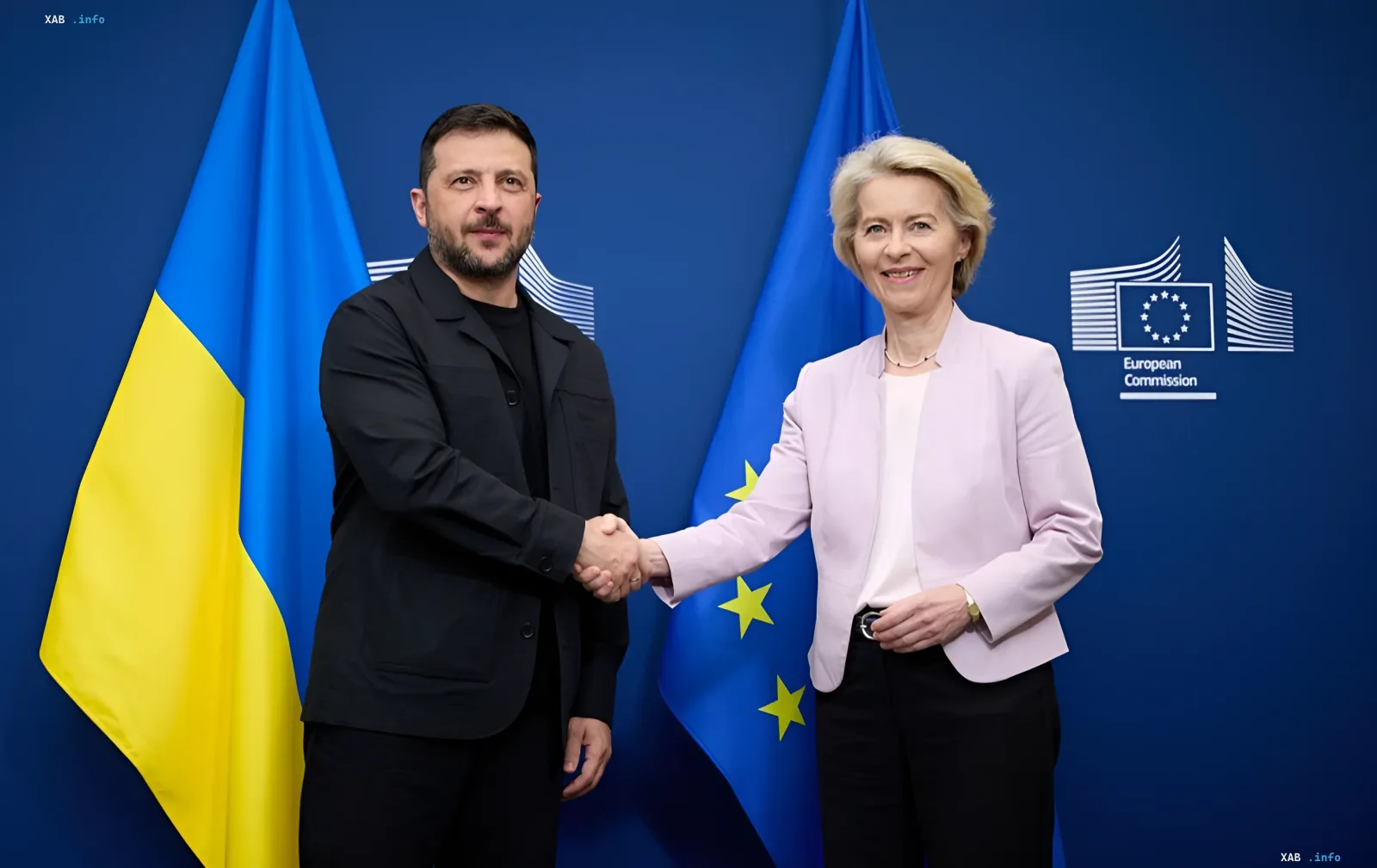
European Union member states have officially agreed to open the second and third negotiating clusters within the framework of Ukraine's full membership negotiations. This was announced by European diplomats and relevant ministers, confirming a qualitative shift in Kyiv's European integration as of October 2026.
Background and Lifting of Hungary's Veto
For a long time, Ukraine's European integration process faced diplomatic obstacles from Budapest. Hungary remained the only EU member state consistently blocking progress in key negotiation areas. However, the situation changed dramatically after the Ukrainian side fulfilled a number of fundamental requirements, in particular by adopting updated legislation on the educational rights of national minorities, which has already been signed by President Volodymyr Zelenskyy.Content of the Clusters to Be Opened
This involves the practical launch of Cluster 2, covering the "Internal Market," and Cluster 3, titled "Competitiveness and Inclusive Growth." These areas are fundamental for adapting the Ukrainian economy to the strict standards of the single European market, removing trade barriers, and harmonizing relevant legislation with European directives.Current Status of Negotiations and Next Steps
To date, Ukraine already has successful experience working on Cluster 1 ("Fundamentals") and Cluster 6 ("External Relations"). In total, the accession negotiation architecture consists of six comprehensive clusters. Experts and officials do not rule out that, against the backdrop of current momentum, the remaining negotiation areas could be unblocked and opened by the end of the current year.
Contradictory Data
Despite the general agreement and official confirmation from Irish and Ukrainian diplomatic sources regarding the achievement of a fundamental arrangement, certain discrepancies remain in the media space regarding the exact calendar dates for formal approval and the launch of procedures. While some authoritative sources and specialized media announce the finalization of decisions and the start of cluster operations as early as October 13, 2026, other analytical reviews indicate the need to complete additional bureaucratic procedures at the EU institutional level, which may slightly shift the schedule of official events.