Ukraine's process of integration into the European Union has received new momentum after Budapest decided to unblock negotiating positions on two additional crucial clusters. This step is the result of prolonged diplomatic efforts and compromises aimed at overcoming differences between Kyiv and Budapest regarding the protection of national minority rights.
A Step Toward European Unity
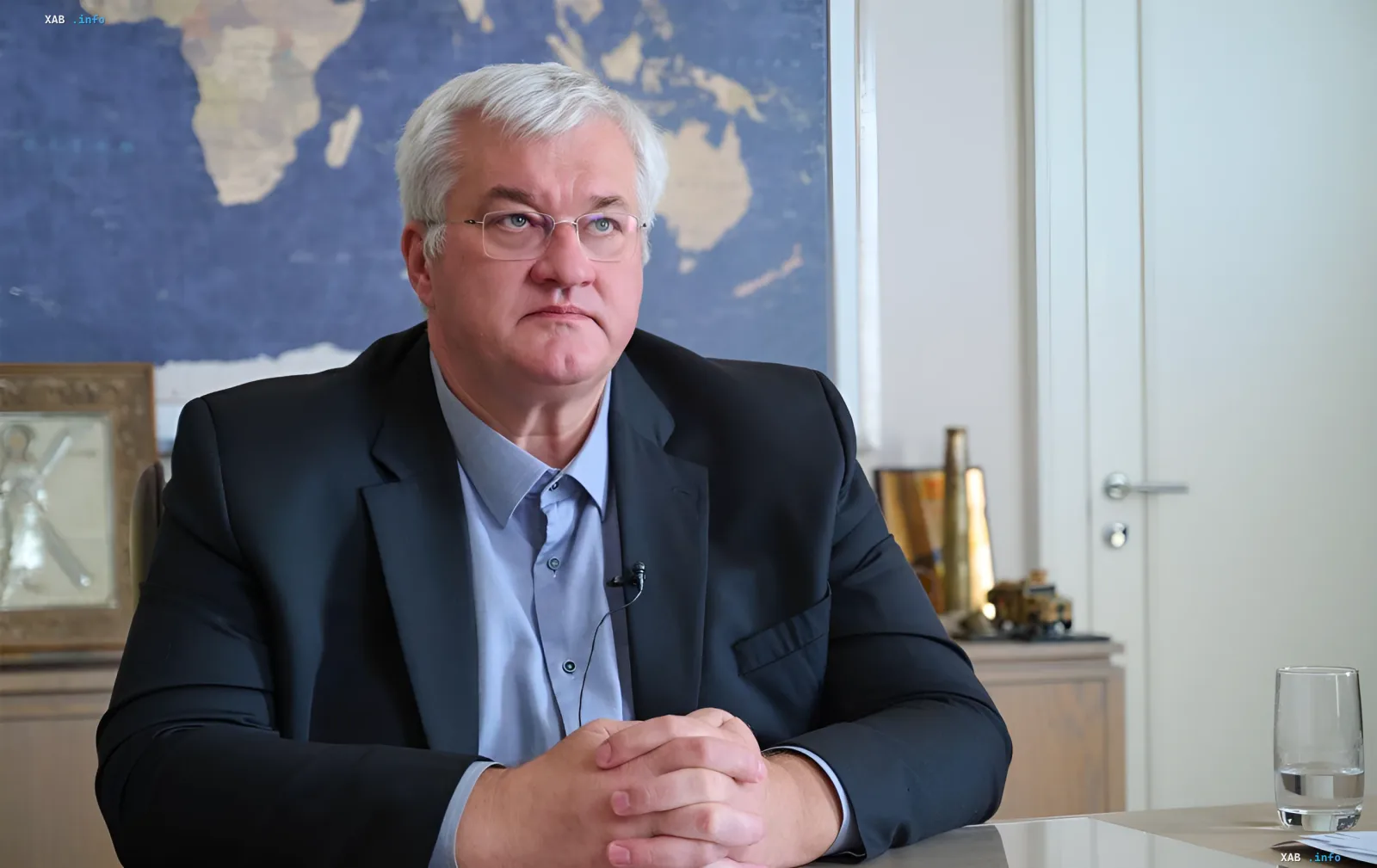
The official announcement regarding the lifting of the veto was made by Ukrainian Foreign Minister Andrii Sybiha on his X social media page. According to him, Ukraine and Hungary are demonstrating the ability to move toward each other for the sake of a shared European future. A key factor in shifting Hungary's position was the fulfillment by the Ukrainian side of a number of reciprocal commitments in the humanitarian and educational spheres.
Legislative Changes in the Verkhovna Rada
Ahead of the Hungarian decision, a bill aimed at comprehensively regulating the educational rights of national communities living in Ukraine was registered and swiftly approved by the relevant parliamentary committee. Specifically, the initiative introduces the official status of a "national minority school," directly addressing the key demands of the Hungarian side in exchange for dropping opposition to Kyiv's European integration ambitions.
The Role of the EU Committee of Permanent Representatives
The decision to lift the veto was officially formalized at the level of COREPER—the Committee of Permanent Representatives of the EU member states. Minister Andrii Sybiha expressed special gratitude to his Hungarian counterpart for constructive joint work, noting that the agreements reached fully serve the strategic interests of both friendly nations and a strong, united Europe as a whole.
Contradictory Data
While official sources confirm the unblocking of the negotiation clusters at the COREPER level following the fulfillment of educational conditions, international media have also circulated reports regarding parallel discussions surrounding financial aid packages and the timelines for lifting long-term vetoes. Some expert sources point to broader package agreements affecting not only negotiation clusters but also general EU financial support; however, the Ukrainian Foreign Ministry focuses specifically on practical steps within the accession negotiation process.