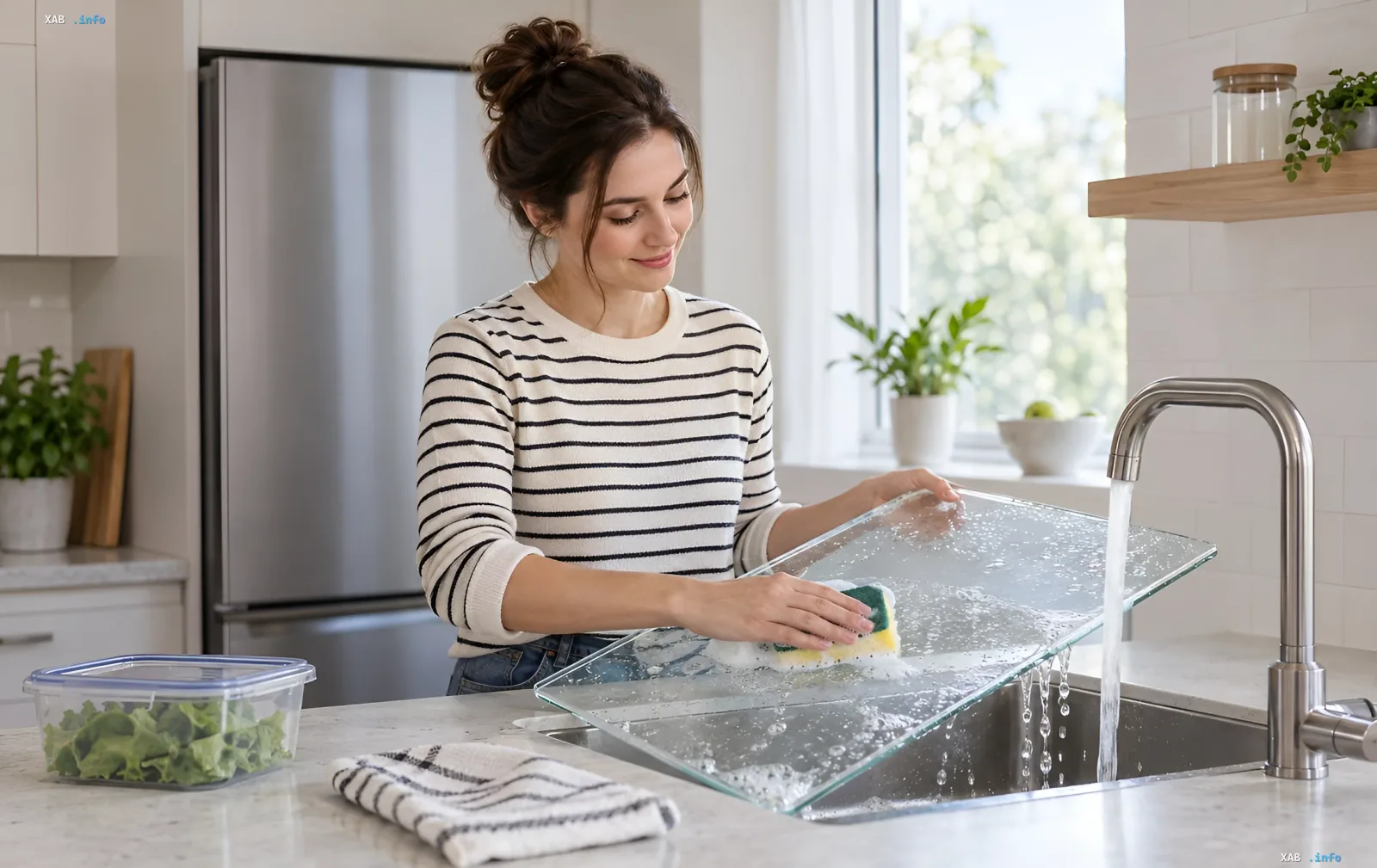
The issue of proper care for household items, accessories, and jewelry often seems mundane, but cleaning mistakes can ruin valuable items. Not only the water temperature matters, but also the temperature of the object itself. For instance, a cold glass refrigerator shelf or window glass can crack even from relatively warm water due to a sharp temperature drop.
Furniture, tableware, and optics manufacturers agree that there is no universal temperature for cleaning. For example, furniture maker Artek recommends avoiding hot water for lacquered wooden surfaces, advising the use of a cool soapy solution and a soft cloth. Meanwhile, glass manufacturer Saint-Gobain Glass and the brand Samsung warn that glass requires gradual heating and an extremely delicate approach.
Specifics of Caring for Plastic, Optics, and Brushes
The rules for cleaning plastic products and delicate accessories also have strict limitations. Tupperware warns that boiling water or overly hot water can deform plastic and compromise the airtightness of containers. They should be washed with warm water and a mild detergent. Similar recommendations are given by eyewear brand Warby Parker: high water temperatures are detrimental to special lens coatings.
Cosmetic brushes are equally sensitive to temperature regimes. Specialists at elf Cosmetics explain that hot water damages the bristles and weakens the glue holding them at the base. Such tools should be washed exclusively in lukewarm water, holding the brush bristles-down, and then dried horizontally.
Recommendations for LEGO Bricks and Jewelry
The popular LEGO constructor also has clear regulations: parts may be washed by hand in water no hotter than 40 degrees Celsius, avoiding dishwashers and hair dryers. Serious restrictions also apply to jewelry. The Gemological Institute of America (GIA) warns that strong heat is dangerous for pearls and opals, as it can cause cracks or color changes.
Contradictory Data
When it comes to cleaning delicate minerals and jewelry inserts, experts' opinions sometimes differ regarding the permissibility of using soapy water. While some experts allow short-term use of warm soapy water for strung pearls, others insist exclusively on dry wiping with a soft cloth to prevent damage to adhesive bonds and the structure of organic materials.