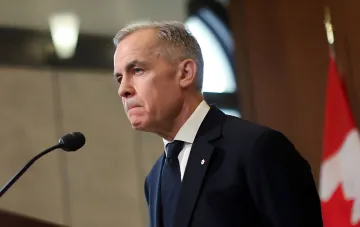
Canadian Prime Minister Mark Carney, speaking in Ottawa, officially confirmed that Canada intends to respond "in full" to the United States' imposition of 50% tariffs on Canadian goods. According to Carney, the measures adopted are aimed at protecting Canadian workers, farmers, families, and businesses that are bearing the brunt of the trade escalation. The retaliatory tariff restrictions, as announced, will take effect on September 8, 2026, which, in the assessment of observers, creates a window of more than two weeks for the possible resumption of negotiations between Washington and Ottawa.
A $25 billion support package
In addition to the tariff measures, Ottawa unveiled a large-scale package of economic guarantees for the domestic market. Carney reported that Canada has already prepared support programs for workers and businesses affected by the trade tensions, totaling almost 25 billion dollars. The Prime Minister also announced that additional support measures would be declared the following week. In parallel, the government is accelerating its strategy of diversifying export markets, seeking to reduce the structural dependence of the Canadian economy on the American consumer.
Washington's position: no negotiations planned
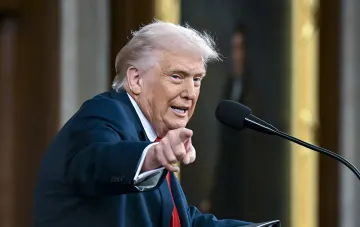
On the US side, Trade Representative Jamieson Greer stated that no new negotiations with Ottawa are currently planned. According to him, Washington will continue to take retaliatory measures in response to Canada's actions. This statement significantly narrows the space for a diplomatic resolution of the conflict and indicates that, in the short term, the likelihood of the trade tensions being maintained or even intensified remains high. US President Donald Trump reportedly publicly criticized Ottawa's decision, calling it "unacceptable."
Analytical context: why September 8
The setting of a specific date — September 8 — instead of the immediate imposition of tariffs is, in the view of experts, a deliberate diplomatic move. This time interval allows both sides to preserve the possibility of emergency consultations if one of them shows a willingness to make concessions. However, the tough rhetoric of Trade Representative Greer and Trump's public criticism indicate that, at the moment, the White House sees no grounds for softening its position. Thus, the scenario in which September 8 becomes the date of the actual start of a new round of the tariff war remains the most likely.
Contradictory data
The available sources show a slight discrepancy in emphasis: some publications (in particular, CypriInform) stress that the retaliatory measures are being introduced "after the breakdown of trade negotiations," implying the existence of a previously ongoing dialogue that was interrupted. At the same time, the statements of Carney and Greer place more emphasis on the unilateral actions of each side rather than on a formal "breakdown" of negotiations. Moreover, the exact list of goods subject to the 50% tariffs is not disclosed in the provided materials, leaving room for various interpretations of the scale of the affected economic sectors.
Outlook and risks
For the Canadian economy, where the share of exports to the US traditionally accounts for a significant portion of GDP, the continuation of the tariff escalation means pressure on key industries — from the automotive sector to agriculture. The diversification strategy announced by Carney requires time and investment, and therefore, in the coming months, Canadian businesses will have to operate under conditions of heightened uncertainty. For the American consumer, in turn, the potential increase in prices for Canadian goods may intensify inflationary pressure in an already strained market.