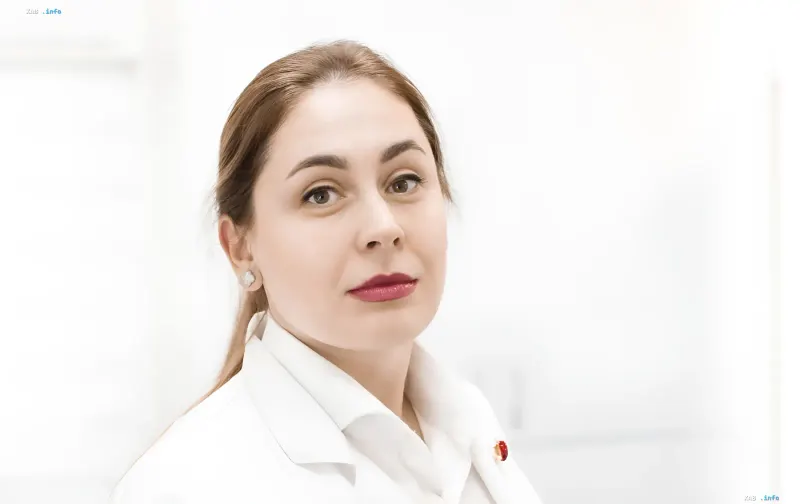
Cardiovascular diseases are insidious because they often develop over years without obvious symptoms. In a blitz interview for Wave RBC.UA, cardiologist Darya Korchagina explained which indicators patients most often underestimate, whether modern gadgets and artificial intelligence can help detect rhythm disturbances in time, and when one should start thinking about prevention. Below are the key points of the conversation, important for those who want to maintain heart health and activity for many years.
Cholesterol: the invisible factor most often ignored
According to Korchagina, cholesterol remains one of the most underestimated factors of cardiovascular risk. Unlike spikes in blood pressure or pulse, high cholesterol can go without symptoms for years. This is why some patients stop treating dyslipidemia on their own — simply because they don't feel any difference. The doctor emphasizes: the absence of symptoms does not mean the absence of risk, and this is the main trap patients fall into.
Asymptomatic hypertension: why "feeling well" is deceptive
With age, blood vessels become more rigid, contributing to a gradual increase in blood pressure. A person can adapt to high readings and experience no discomfort for years. Nevertheless, uncontrolled hypertension, regardless of well-being, remains one of the leading risk factors for stroke and heart attack. Korchagina recommends regularly monitoring blood pressure even in the complete absence of complaints.
Comprehensive approach: weight, diet, and physical activity
It is impossible to single out one "main" factor: diet, physical activity, and body weight are independent but modifiable risk factors that a person can influence directly. For this reason, according to the cardiologist, a comprehensive approach works: a conscious choice of diet, sufficient physical activity, and weight control in combination, rather than in isolation.
Smartwatches and AI: assistants, not a replacement for a doctor
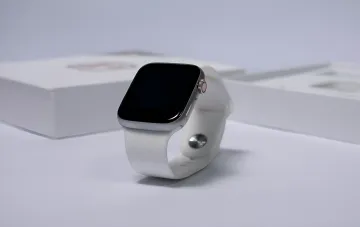
Historically, an ECG lasted only a few minutes, so rare rhythm disturbances went unnoticed; later, the 24-hour Holter ECG appeared, but it does not always fix arrhythmia occurring once every few months. Smartwatches, such as Apple Watch, can record a 30-second ECG and capture an episode of rhythm disturbance at the moment it occurs, acting as an additional assistant. At the same time, the doctor clearly outlines the limitations: gadgets do not replace a full examination and are not intended for diagnosing all heart diseases, including ischemia or heart attack. Artificial intelligence, according to her, is developing rapidly in cardiology — analyzing large volumes of data, finding patterns, assessing risks, and supporting clinical decisions — but remains an assistant, not a replacement for a doctor.
Mental health and prevention: when to start
Korchagina draws attention to an underestimated factor — mental health. In 2025, recommendations were published for the first time emphasizing that mental health is an integral part of physical health: anxiety and depression cannot be dismissed as a "weak character"; patients should be tested and, if necessary, referred for psychotherapy, drug therapy, or a combination thereof. As for prevention, the doctor advises not to wait for a certain age or symptoms: with a family history of early heart attacks and strokes, a sedentary lifestyle, smoking, or excess weight, one should consult a family doctor or cardiologist. The "Screening 40+" program from the National Health Service of Ukraine (NHSU) allows assessing cardiovascular risk even in the absence of complaints and starting prevention in time.