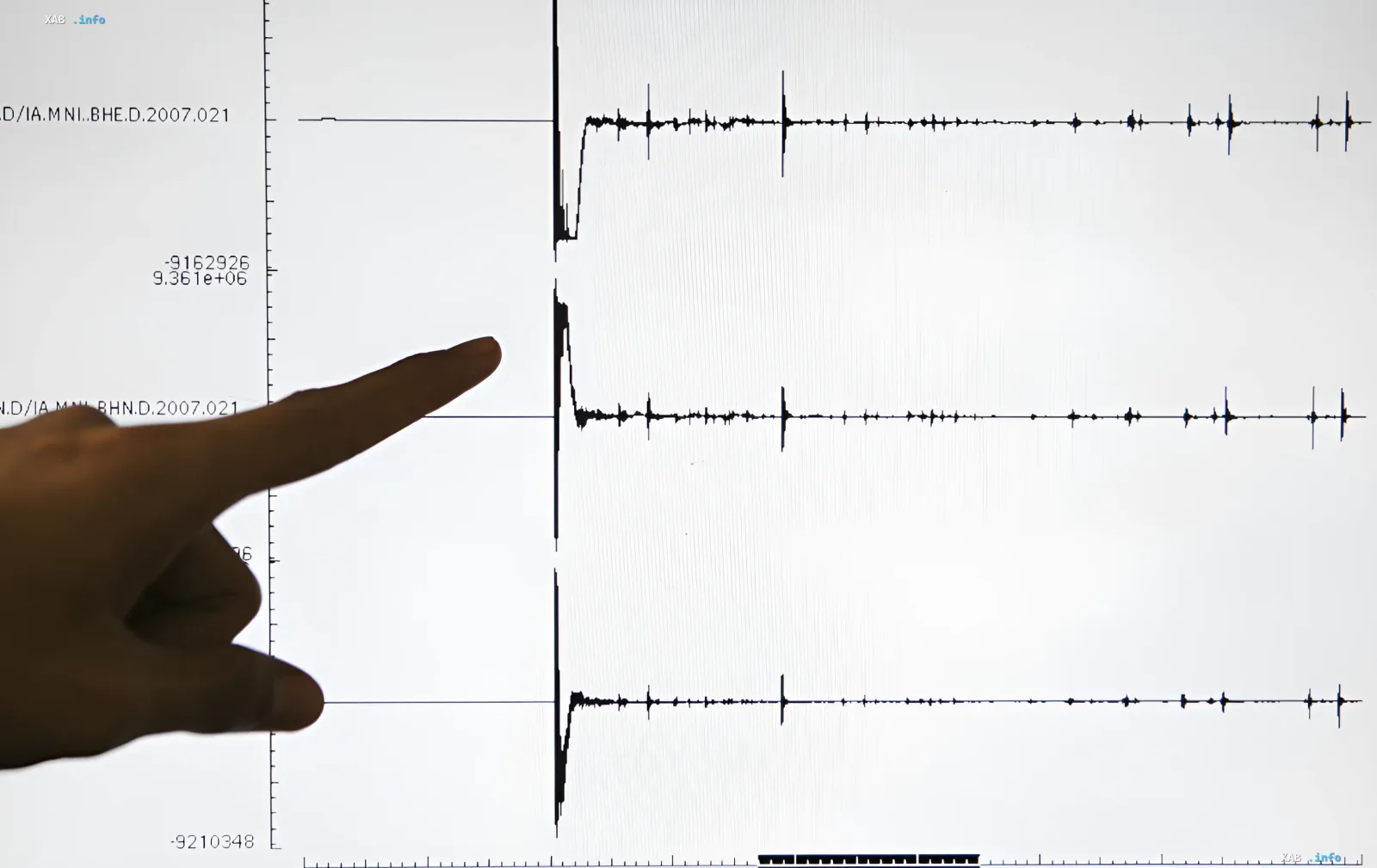
On August 10, 2026, a powerful 7.4-magnitude earthquake struck the Pacific coast of Colombia, becoming one of the most tragic natural disasters in the country's history in the last decade. The epicenter of the tremors, recorded by seismologists around 07:30 local time, was located near the city of San José del Palmar in the Chocó department. The force of the underground shocks was so great that ground vibrations were recorded not only in remote regions of Colombia but also in neighboring countries — Venezuela, Panama, and Ecuador.
Scale of Destruction and Casualties
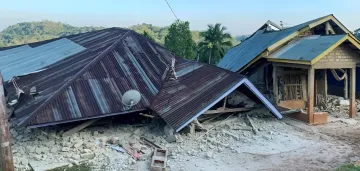
The consequences of the natural disaster were catastrophic. According to the latest data from Reuters, the death toll has reached at least 111 people. This figure continues to rise as rescue teams clear debris in the most affected settlements. Significant damage has been recorded in Quibdó — the capital of the Chocó department, as well as in the city of Pereira (Risaralda department). In Pereira, part of the roof of the Matecaña International Airport passenger terminal collapsed, killing three people under the rubble. In the cities of Cali and Manizales, the facades of numerous buildings were torn off, and in Manizales, one of the towers of the local cathedral was damaged.
Contradictory Data on Casualties
In the first hours after the catastrophe, information about the number of dead was extremely fragmented and changed rapidly. Initially, local media, in particular the Noticias Caracol TV channel, reported 21 deaths. However, as rescuers arrived in remote areas and authorities refined the data, the figure rose rapidly. AFP, citing local authorities, reported 69 dead by midday. By the evening of August 10, according to a Reuters report, the number of victims exceeded a hundred, reaching 111. Experts note that final statistics can only be released after a full assessment of the situation in the inaccessible areas of the Chocó department.
Reaction of the International Community
The tragedy was quickly reacted to in Washington. US Secretary of State Mark Rubio expressed his condolences on social media and offered Colombia assistance in the aftermath. He emphasized that the administration of President Donald Trump is closely monitoring the situation and is ready to provide the necessary resources for rescue operations. Local authorities in Colombia have announced an assessment of the scale of damage and promise to present the first official report on the state of infrastructure and the needs of the affected regions in the near future.
Context of Seismic Activity in 2026
The earthquake in Colombia occurred against the backdrop of increased seismic activity worldwide in the first half of 2026. In late July and early August, in Italy, in the resort area of Pozzuoli near Naples, there was the strongest earthquake in 40 years with a magnitude of 4.7, which claimed dozens of lives. Earlier this year, Japan recorded one of the most powerful earthquakes in the history of observations. However, the most destructive event in recent times remains the earthquake in Venezuela on June 24, 2026. At that time, the country was shaken by two powerful shocks of magnitude 7.2 and 7.5 with a difference of less than a minute. On that day, the country was celebrating a state holiday — Army Day, so many were at home. The number of deaths in Venezuela rose from the initial 1,700 to more than 5,300, more than 15,000 people lost their homes, and almost 2 million buildings were damaged.