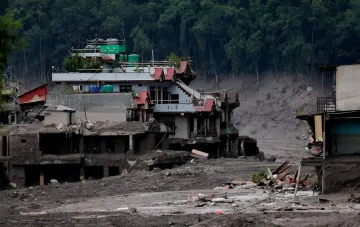
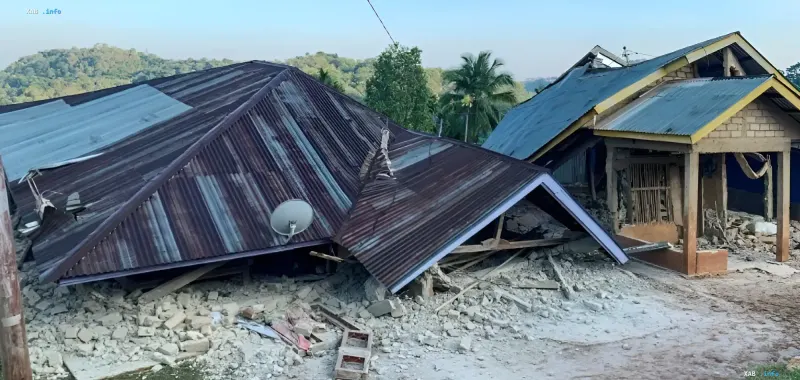
On August 15, 2026, Indonesia was shaken by a powerful natural disaster. Off the northern coast of Flores Island, in the East Nusa Tenggara province, a devastating earthquake with a magnitude of 7.7 struck. The epicenter was dangerously close to populated areas, leading to widespread infrastructure destruction and casualties. Rescue teams are already conducting urgent operations to search for people who may be trapped under the rubble of collapsed buildings.
Scale of Destruction and Rescue Operation
The aftermath of the earthquake proved catastrophic for local communities. Dozens of homes and public buildings were damaged or completely destroyed. Photos from the scene show collapsed roofs and piles of rubble under which people may be trapped. Suharyanto, head of Indonesia's National Disaster Management Agency (BNPB), confirmed that rescue operations are in an active phase. Teams are focused on extracting victims from damaged structures, although access to some areas is difficult.
Two helicopters and an airplane have been deployed to assist in hard-to-reach areas. Aviation is necessary to deliver personnel and equipment to isolated zones where ground transport cannot penetrate. However, rescue operations are actively hindered by landslides that have blocked several key roads. This creates a serious threat to the speed of response and increases the risk for those who may remain under the rubble.
Evacuation and Panic Among the Population
Country authorities have warned that the death toll may continue to rise as rescue teams arrive in affected areas and begin a thorough inspection of collapsed structures. Approximately 2,000 people have already been evacuated from dangerous zones. In the city of Ruteng, located more than 100 km from the epicenter, residents are still struggling to recover from the strong tremors.
Witnesses describe the chaos that ensued at the moment of impact. A local resident, approximately 40 years old, recounted that the earthquake caused household items to fall from shelves, and the entire family immediately ran outside. According to eyewitnesses, the ground shook violently for a short time, causing panic. Many people, fearing aftershocks that could collapse already damaged buildings, have set up temporary tents and continue to stay in open spaces.
Historical Context and Aftershocks
Indonesia, located on the so-called "Ring of Fire," regularly faces seismic activity. On the same day, August 15, another earthquake with a magnitude of 6.9 occurred near Pematangsiantar on the island of Sumatra, although no significant casualties or destruction were reported in that region.
The history of Flores Island holds memories of past tragic events. In 1992, a 7.7 magnitude earthquake occurred here, triggering a tsunami and claiming the lives of approximately 2,500 people. In 2004, a 9.1 magnitude earthquake off the coast of Sumatra triggered a catastrophic tsunami, resulting in the deaths of about 220,000 people across the region. In light of recent events, Indonesian authorities continue to assess the scale of damage, deploy rescue forces, and assist in evacuating residents.
Contradictory Data
At present, there are discrepancies in the assessment of the number of injured and deceased. While local authorities (BNPB) report dozens of damaged homes and ongoing searches for people under the rubble, indicating that the exact number of victims will be known later, some preliminary reports in regional media cite figures of hundreds of injured. The difference in data is due to the difficulty of accessing remote areas due to landslides and road destruction, which hampers operational counting and verification of information in the first hours after the disaster.
Currently, search and rescue teams are racing against time to find those who may still be alive under the rubble, while residents are advised to remain vigilant regarding possible aftershocks and strictly follow official instructions.