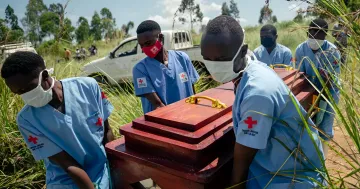
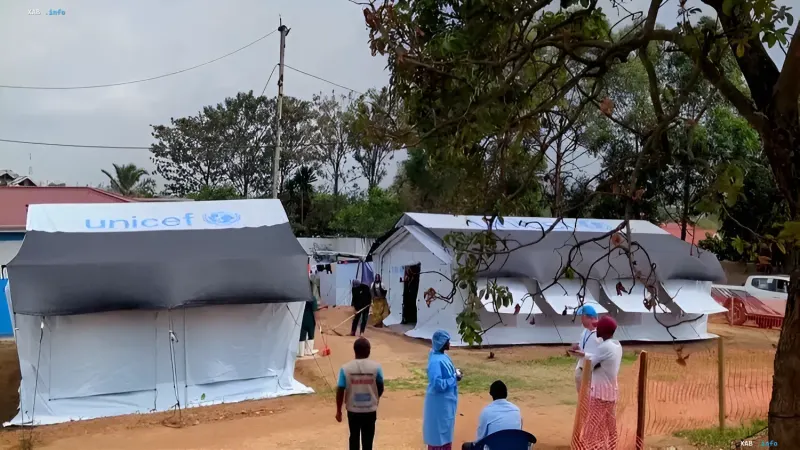
The situation in East Africa has reached a critical point. Since the outbreak of the Ebola epidemic began on May 15, caused by the Bundibugyo strain, 2,184 people have already died. This figure represents nearly 47% of the total number of registered cases, indicating extremely high mortality and the ineffectiveness of current containment measures in several hotspots. The epidemic has not been confined to the borders of a single country: it has spread to 6 of the 26 provinces of the Democratic Republic of Congo (DRC) and crossed the border, where 20 cases of infection have already been confirmed in neighboring Uganda.
Emergency Financing and Humanitarian Response
Given the alarming nature of the developments, the United Nations has decided to significantly strengthen support. Under the Central Emergency Response Fund (CERF), an additional $30.5 million has been allocated. These funds are intended to supplement the $24 million previously allocated to the DRC and neighboring countries. The total amount of emergency aid now exceeds $54 million, which should allow for the deployment of new mobile clinics, strengthened logistics, and protection for medical personnel.
"Serious Warning Signal" from UN Leadership
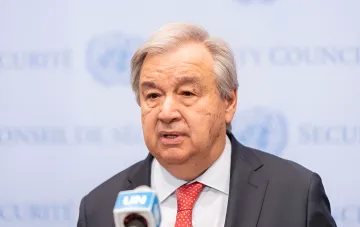
Tom Fletcher, the UN Under-Secretary-General for Humanitarian Affairs, described the current situation as a "serious warning signal" in his statement. He emphasized that the speed of the virus's spread and the high mortality rate require immediate, large-scale action and unprecedented international solidarity. According to him, every hour of delay in organizing logistics and vaccination could cost dozens of lives, especially in hard-to-reach regions of the Congo.
Difficulties in Controlling the Spread
The Bundibugyo strain, which caused the current outbreak, is known for its high infectivity and the complexity of diagnosis in the early stages. The spread to 6 provinces of the DRC indicates that traditional quarantine methods and public education are failing to cope with the scale of the threat. The virus's spread into Uganda creates risks for cross-border transmission, requiring coordination between the governments of the two countries and international medical missions.