The electric vehicle industry is experiencing a paradoxical moment: those who build the cars are facing declining margins, while component suppliers are demonstrating explosive growth. The fresh Fortune Global 500 ranking for 2026, published on July 29, vividly captured this imbalance. Ten Chinese companies from the automotive and auto parts sector made the list, and the leadership was seized not by an assembly plant, but by a battery manufacturer.
The CATL Phenomenon: Profitability vs. the Industry
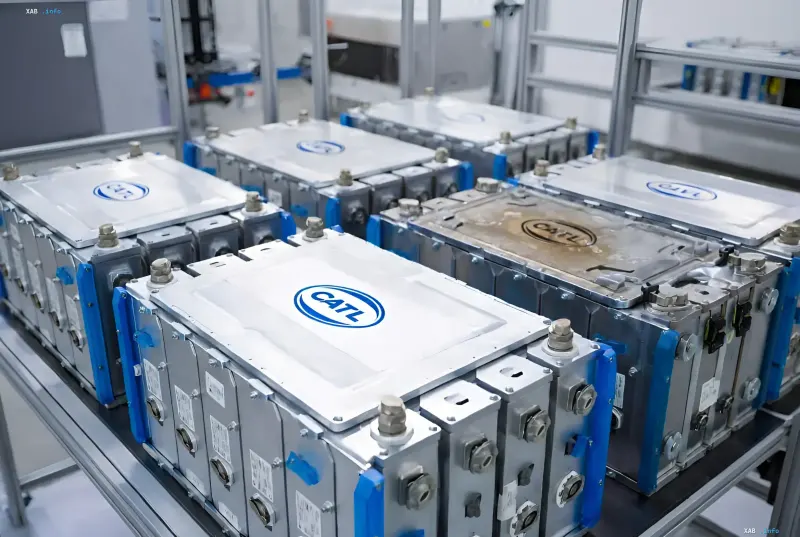
CATL, specializing in battery production, topped the list with figures that look almost fantastical against the backdrop of its competitors. CATL's profitability reached 17%. For comparison, the average profitability of the eight automakers included in the same ranking was more than 11 times lower.
The company's financial dominance is confirmed by absolute numbers as well. CATL's net profit in 2025 reached $10 billion. This amount is equivalent to the combined net profit of the four largest automakers simultaneously: BYD, Chery, FAW, and SAIC. In other words, one battery supplier earned as much as four giants of the automotive market combined.
Market Bipolarity: Growth for Some, Pressure for Others
The dynamics of the first half of 2026 only intensified the contrast. While CATL's revenue and profit continued to grow, many automakers faced serious operational pressure. The total profit of the domestic automotive industry for this period fell by 20% compared to the same period last year. The profitability of the automotive sector turned out to be lower than the average in related industries, signaling high competition and margin compression at the assembly stage.
Assembly Leaders and New Players
Among car manufacturers, the ranking also revealed interesting leaders. In the segment of automakers by profitability level, Chery leads with a figure of 6.3%. It is followed by BYD with a profitability of 4.1%.
Chery marked a historic event: this year, the company entered the Fortune Global 500 list for the first time as an independent public company with shares listed on the stock exchange.
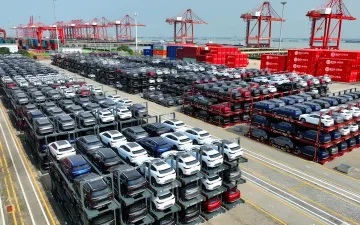
Meanwhile, BYD is demonstrating powerful expansion in foreign markets. The company's foreign revenue accounted for nearly 40% of the total volume, and sales of new energy vehicles topped global rankings.
Structure of the Chinese Auto Industry in the Top 500
The final list of ten Chinese companies included:
- Eight automakers, including giants like BYD and SAIC.
- Two auto parts manufacturing companies, among which CATL became the undisputed leader.
These data highlight a paradigm shift in the value chain: key profits in the era of electric vehicles are shifting from body assembly to the production of high-tech components, primarily battery packs.