"Medicine of wartime": Ceuta on the verge of an epidemiological catastrophe
The Spanish enclave of Ceuta, located on the North African coast, is experiencing an unprecedented crisis. As of August 14, 2026, the city with a population of only 84,000 people is on the verge of a complete sanitary collapse. The situation became critical two weeks after a massive breach of the border, when tens of thousands of migrants stormed into the city. Ceuta's only major hospital — the University Clinic — is forced to operate in "wartime medicine" mode, receiving up to 900 emergency patients per day.
Spanish medical authorities have officially confirmed outbreaks of dangerous infectious diseases. In the absence of clean water and sewage systems in makeshift camps, cases of tuberculosis, measles, scabies, and severe infectious diarrhea have been recorded. Enrique Roviralta, President of the Official College of Physicians of Ceuta, described the current situation as a "ticking time bomb," warning of a high risk of a cholera epidemic.
Social explosion: beaches turned into dumps, residents afraid to go outside
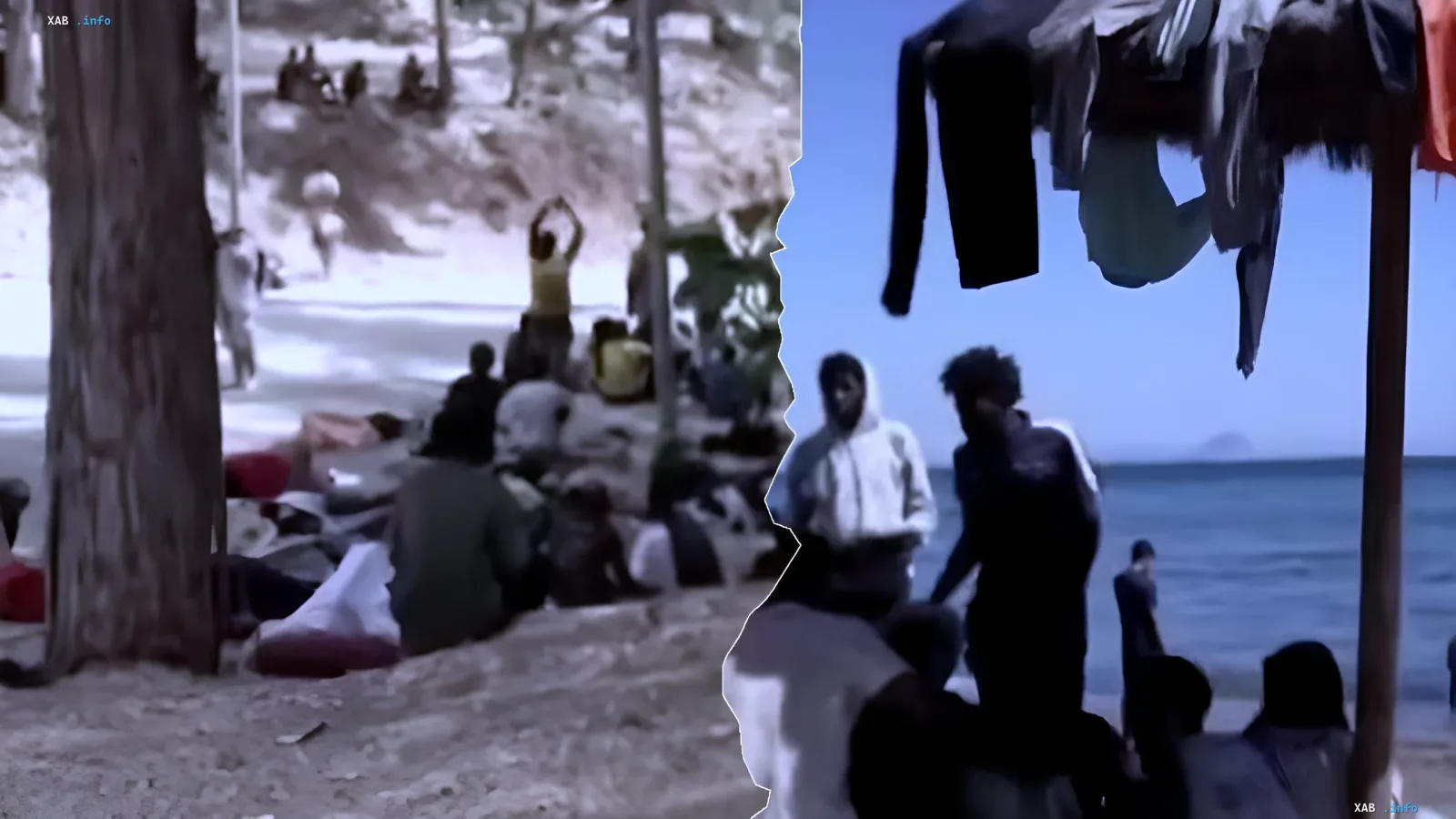
The humanitarian catastrophe in Ceuta has a sharp social aspect. Resort beaches, including the famous Trampolín, are blocked by crowds of people and piled with garbage. According to local residents, coastal areas have turned into open-air toilets, making them unusable. The local population is expressing mass dissatisfaction, fearing to let children out on the street in conditions where unorganized groups of migrants roam the city.
Police confirmed that in the first days of the crisis, cases of looting and car arsons were recorded. Tensions in the city have reached a peak: residents are taking to the streets to protest, demanding an immediate solution from the authorities, as access to infrastructure and leisure is completely blocked.
Contradictory data
One of the main problems in assessing the scale of the catastrophe remains the lack of unified statistics on the number of people remaining in the city. According to official data, joint efforts by Madrid and Rabat managed to deport about 69,500 people out of the 80,000 who broke through back to Morocco. However, estimates of the number of migrants remaining in Ceuta vary.
The city mayor, Juan Jesús Vivas, gives fluctuating estimates: from 3,000 to 10,000 people. This uncertainty makes it difficult to plan measures for housing people and providing them with basic needs. While authorities claim to have control over the situation, the reality on the streets of the city, where migrants live in industrial zones and on the embankments, speaks of a complete lack of infrastructure for such a number of people.
Geopolitical shock: Italy and Austria close borders, army prepares for defense
The crisis in Ceuta has gone far beyond a local problem and has become a blow to the stability of the entire European Union. The Spanish government has come under severe criticism from 22 EU countries, accusing Madrid of creating a "magnet" for migrants due to recent liberal migration reforms. In response to the threat of the spread of infections and illegal migration, Italy and Austria have introduced strict border controls for all flights arriving from Spain.
The situation is exacerbated in the run-up to the weekend. Coordinated calls for a new mass assault on the border, scheduled for August 15, 2026, are spreading on social media in Morocco. In connection with this threat, the Ministry of Defense and the Ministry of the Interior of Spain urgently transferred reinforcements to the enclave: 2,000 soldiers and 300 police officers. The city is frozen in anticipation, wondering if the state is capable of protecting its borders from a repeat influx.