
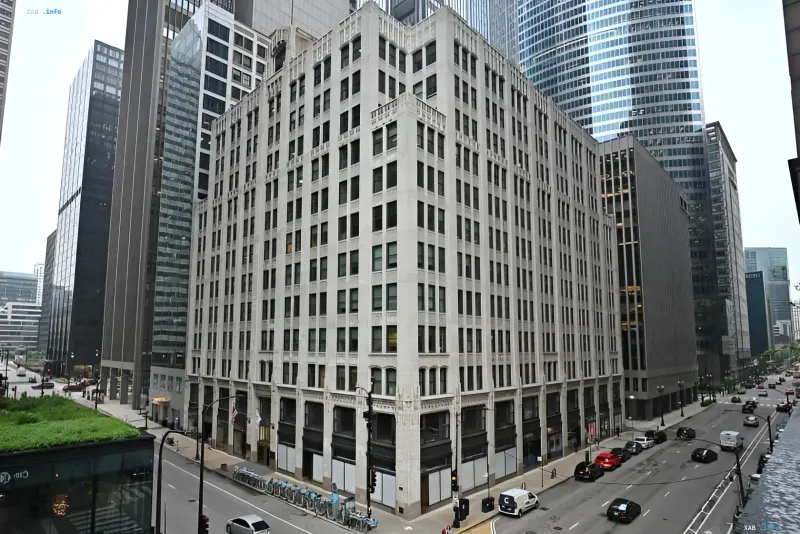
Chicago is undergoing a large-scale transformation of its urban landscape, threatening the historic appearance of one of its oldest districts. On August 6, 2026, the Chicago Landmarks Commission (LCPC) Permit Review Committee issued a preliminary decision in favor of a project to convert a 12-story historic building constructed in 1927. According to investor Igor Gabala's plan, floors 2 through 6 will be completely repurposed for data center needs, marking one of the most ambitious projects to adapt historic heritage for modern technological requirements.
Technical details and infrastructure challenges
The project entails not only internal reconstruction but also significant changes to the building's engineering infrastructure. A new ComEd electrical node—the region's leading energy provider—is planned for installation on the first floor. This is necessary to ensure the uninterrupted operation of servers, which require colossal power. Additionally, 10 backup generators will be installed on the building's roof. The investor states that the node's capacity will not exceed 50 MW; however, the building's marketing materials cite a figure of 20.4 MW. Experts note that available documents do not allow for a definitive conclusion on whether these figures refer to the same metric, creating grounds for further debate.
Contradictory data
During the hearings, serious disagreements arose regarding technical documentation and declared capacities. On one hand, investor Igor Gabala insists that the electrical node's capacity will not exceed 50 MW, which aligns with modern standards for data centers of this scale. On the other hand, the building's marketing materials indicate a capacity of 20.4 MW, which is significantly lower than the stated figure. Available documents do not allow it to be established whether these figures refer to the same metric. This discrepancy raises questions among experts and defenders of historic architecture, who fear that the actual load on the building may be significantly higher than declared.
Fight to preserve the historic appearance
The conversion has already sparked sharp objections from defenders of historic architecture. Ward Miller, Executive Director of Preservation Chicago, called the project a "dangerous precedent" that could lead to the destruction of Chicago's unique architectural heritage. Commission staff recommended approving the project with modifications, including a requirement to place data center equipment no closer than 3 feet (1 meter) from historic windows. This requirement aims to minimize damage to the building's facade, which is part of the city's cultural heritage.
Economic viability and the future of the office market
The project initiator asserts that demand for Class C office space is virtually non-existent, making conversion into a data center an economically viable step. If the project receives final approval, existing office tenants will be relocated to the upper floors of the building. This solution will allow for the preservation of part of the building's historic appearance while ensuring its economic viability. However, even approval from the Landmarks Commission will not replace the other approvals necessary for the construction and connection of the data center.