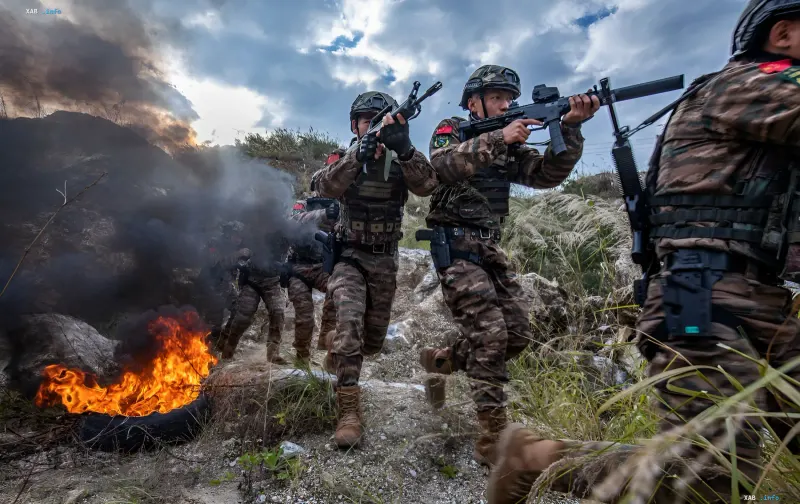
China has cardinally revised its national legislation in the field of mobilization for the first time since 2010, significantly expanding the powers of state structures. The new edition of the document provides the authorities with broad levers to transfer the country's entire economy and infrastructure from peacetime to military tracks in the event of a large-scale armed conflict.
The essence of innovations and property expropriation
The adopted amendments empower the government with the right to forcibly seize property belonging to both private individuals and commercial companies to meet the needs of the active army. Moreover, the new requirements of the law also apply to foreign businesses operating within the PRC: foreign enterprises may be required to produce state-designated products in emergency situations.
Integration of high technologies and reserves
In addition to material assets, the law prescribes the active involvement of advanced economic sectors in the defense contour, including artificial intelligence, unmanned systems, and quantum technologies. State departments, together with the private sector, are obliged to form strategic reserves of rare earth metals and critical materials, as well as keep detailed records of all technological capabilities of the country.
Regional escalation and Taiwan's reaction
A large-scale legal reform is taking place against the background of ongoing military tension in the Taiwan Strait, where Chinese armed forces regularly conduct demonstrative maneuvers. In response to growing risks, Taiwan is consistently building up its defense budget, which in 2026 amounted to 3.32% of GDP with a plan for further increase for 2027, while simultaneously facing delays in the supply of American weapons.
Contradictory data
In the expert community and Western analytical circles, there are various assessments of the timing and probability of a direct forceful scenario. While advisers to the US administration openly declare the risks of a possible Chinese attack on Taiwan within the next five years, which could paralyze the global semiconductor market, official Beijing insists exclusively on the defensive nature of the measures taken and the need to protect its sovereignty within the framework of existing laws.