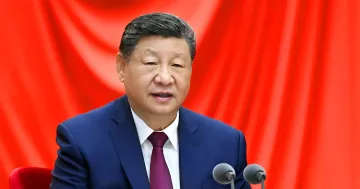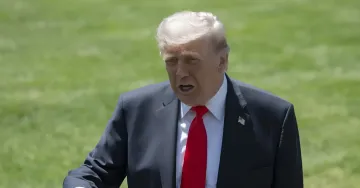
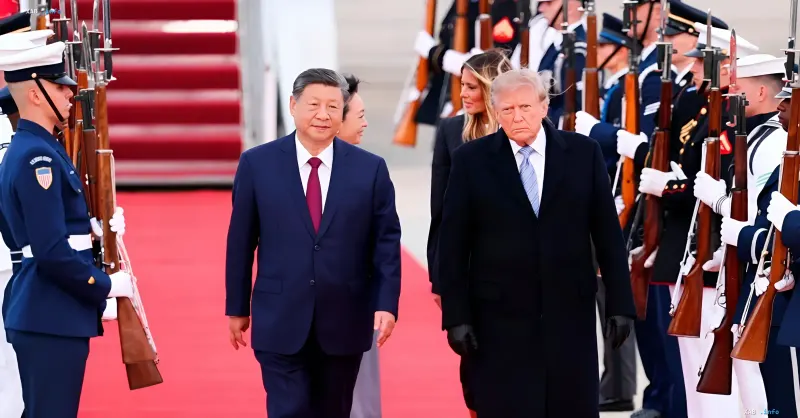
As part of a series of major bilateral agreements reached following Chinese President Xi Jinping’s state visit to the United States, China has officially agreed to import at least 20 million tons of American coal. According to the terms, the procurement will be split evenly: at least 10 million tons of coal will be exported by the US in 2027, and another 10 million tons in 2028.
Trade Mechanisms and Tariff Preferences
This commitment was secured under the US-China Trade Council, a mechanism established during the May 2026 summit and operationalized during this visit. In addition to the coal deal, Washington and Beijing reached a consensus on recommendations for more favorable tariff rates on non-sensitive goods. The volume of this bilateral trade is estimated at approximately $30 billion in each direction. The agreement covers a wide range of products: the US exports agricultural goods, fish, seafood, timber, cosmetics, and medical equipment to China, while Chinese exports include consumer goods, small appliances, toys, and child safety seats.
Energy Policy and Critical Minerals
The coal purchase agreement is closely tied to the Trump administration’s policy of supporting the domestic coal industry amid rising electricity demand driven by data centers and technological infrastructure. President Donald Trump also urged President Xi Jinping to increase the production of refined petroleum products to help stabilize global energy supplies. Simultaneously, the parties established a working group on agricultural market barriers and officially founded the US-China Investment Council to discuss investment opportunities and obstacles, while discussions regarding rare earth elements and critical minerals continue.
Contradictory Data
Despite detailed official statements released by the White House on the evening of September 25, Beijing’s coverage of the summit's outcomes contains notable discrepancies. While China publicly announced the established trade mechanisms and tariff arrangements for non-sensitive goods, official Chinese readouts made no specific mention of the commitment to purchase American coal. Experts note this reflects differing domestic messaging priorities while both nations maintain a shared commitment to a trade truce.
Prospects for Bilateral Relations
The new agreements demonstrate a mutual desire to maintain economic stability and reduce the risk of renewed tariff tensions. Although highly sensitive issues such as advanced technology, artificial intelligence, and export controls remain on the bilateral agenda, establishing regular dialogue channels allows Washington and Beijing to find pragmatic compromises in the commodity and trade sectors.