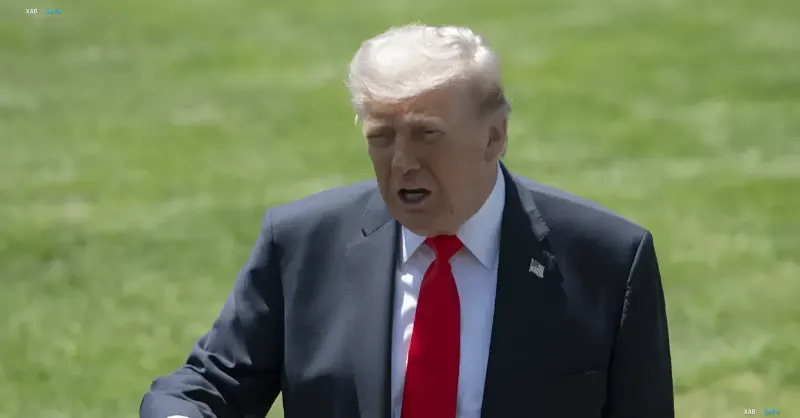
U.S. President Donald Trump made a harsh statement regarding Seoul during a recent White House press briefing, demanding that South Korea confirm its participation in a large-scale liquefied natural gas (LNG) project in Alaska. The American leader made it clear that if South Korean partners refuse or delay the process, Washington will take retaliatory economic measures. This demand came amid discussions on the implementation of bilateral investment agreements previously concluded as part of the trade dialogue between the two nations.
Background and Details of Trade Agreements
The tension arose just days after Washington and Seoul announced a massive investment package in the U.S. energy sector, estimated by experts at billions of dollars. This package includes not only the Alaska LNG project but also the construction of a gas-fired power plant in Texas and the financing of eight major nuclear facilities. In exchange for these commitments, the U.S. administration previously agreed to make trade concessions, specifically reducing tariffs on imports from South Korea from 25% to 15%, highlighting the high degree of interdependence between the two economies.
Contradictory Data
The investment situation is complicated by direct contradictions in statements made by U.S. and South Korean officials. On September 30, U.S. Commerce Secretary Howard Lutnick publicly stated that South Korea was guaranteed to invest over $50 billion in the Alaska project. However, the South Korean government immediately denied this information, emphasizing that no final decision had been made and any investment would require a thorough preliminary assessment of economic feasibility. Meanwhile, Donald Trump threatened that if Seoul does not sign the agreement soon, he will "double the fee," which analysts interpret as a potential review of trade tariffs and a return to elevated rates.
Economic Significance of the Alaska LNG Project
The large-scale Alaska LNG project involves the construction of complex transport and processing infrastructure, including a pipeline stretching nearly 1,300 kilometers from the North Slope of Alaska to its southern shores. At the final stage, gas is to be cooled into a liquefied state for subsequent export to Asia-Pacific markets. To implement such a capital-intensive initiative, the U.S. is actively engaging foreign strategic partners, counting on the financial strength of Asian allies.
Consequences and Expert Assessments
Experts note that Washington's tough rhetoric creates serious diplomatic and economic challenges for Seoul, which is forced to balance between fulfilling alliance commitments to the U.S. and protecting its own national economic interests. A potential review of trade preferences and a return to rigid barrier tariffs could strike a blow at key sectors of South Korean exports, making the current situation a subject of intense scrutiny by international markets and political analysts.