South Korea and the United States continue to systematically strengthen their bilateral alliance, expanding coordination both in military security on the Korean Peninsula and through large-scale economic projects. This partnership covers key strategic areas, demonstrating a high level of trust and allied commitments between Seoul and Washington in the current reality.
New Defense Minister's Visit and Military Cooperation
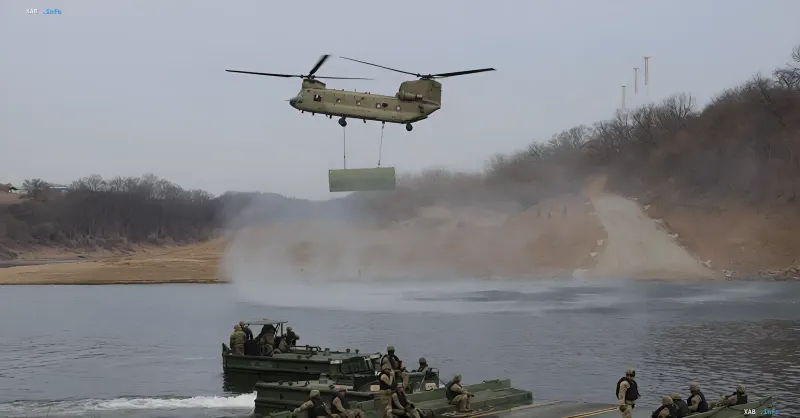
In the defense sector on October 2, 2026, South Korea's new Minister of Defense, Kang Shin-chul, made his first official visit to the US Forces Korea (USFK) military base after taking office. During a meeting with USFK Commander General Xavier Brunson at Camp Humphreys in Pyeongtaek, the sides reaffirmed their unwavering commitment to maintaining a strong combined defense posture.
General Kang emphasized the need to maintain a high level of combat readiness amid the ongoing complex security situation on the Korean Peninsula. The officials also discussed the transfer of wartime operational control and matters related to monitoring the Demilitarized Zone following a recent landmine explosion incident.
Economic Initiatives and Billion-Dollar Investments
In parallel with strengthening the military sphere, the sides are actively developing their economic partnership. On October 2, 2026, an $8.4 billion South Korean enhanced oil recovery project was announced. This is part of the first investment package under the bilateral trade agreement signed by the two countries last year.
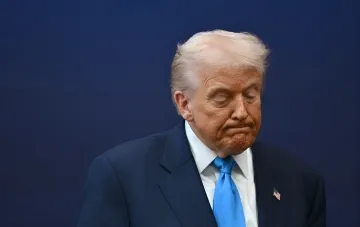
According to the US side, the package includes the construction of a natural gas-fired power plant in Texas and eight large nuclear power plants. These steps are part of Seoul's sweeping investment commitments totaling $350 billion in exchange for lower US tariffs on South Korean goods.
Contradictory Data
Despite official statements from Washington regarding large-scale investments and future energy projects, independent experts and international economic observers note a deficit of detailed technical and financial documentation for several of the announced facilities. In particular, questions remain open regarding implementation timelines and exact parameters for the construction of the nuclear power plants mentioned within the investment agreement.