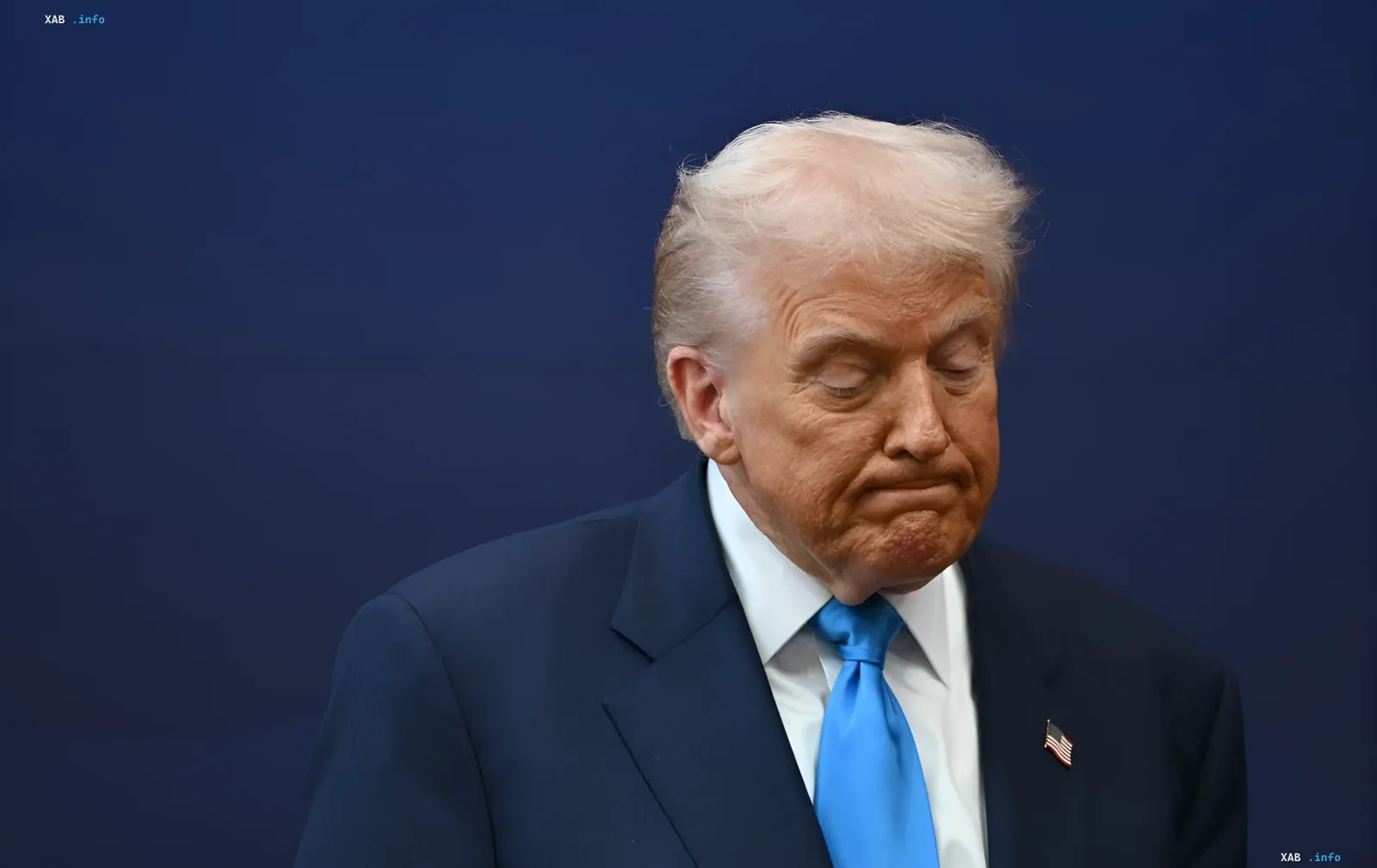
US President Donald Trump has signed an executive order aimed at lowering diesel fuel prices, which have come dangerously close to historical and record highs. The new document provides for a temporary waiver of restrictions and fiscal fees on the use of cheap, so-called red diesel, which is traditionally used exclusively for off-road machinery. Speaking to supporters in Nebraska, a state heavily hit by the fuel crisis, the head of the White House emphasized the unprecedented nature of this step to stabilize the domestic market.
The Essence of the Innovation and Features of Red Diesel
The main feature of the initiative is that the order allows absolutely any citizen and transport company to purchase tax-free off-road fuel for driving on regular highways without the risk of facing fines. This measure is valid until the end of the current year 2026. Experts and specialists emphasize that in terms of its physical composition and technical characteristics, dyed diesel is no different from standard fuel. The only significant difference is the presence of a special chemical dye that marks products intended exclusively for agricultural, construction, and industrial off-road equipment.
Economic Impact for Logistics and Farmers
According to preliminary economic estimates by specialized agencies, the introduction of such a measure will allow truckers and transport companies to save about 150 US dollars on each refueling of a heavy-duty truck. In addition, this initiative is designed to provide powerful targeted support to American farmers and logistics enterprises that have faced the severe consequences of a sharp price spike. Donald Trump himself expressed confidence that such a decision would trigger a chain reaction and lead to lower prices for a wide range of consumer goods, including basic food products.
Contradictory Data
Despite the undeniably positive nature of the initiative for end consumers in the short term, serious discussions have unfolded in the expert community regarding long-term consequences. The presidential administration claims a comprehensive price reduction and the resolution of logistical problems, however, independent analysts point out that the decree is unable to eliminate the root cause of the global shortage of oil refining capacity. In addition, critics note the risks of unbalancing road funds due to under-collection of excise taxes, as well as potential political disagreements amid accusations against opponents of causing the current fuel crisis.
Global Causes of the Fuel Crisis
The rapid rise in diesel fuel prices on global and American markets was provoked by a combination of severe geopolitical and market factors. Among them, a key role was played by the large-scale military conflict in Iran, which led to severe damage to key oil refineries in the Middle East, as well as strikes against Russian oil refining facilities and strict export restrictions imposed by China. Against this background, the internal decisions of the American leadership are designed to cushion the blow to the national economy.