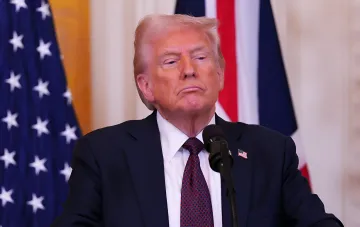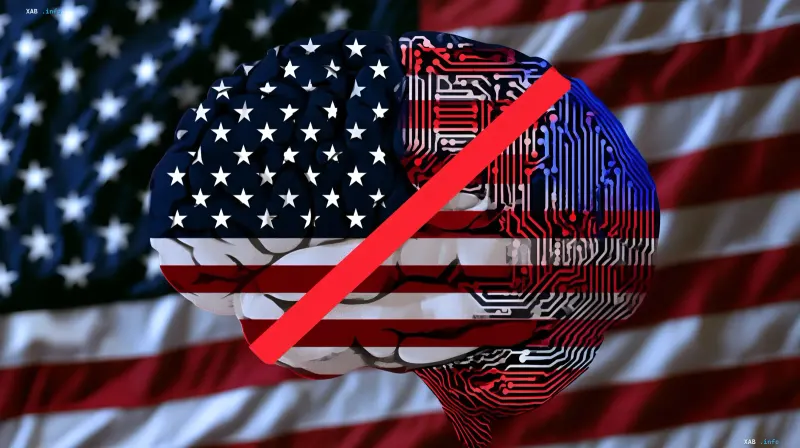
US President Donald Trump has signed a high-profile executive order that fundamentally changes the official terminology of the federal government in the high-tech sector. According to the new directive, all executive agencies are required to use the designation 'Super Intelligence' (SI) instead of the familiar term 'Artificial Intelligence' (AI) in all official documents, communications, and public reports.
Scope of Changes and Technical Context
The new requirement covers a wide range of government activities: official correspondence, government websites, public statements by officials, analytical reports, and program strategy documents that do not hold the status of direct law. However, existing regulatory acts, concluded government contracts, and historical archives will remain unchanged to avoid legal chaos.
Official Justification from the White House
The US presidential administration explains this step as necessary to reflect real technological progress. According to Donald Trump's team, modern advanced systems have long outgrown the framework implied by the outdated concept of 'artificial intelligence.' The text of the signed decree emphasizes that the newest technologies do not just mechanically simulate or automate individual human cognitive functions, but qualitatively expand human capabilities.
Future Plans and Legislative Prospects
Despite the shift in rhetoric and official naming, at the current stage the SI concept legally retains the previous definition of artificial intelligence enshrined in current United States legislation. To eliminate this discrepancy, the President's Assistant for Science and Technology has been given a strict mandate: within 60 days, he must prepare and submit specific proposals for amending federal legislation and related amendments.