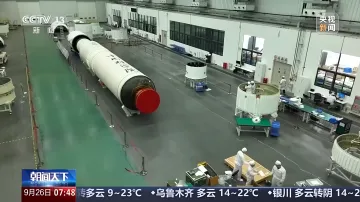
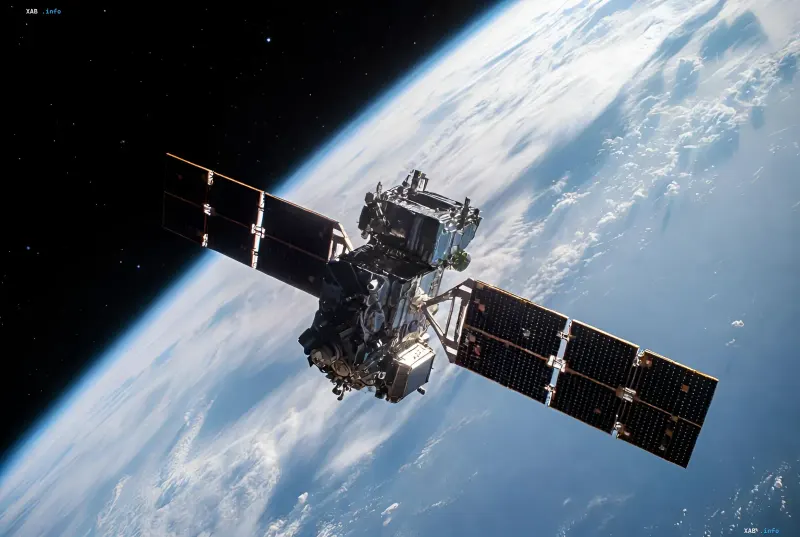
China has unveiled an ambitious project for a large-scale orbital computing network called Space String, which aims to eventually unite more than 1,080 satellites. The new system is designed to fundamentally transform the approach to space computing by combining spacecraft into a single giant data center linked by laser communication channels.
Architecture and Project Participants
The project was officially presented on September 25. It is being developed by two technology companies, Enceladus and Eastlink, which previously collaborated on the Three-Body computing constellation. In the new project, roles are clearly divided: Eastlink is responsible for the overall architecture and operation of the space system, while Enceladus focuses on advanced artificial intelligence technologies and international development.
Two-Tier System and Laser Communication
The main idea of Space String is distributed data processing. The constellation will be divided into two technological tiers. The first tier will include over 720 satellites designed for data collection, Earth observation, and running pre-trained AI models. The second tier will integrate more than 360 specialized computing spacecraft in sun-synchronous orbits dedicated to AI training. All network elements will be connected via high-speed laser links.