China is actively promoting the large-scale integration of artificial intelligence technologies into many aspects of modern life, with their widespread application in filmmaking recently becoming the primary vector. Government structures at various levels are striving to create the most favorable conditions for the development of this new technological niche, offering filmmakers unprecedented support measures, incentives, and infrastructural opportunities.
Background and Government Support
Zhu Zhili, a renowned Chinese film director, began establishing his specialized artificial intelligence-driven film studio exactly two years ago. Initially, he chose Shenzhen, a city with a highly developed technological ecosystem. However, in the current year of 2026, according to Zhu himself, he regularly receives calls from municipal authorities across various regions of the country offering to attract his AI filmmaking business to their territories. Local governments throughout China have promised to form innovative industrial clusters and provide significant tax and financial incentives to specialized enterprises.
Cost Reduction and Regional Initiatives
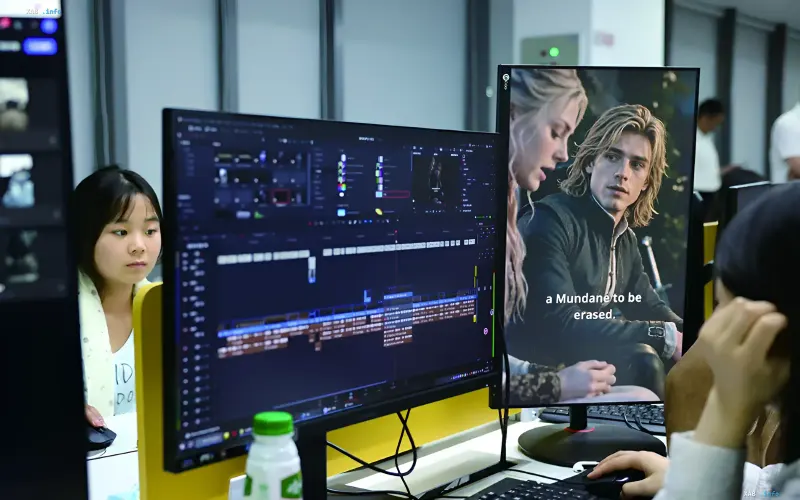
From the perspective of practicing filmmakers, artificial intelligence is incredibly attractive primarily due to the radical reduction in production costs. According to CCTV, in the first half of 2026, the cost of producing short films using AI plummeted from 5,000 yuan per minute to just a few hundred yuan. For example, a standard wedding scene shot using traditional methods can cost up to 60,000 yuan, whereas neural networks allow for the recreation of a similar visual sequence for only 1,400 yuan, as confirmed by young directors and students from specialized universities.
Scaling and Global Market Breakthroughs
In addition to Shenzhen, large-scale incentive measures are being implemented by other megacities. In Shanghai, back in May 2026, measures were officially introduced to promote AI filmmaking, including direct support for computing power. In Beijing, a special fund of 260 million yuan has been established to support advanced audiovisual technologies, and in the Huairou district, content creators are provided with discounts on computing resources. Furthermore, the National Radio and Television Administration of China recently granted permission for the release of the first full-length sci-fi AI film, "Sanxingdui: Memories of the Future," produced by Bona Film, while domestic films are already successfully making a name for themselves at prestigious international venues like the Cannes Festival.