Kyiv has officially launched the theatrical release of the long-awaited film adaptation of Colleen Hoover's bestseller "Verity". Following an introduction to the literary source material, film critics and audiences are asking a logical question: what ultimately remains of the multilayered thriller on the big screen, and did the screen adaptation lose the depth of the original?
Background and Literary Foundation
The book version of "Verity" was initially built on the theme of fatal coincidences that quickly escalate into a dangerous obsession. The work explores the boundaries of human ambition, blind faith in one's own righteousness, and the inevitable retribution for crossing other people's moral boundaries. However, when transferring the story to film, the creators faced a dilemma: how would the picture be received by those who had already read the book and those who came to the cinema completely unprepared? For the first category of viewers, the film sometimes feels secondary, evoking persistent associations with other well-known detective thrillers.
Director's Style and Acting Performances
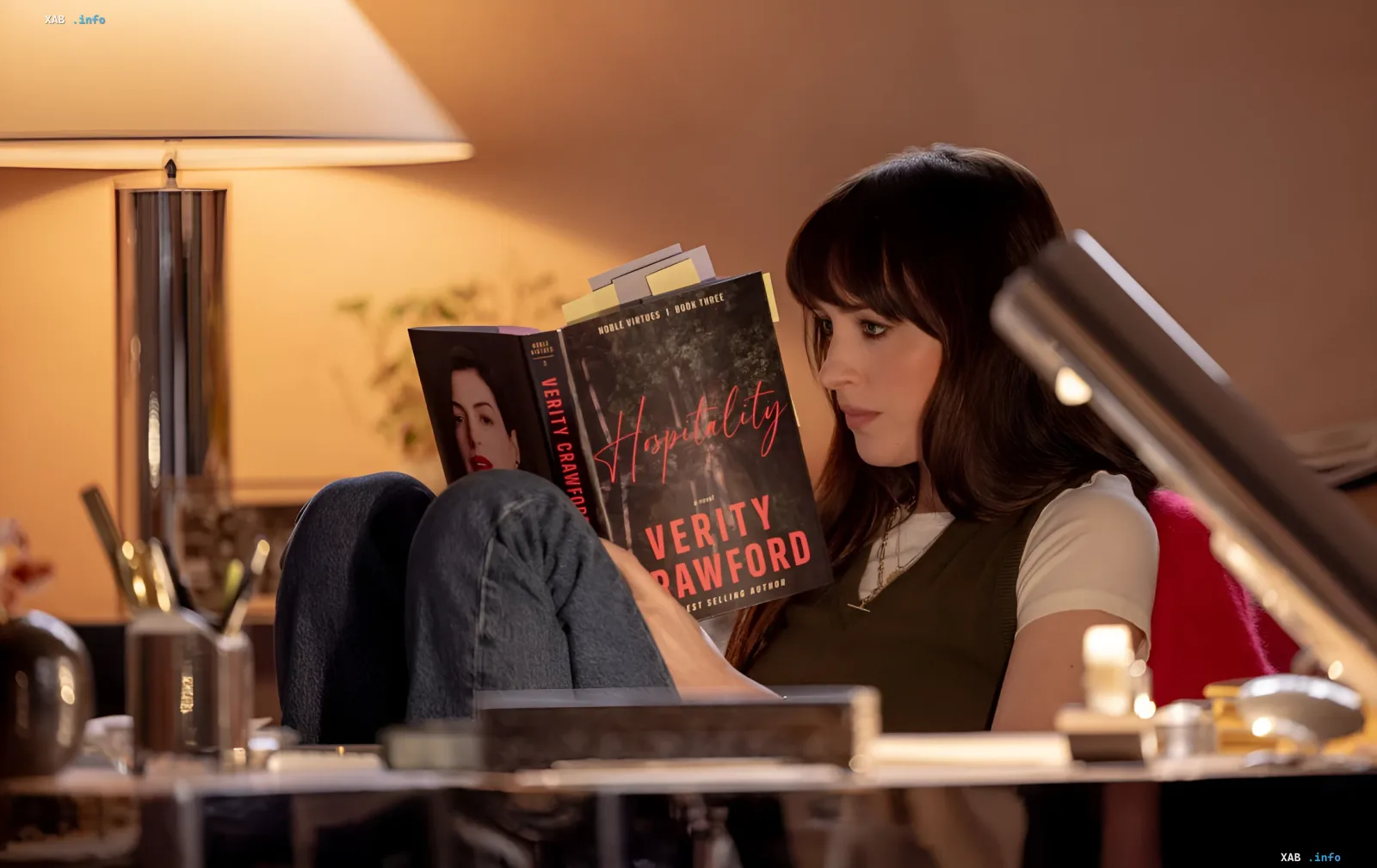
Of particular interest is the figure of director Michael Showalter, known for his successful work in comedy and drama genres. Previously, Showalter repeatedly proved his ability to work with Hollywood's top tier, helping actresses unfold in complex dramatic roles. In "Verity", the main roles were played by actors with powerful potential, including Dakota Johnson and Josh Hartnett. Nevertheless, despite the stellar cast and directorial experience, the script sometimes simplifies the complex psychological structures of the book, making the dialogue more straightforward.
Plot Changes and Film Version
The writers and director decided to significantly cut some secondary storylines and reduce the number of the main character's children, which automatically lowered the intensity of the tragedy. In addition, important characters completely disappeared from the film, serving in the novel as a powerful catalyst for key events. Instead of the philosophical question about the difference between truth and lies, which dominates the book's finale, the adaptation shifts the focus toward a pure genre intrigue.
Controversial Data
There are noticeable discrepancies in critics' assessments of how successful the book adaptation turned out to be. Some reviewers consider the simplification of the plot and the reduction of characters to be a justified step for a dynamic hour-and-a-half thriller capable of maintaining the attention of a mass audience. Another group of experts and dedicated fans of Colleen Hoover's work is convinced that this approach stripped the story of its main advantage—deep psychological subtext and the moral ambiguity of the final chords, turning a complex drama into a standard Hollywood genre product.