Following the start of Russia's full-scale war against Ukraine, arms sales from China to Central Asian countries have begun to grow rapidly, according to The Moscow Times, as cited by RBC-Ukraine. For decades after the collapse of the USSR, the region had effectively remained Moscow's captive market: Russia was the main, and in many ways the only, supplier of military equipment to the former Soviet republics. China, by the same data, only began building defense cooperation with the region in the late 2010s, with analysts pointing to February 2022 as the turning point: after the war began, the former Soviet republics started talking about the need to break their dependence on Russian weapons, and Beijing quickly seized the window of opportunity that opened up.
From Russian Monopoly to Chinese Influence
The key driver behind the switch in suppliers is not so much price as the geopolitical logic of diversification. The region's countries, formally tied to Moscow by a military alliance, began looking for alternatives so as not to depend on a single source at a moment when that source was itself embroiled in a major armed conflict. China offered ready-made products and, importantly, long-term maintenance: the purchase of air defense systems and fighter jets, as noted in the article, creates ties with a supplier who will provide parts, training, and support for the equipment for years and even decades. It is precisely this "entry ticket" into the defense budget that makes the Chinese presence sustainable rather than one-off.
Specific Deals: Air Defense and Aviation
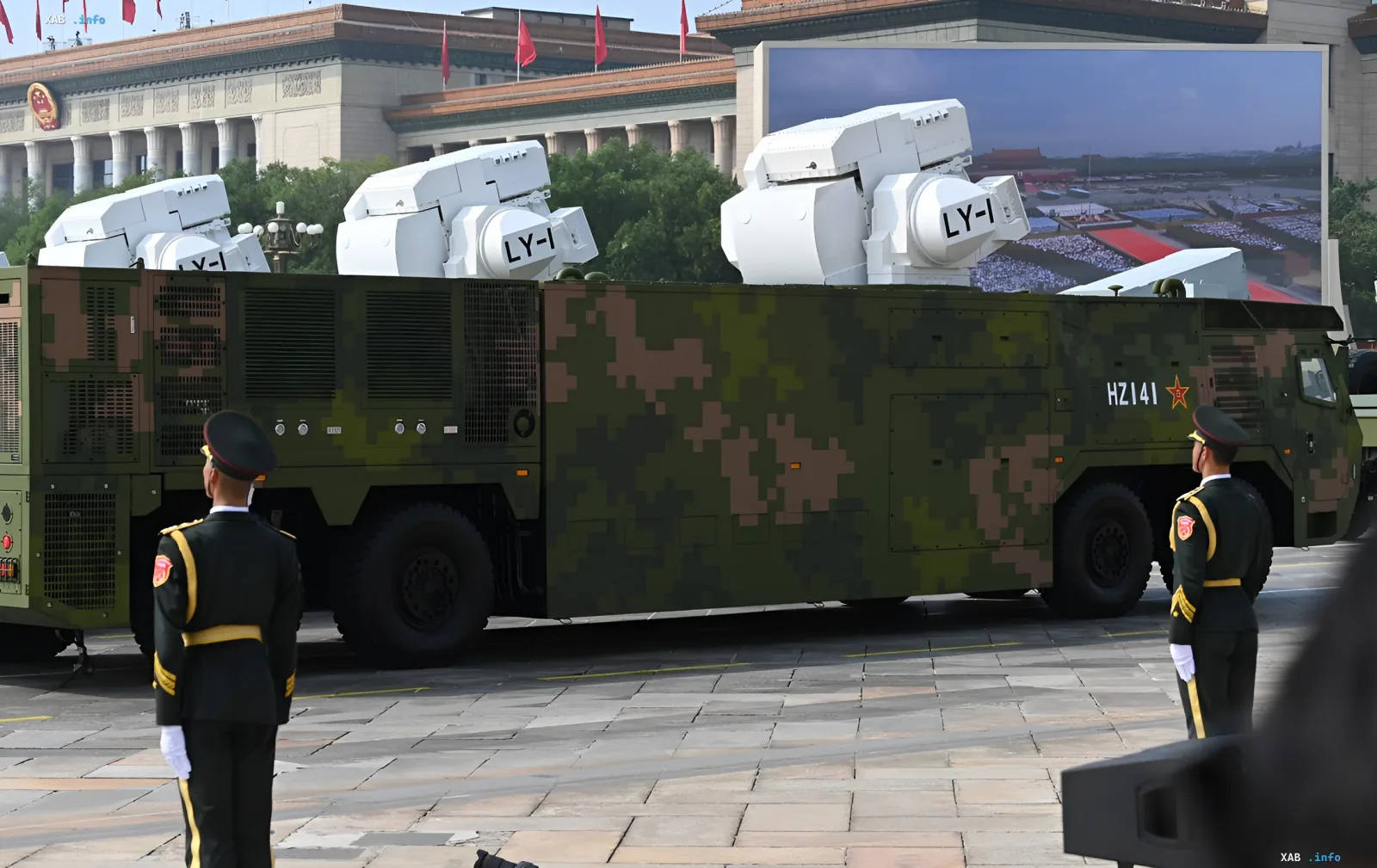
According to The Moscow Times, Turkmenistan purchased long-range HQ-9 and medium-range HQ-12 air defense systems, while Uzbekistan acquired the FD-2000 complex, described as an analog of the HQ-9. Uzbekistan and Kazakhstan, by the same reports, intend to incorporate major Chinese equipment into their air forces. This means the region is moving from point purchases to forming full-fledged Chinese air defense and aviation frameworks, which in the long term shifts the balance of military technologies across the entire Central Asian space.
Drones and Border Security
In addition to major systems, the region's states are also buying Chinese combat drones Wing Loong and CH-3A. A separate block of China's presence is the financing of the construction and development of security facilities along the Tajik-Afghan border. Beijing explains such investments as protecting its own transport corridors and investments in the economies of Central Asian countries, but in practice this entrenches China's role as a guarantor of logistics and security in the region, which goes far beyond purely commercial relations.
SIPRI Figures: The Decline of Russian Exports
The scale of the market redistribution is confirmed by data from the Stockholm International Peace Research Institute (SIPRI): total arms exports from Russia in 2021–2025 fell by 64% compared to the 2016–2020 period, and Russia's share of world exports dropped from 21% to 6.8%. For Central Asia, this means that the "vacated" niche of the Russian supplier is being filled first and foremost by Chinese products, not European or American ones, which are virtually absent in the region.
Contradictory Data
The sources contain several inconsistencies that are important to keep in view. First, the dating of the start of China's defense cooperation with the region is given imprecisely: the original text refers to "the end of 2010," which reads as the end of the 2010s and does not match the earlier point contacts written about by other observers. Second, there is a contradiction between formal status and actual behavior: Kazakhstan, Kyrgyzstan, and Tajikistan, together with Russia, are members of the Collective Security Treaty Organization (CSTO), yet, according to The Moscow Times, Tajikistan publicly displays Chinese equipment at parades in Dushanbe. In other words, the declared military-political integration with Moscow and the actual purchases from Beijing are developing in parallel and are not always aligned. Finally, the specific deals (HQ-9/HQ-12 for Turkmenistan, FD-2000 for Uzbekistan) are cited through a single chain of sources and have not been confirmed by independent official statements from the region's capitals.
Context: Diplomacy and "Shaheds"
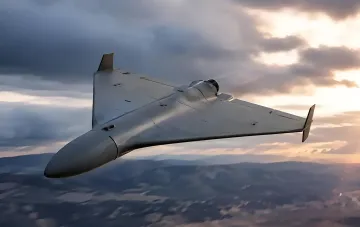
Against the backdrop of expanding defense influence, China is simultaneously positioning itself as a diplomatic mediator: in June, the PRC authorities publicly called on Kyiv and Moscow to return to the negotiating table and described how they envision this process. In parallel, as RBC-Ukraine previously reported, new jet-powered versions of the "Shahed" drones, which Russia uses for massive strikes on Ukraine, are capable of accelerating to 500 km/h, and their appearance is largely linked to Chinese technologies and components. Thus, Beijing is simultaneously increasing its military presence in Central Asia, participating in diplomacy around the war, and, by observers' assessments, indirectly influencing the nature of the weapons used in the conflict.