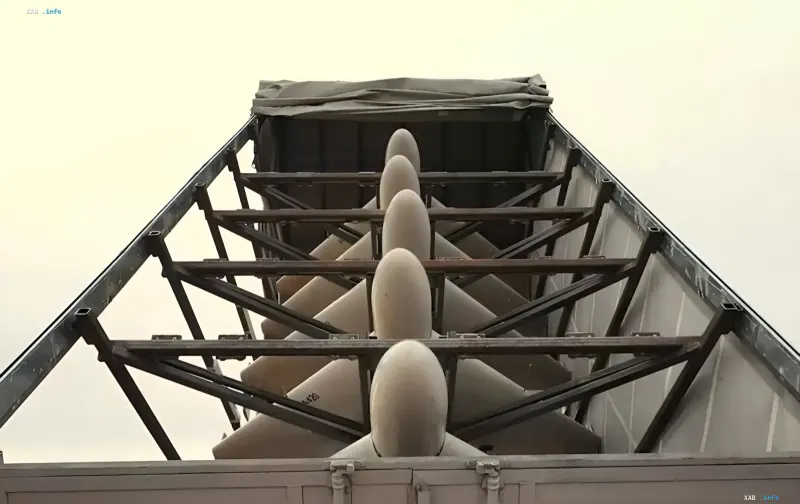
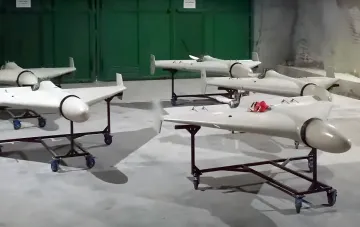
As of September 29, 2026, Russian forces have significantly increased the intensity of air strikes across Ukraine, deploying a record number of jet-powered unmanned aerial vehicles. According to official data from the Ukrainian Air Force, in less than a single autumn month, the number of deployed drones has already surpassed the total figures for the entire previous month, demonstrating a dangerous escalation in aerial terror.
Scale of Escalation and Attack Statistics
According to Ukrainian Air Force spokesman Yurii Ihnat, while the Russian army used 2,850 jet UAVs in August 2026, that figure reached 3,177 units by September 29. The enemy continues massive night and day raids, launching attacks in waves. Kyiv and the Kyiv region remain primary targets, but constant strikes also hit other major Ukrainian cities including Kharkiv, Odesa, Mykolaiv, Sumy, Kherson, and Dnipro.
Attack Tactics and Geography of Threats
Jet drones possess high speed and the ability to cover significant distances, reaching not only frontline areas but also remote western regions of Ukraine. This tactic forces the Ukrainian command to deploy a wide range of forces and assets to repel attacks, including tactical aviation with F-16 fighters, mobile fire groups, and ground-based air defense missile systems.
Air Defense Needs and Development of Domestic Interceptors
To effectively counter the growing threat from jet UAVs and Russian ballistics, Ukraine critically needs regular supplies of interceptor missiles for Patriot systems and other modern air defense complexes from Western partners. Simultaneously, the Defense Forces rely on rapid technological solutions from domestic defense manufacturers. Notably, NSDC Secretary Ihor Klymenko confirmed that Ukraine is already deploying its own specialized jet drone interceptors.