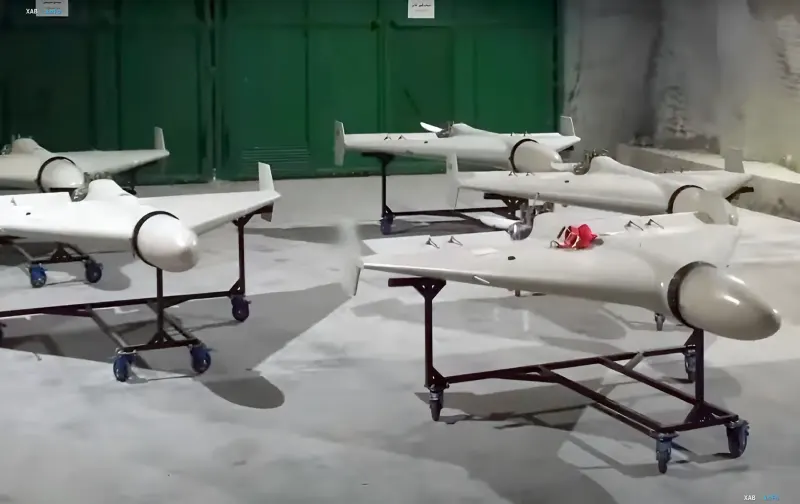
As of early October 2026, Russian forces have managed to build up massive stockpiles of strike unmanned aerial vehicles. According to informed sources within the Ukrainian Defense Forces, the number of accumulated conventional piston-engine strike drones is estimated at approximately 10,000 units. Such a significant arsenal poses serious challenges to Ukraine's air defense system amid ongoing massive attacks.
Production and Capacity Reorientation
As noted in analytical materials, the Russian defense-industrial complex currently produces about 2,000 Geran-4 and Geran-5 drones every month. Such production figures became possible due to the temporary suspension of manufacturing the previous jet-propelled model, the Geran-3. The freed-up resources and some components were redirected toward producing more mass-produced and proven weapon variants, significantly accelerating the pace of equipment accumulation in warehouses.
Contradictory Data
While sources within the Defense Forces report colossal volumes of accumulated piston drones and a stable monthly output of 2,000 units, specialized experts and intelligence data point to certain technological limitations of the adversary. Specifically, further scaling up production of newer modifications relies heavily on the severe dependency on turbojet engine supplies imported predominantly from China. Although Russia is attempting to establish its own engine manufacturing, reliance on external supplies creates vulnerabilities that could impact the aggressor's long-term plans.
New Air Strike Tactics
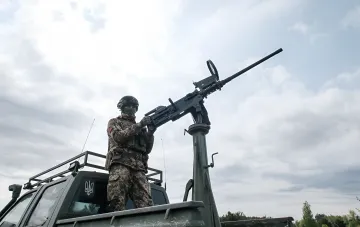
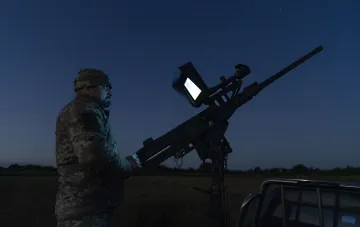
During recent attacks, changes in the adversary's tactical methods have been recorded. The invaders combine the use of jet and conventional gasoline Shaheds, launching them in small groups or waves of a few devices. Such groups follow one another, stretching the strikes over many hours. The main goal of this strategy is to maintain a constant air threat, exhaust Ukraine's air defense assets, and force the military to respond around the clock to a continuous stream of targets.
Expert Assessments and Consequences
Military analysts emphasize that accumulating 10,000 units of equipment requires not only production capacities but also a developed logistics infrastructure for storage and distribution. Experts note that Ukraine is taking asymmetric countermeasures, including contract purchases of tens of thousands of specialized rounds for F-16 fighter jets to destroy jet drones, as well as developing government programs to protect critical infrastructure and businesses from air strikes.