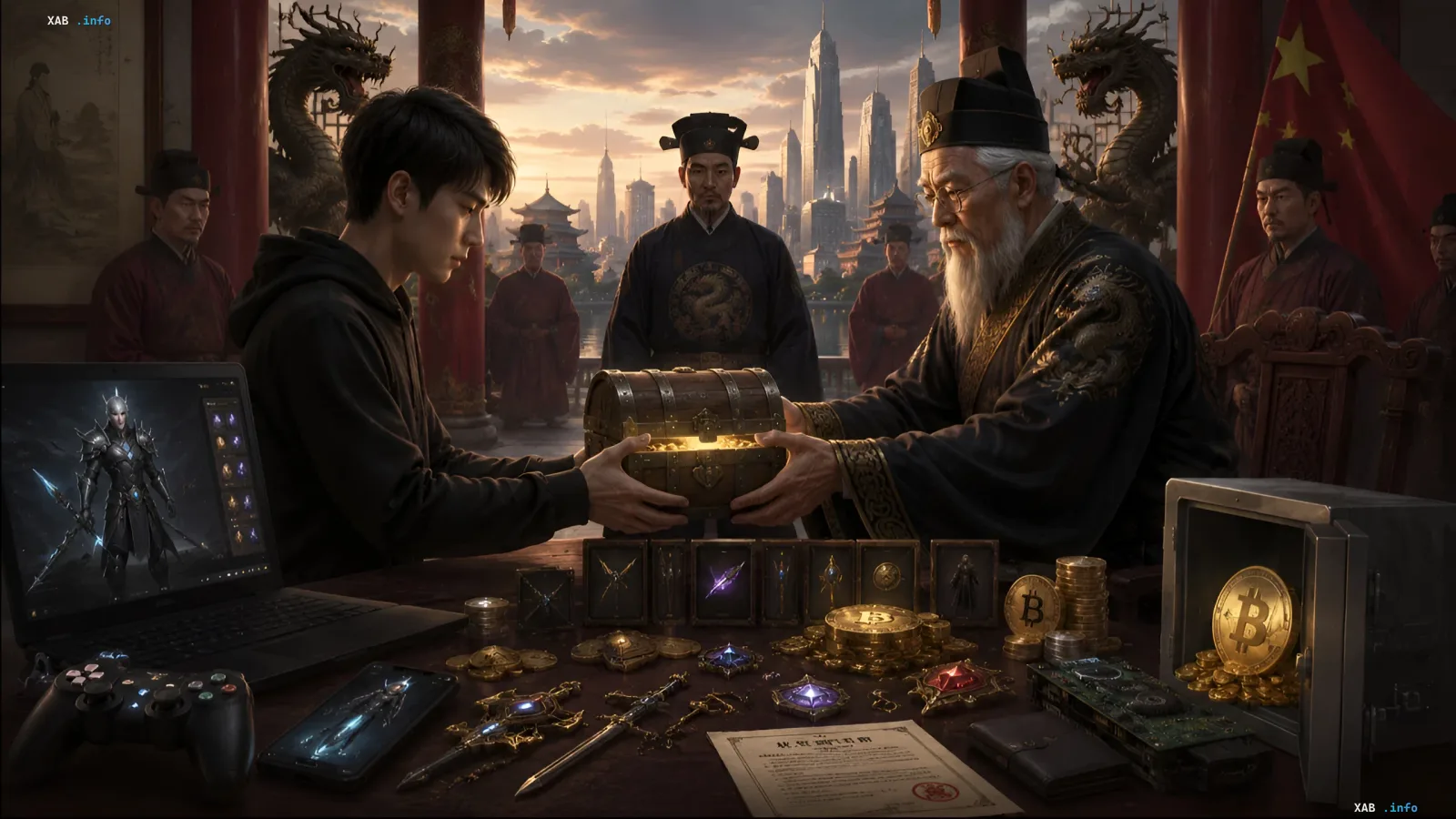
A fundamental shift has occurred in China regarding the legal interpretation of digital assets. The country's judicial system has legislatively established that game accounts, rare virtual items, and cryptocurrency hold the status of fully inheritable property. This decision radically changes the rules of the game for users and developers, setting a new precedent in the world of digital law.
From Licensing Restrictions to Property Rights
Until now, practice in Western countries has often been based on End User License Agreements (EULA), which allowed game publishers and platforms to block access to libraries and accounts after the owner's death. In China, however, courts have taken a different path, recognizing heirs' rights to virtual assets. The key argument for this decision was the proven market value of digital objects: if an item can be sold for real money, it possesses all the attributes of legal property.
Courts Ignore "Non-Transferable" Clauses
Chinese courts consistently side with the families of deceased gamers, ignoring standard clauses in user agreements regarding the "non-transferability" of accounts. In the course of hearing several cases, including disputes over the division of rare artifacts and bitcoins, judges have formulated a clear position: the effort and money invested by a player in creating and developing their digital profile create an indisputable right of ownership.
Platform Obligations and Data Protection
According to new precedents, gaming platforms and services are obliged to assist heirs by transferring rights to manage accounts and associated commercial assets to them. However, courts draw a clear line between property and privacy: personal data and correspondence remain confidential. Nevertheless, the status of digital wealth as inheritable property has become an indisputable fact for the PRC, opening new horizons for the protection of user rights.