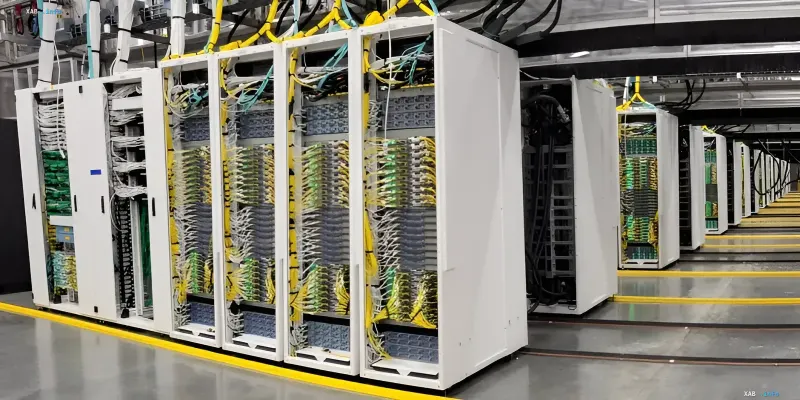
In August 2026, at the peak of the global artificial intelligence race, Microsoft found itself at the center of a new scandal concerning the actual scale of its AI capabilities. An investigation by The Guardian journalists has uncovered a significant discrepancy between the tech giant's public statements and internal data regarding the number of deployed computing resources. Despite investing approximately $280 billion in data center construction and equipment procurement since 2022, the actual number of AI accelerators in operation turned out to be half of what analysts predicted and the market expected.
The Gap Between Plans and Reality: Numbers vs. Expectations
According to Microsoft's internal documents, the company has deployed only 2.2 million AI accelerators to date. This figure falls significantly short of initial plans, which called for 1.8 million chips to be installed by the end of 2024, and even more so compared to expert expectations, which projected a figure in the range of 4–6 million units. Such a discrepancy casts doubt on the pace of implementation of the ambitious program to expand AI capabilities, which is estimated to cost hundreds of billions of dollars.
Experts note that if Microsoft truly possessed the claimed 10 GW of power, the number of installed chips should have been around 6.4 million units. However, actual data suggests that either the data centers are not yet operational or there are not enough chips for them. This creates a situation where huge capital investments do not lead to the expected growth in computing power.
Supply and Data Center Construction Issues
One of the key reasons for the delays is the shortage of electricity and difficulties in building data centers. Microsoft CEO Satya Nadella admitted that the main problem is indeed the lack of energy resources. This means that the company may have a huge number of chips in stock, but no ready facilities to house them and begin operations.
For example, Microsoft's largest AI project in the US — Fairwater in Wisconsin and Georgia — is still not fully launched. In April, the company stated that the data center in Wisconsin was "coming online," but satellite images show that only part of the facility is operational. In May, Microsoft admitted that Fairwater was not yet launched, confirming serious delays in the implementation of key projects.
Contradictory Data
Microsoft itself calls The Guardian's findings incorrect, although they did not specify exactly where the error lies. Company representatives claim that the estimates are based on incorrect assumptions and do not account for the use of various types of chips, including their own developments, as well as equipment from NVIDIA, AMD, and Intel. Furthermore, some experts believe that the construction of AI capabilities is proceeding slower than expected, judging by the company's annual reports.
On the other hand, sources within the company confirmed that the total number of AI chips has "hardly changed" over the last year. Part of the "shortage" may be explained by the partnership with OpenAI, as some Microsoft data centers associated with that company may not appear in internal documents. This creates a situation where the actual scale of AI infrastructure remains unclear even to the analysts themselves.
Impact on the Market and the Future of the AI Industry
The discrepancy in data regarding the number of AI chips and the capacity of Microsoft's data centers could have serious consequences for the entire artificial intelligence industry. If the largest technology companies cannot implement their plans to expand AI capabilities, this could slow down technological development and reduce the pace of AI adoption in various sectors of the economy.
Furthermore, chip shortages and delays in data center construction could lead to rising prices for AI services and limit access for small and medium-sized companies. This could exacerbate inequality in access to technology and slow down innovation as a whole.