
Christopher Nolan, whose name has become synonymous with large-scale intellectual blockbusters, has presented his version of "The Odyssey". A review of the film by poet, screenwriter, and film critic Marina Ponomarenko reveals why this adaptation evoked mixed feelings, despite its visual splendor.
Homer's "The Odyssey" is one of the cornerstones of Western culture, a text that has been reinterpreted countless times: from Joyce's "Ulysses" to the Coen Brothers' "O Brother, Where Art Thou?". Nolan has previously touched upon motifs from the ancient Greek epic, for example, in "Interstellar", but now he has decided to adapt it directly. The result is an expectedly large-scale Hollywood film, which, however, left the critic indifferent.
Visual Deception and the "Uncanny Valley" Effect
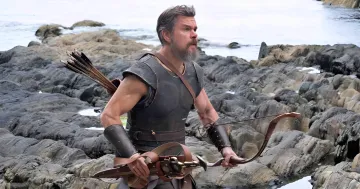
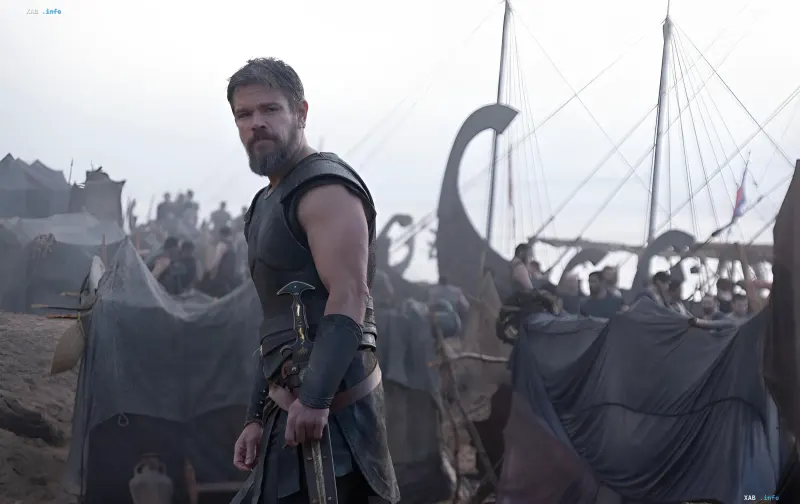
One of the main criticisms of the film was its historical accuracy. Many details — from costumes to architecture and the appearance of the actors — do not correspond to the era. This creates an "uncanny valley" effect: the viewer sees something that is almost like reality, but is not, which causes irritation. For example, the ships in the film resemble Viking vessels rather than ancient Greek ships.
If the heroes were dressed in jeans and modern bulletproof vests, there would be no questions about authenticity. It would then be obvious that Nolan is filming a movie about modern American society, and "The Odyssey" serves only as a plot shell. But it is precisely this almost imperceptible inaccuracy that causes discomfort.
Beauty and Disappointment
The film is indeed beautiful. Nolan's Trojan Horse would probably win a beauty contest among all Trojan Horses. The island of Calypso captivates with its play of light and shadow, the Cyclops impresses with its facial design, and Circe demonstrates mastery in hand sculpting. The Laestrygonians evoke admiration, although they leave questions: "What was that even?".
However, the sirens were disappointing: their presence was effectively played by Odysseus himself, and the viewer neither saw nor heard them. For a blockbuster, this looks a bit unfair. At the same time, the episode in the kingdom of Hades, where all of Odysseus's fallen companions come out to him, is truly impressive and looks like part of a great myth.
Moral Conflict and Modern Interpretation
Homer's "The Odyssey" is a myth, a universal story about human nature and the structure of life. Nolan interprets it as a story of a man returning home after surviving a trauma — war. However, there is a nuance that hinders empathy for the hero.
Odysseus in the film is a warrior of the Achaean army that destroyed Troy and wiped out its inhabitants. He is part of the aggressor's army. From the conversation with Penelope, it becomes clear that he did not want to go to this war but was forced to. Returning home, Odysseus continues to raid islands because his people need food.
In the original, Odysseus acts exactly like this — and even worse — and feels no remorse, because the morality of that time was different. Nolan, however, tries to adapt this story to a modern context, where moral dilemmas become more acute.
Conclusion: Beautiful, but Soulless
Nolan's "Odyssey" is easy to break down into individual episodes: some things turned out better, some worse, and questions arise in some places. Overall — beautiful. But if you look at the film as a whole, what is it? It is a story about returning after trauma, but without depth and emotional connection with the hero.
Nolan created a visually impressive film, but failed to convey the depth and universality of the Homeric myth. For many viewers, this may be a disappointment, especially if they expected something more than just a beautiful blockbuster.