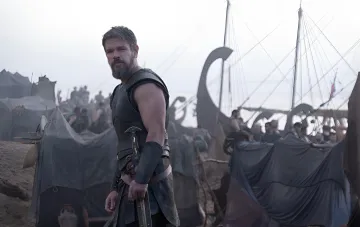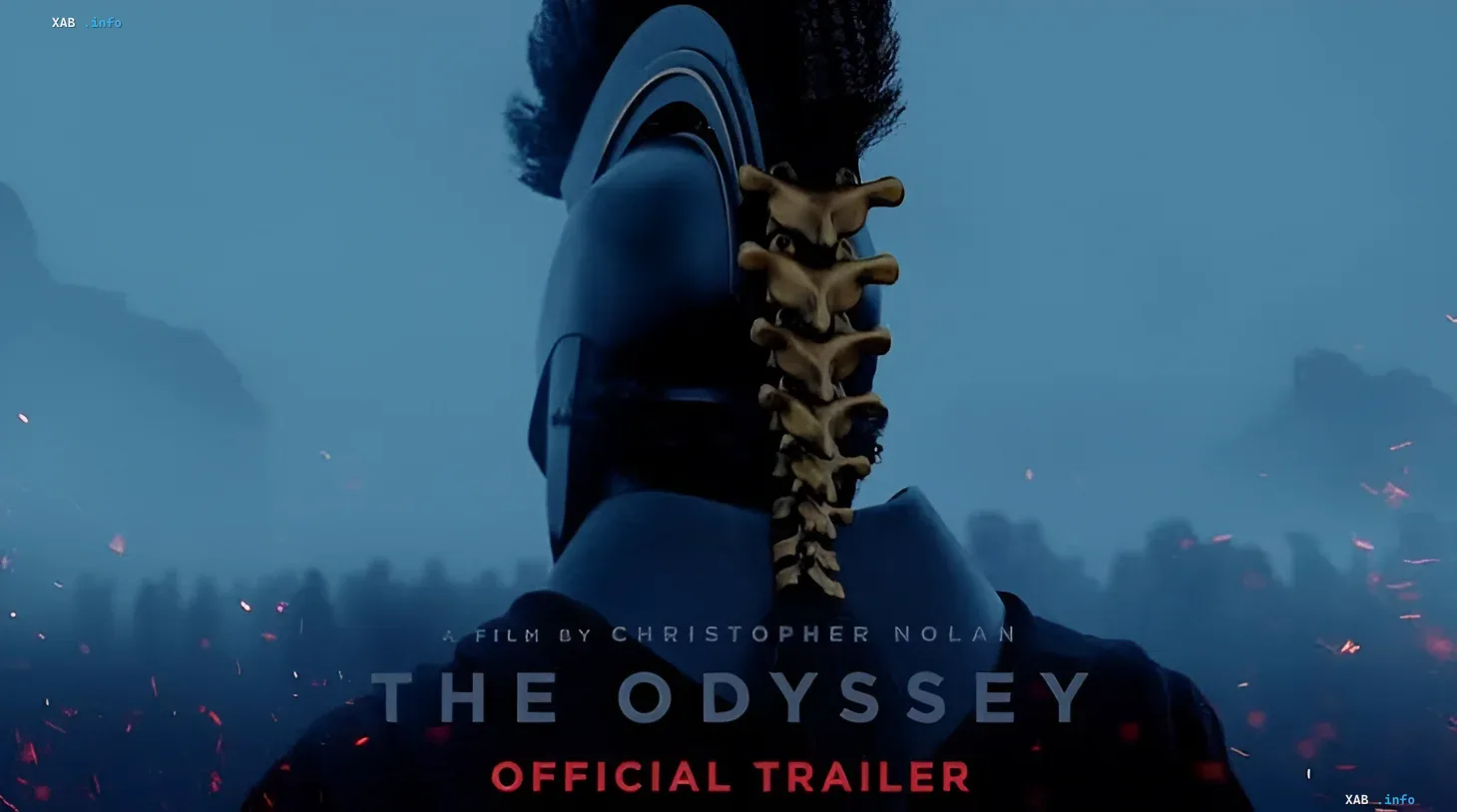
On July 17, 2026, the global entertainment industry marked an event already hailed as a turning point in cinema history. Christopher Nolan's feature film "Odyssey" (The Odyssey) hit international theaters. This large-scale adaptation of the ancient Greek epic about the return of the King of Ithaca not only brought classic plots back to audiences but also demonstrated an unprecedented level of technical execution.
The debut results exceeded the boldest expectations of analysts. The review aggregator Rotten Tomatoes recorded a unique parity of opinion: both professional critics (Tomatometer) and first-time viewers (Popcornmeter) gave the film an identical rating of 96% positive reviews. This figure, based on the analysis of over 500 verified reviews, places "Odyssey" in the elite list of Nolan's works, putting it on par with "The Dark Knight" and "Memento".
The film's success is due not only to the plot but also to a radical approach to production. "Odyssey" entered history as the first feature film shot entirely on modernized 70mm analog IMAX format cameras. To realize this ambitious task, IMAX Corporation developed special lightweight modifications of the equipment with reduced acoustic noise levels. This allowed the director to record dialogue and dynamic scenes directly on set, eliminating the need for subsequent dubbing.
Nolan consistently adhered to his philosophy of minimizing digital technologies. Instead of the usual computer graphics (CGI) for visualizing mythological scenes and large-scale battles, physical sets, complex props, and optical tricks were used. This approach to creating a three-hour canvas requires colossal resources but provides the viewer with a unique tactile sense of the reality of what is happening.

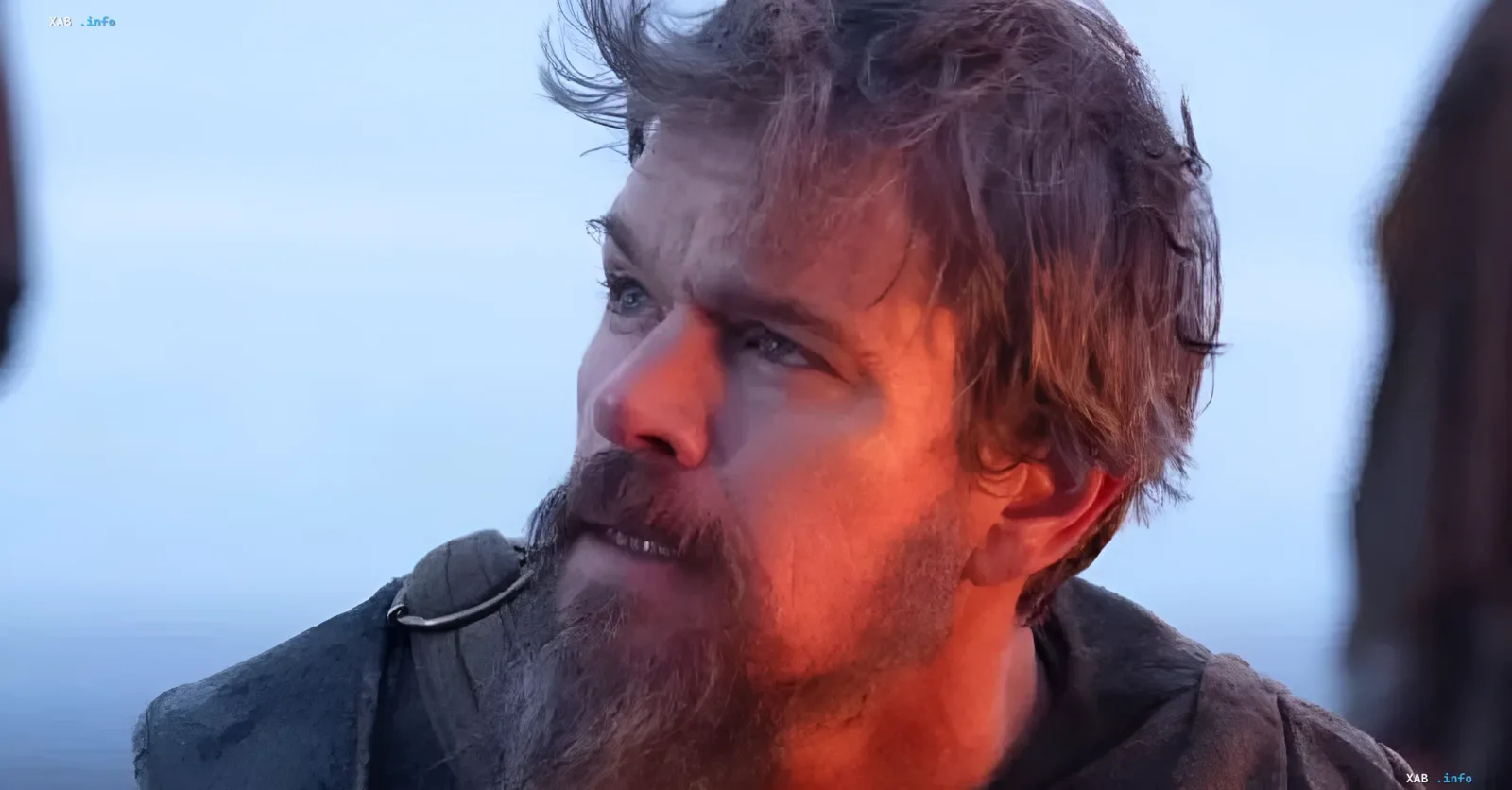
The film's cast confirms the project's status as the main Hollywood release of the year. In the lead role is Matt Damon, embodying the character of Odysseus. His wife Penelope was played by Anne Hathaway, and the hero's son Telemachus by Tom Holland. The key antagonistic role of the leader of the suitors, Antinous, was performed by Robert Pattinson. The assembled ensemble of first-rate stars became a powerful driver of audience interest.
Economic indicators of the launch also speak of phenomenal success. According to Deadline, in the segment of evening preview screenings in the US, the film grossed $15 million. Experts predict that the opening weekend box office on the American market will exceed $117 million. This result outpaces average market forecasts for the summer season of 2026.
Market analysts note that maintaining a high critical rating (above 90%) in the first ten days of release is a key factor in ensuring long-term stability of box office collections. This phenomenon, known as the "long tail" of sales, allows the project to maintain profitability, reducing dependence on the initial marketing budget. Maintaining the current momentum, "Odyssey" not only dominates the second half of 2026's theatrical run but is also highly likely to take leading positions in the shortlists for the upcoming Academy Awards.
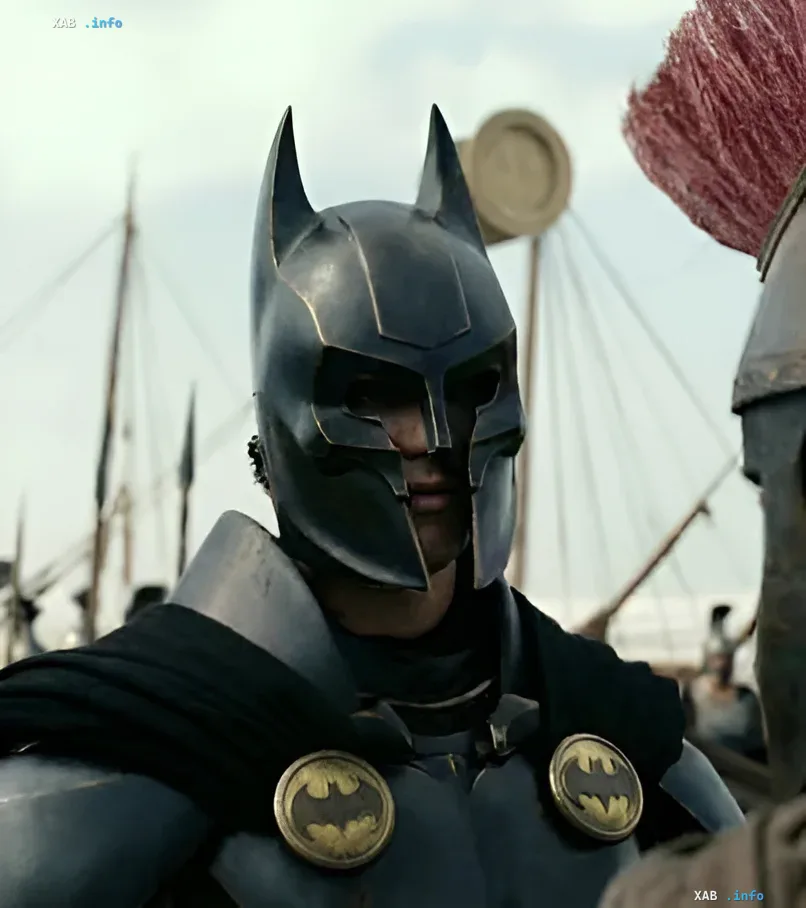
Universal Pictures provides infrastructural and distribution support for the project. The combination of a classic plot, star casting, and advanced yet analog technologies has made "Odyssey" a unique product that redefines quality standards for large-scale blockbusters.