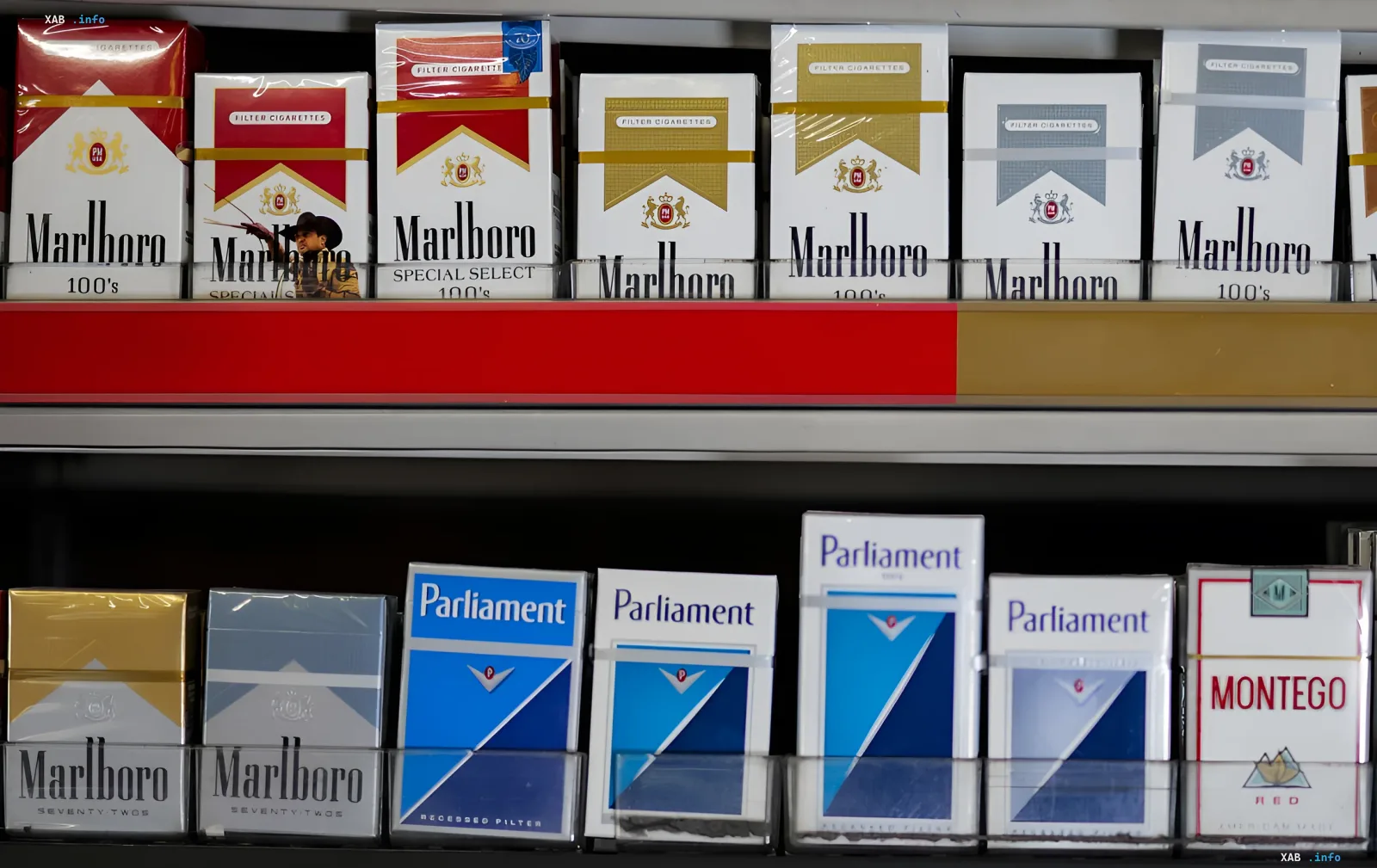
Logistical Collapse: Why Marlboro and Parliament Vanished
In August 2026, Ukrainian consumers faced a new reality: familiar tobacco brands such as Marlboro and Parliament temporarily disappeared from the shelves of major retail chains like "Silpo" and "Fozzy". The cause of this shortage was a series of large-scale strikes on the country's logistical infrastructure, which destroyed key distribution centers (DCs) of the Fozzy Group and Novus holdings. The situation, described in materials from RBC-Ukraine, demonstrates how vulnerable the supply chain has become, even for the most in-demand essential goods.
Manufacturers, including industry giants JTI and Philip Morris Ukraine, acknowledge that the destruction of warehouses has become a serious challenge. In the face of ruined logistics, companies are forced to urgently seek alternative delivery routes. As experts note, this is not just a temporary delay but a necessity to completely restructure the distribution system, which requires time and additional resources.
Manufacturers' Reaction and Recovery Timelines
JTI, one of the key players in the market, has already begun work to restore supplies. The company's press service stated that they expect to return products to store shelves by the end of the current week, between August 10 and 16. However, this optimistic forecast applies only to part of the assortment. Full restoration of stocks may take significantly longer due to the need to reconfigure logistical chains.
Mikhail Muller, Commercial Director of Philip Morris Ukraine, clarified in an interview with RBC-Ukraine that some retail outlets have already received goods, but for other stores, supplies through alternative distributors are being considered. While this decision saves the situation regarding product availability, it carries risks for the industry's economy. Companies have not yet announced a direct price increase, but additional logistical costs—new transport, services of third-party distributors, laying new routes—will inevitably affect the cost of production in the long run.
Administrative Barriers: The Problem of "Dead" Cameras
In addition to physical destruction, businesses are facing serious administrative difficulties. Ukraine maintains strict control over the circulation of tobacco products: warehouses must be under continuous video surveillance by tax authorities to exclude "shadow" circulation. However, when a warehouse is hit, the cameras are destroyed along with part of the infrastructure.
A paradoxical situation arises: without a functioning video surveillance system, the removal of surviving goods from a damaged warehouse is formally prohibited. JTI is awaiting targeted decisions from the government that would allow the removal of goods from affected zones despite the absence of cameras, as well as adjustments to excise taxes on destroyed products. Without flexibility from regulators, businesses risk losing significant volumes of goods that could technically be saved.
Scale of Destruction and the Context of 2026
The situation with tobacco products is just part of a broader picture. Since February 24, 2022, more than 1.05 million square meters of warehouse space have been damaged in Ukraine, about 750,000 square meters of which are in the Kyiv region. On the night of August 5, Russia launched 28 missiles and 115 combat drones at the country, attacking logistics centers, warehouses, and production facilities.
Among the victims were not only Fozzy and Novus, but also giants such as "Epitsentr", Rozetka, "Nova Poshta", Liqui Moly, Puma, and Intertop. According to analysts, the logistical crisis of 2026 could prove even more dangerous for the economy than the fuel collapse of 2022, as it strikes at the country's very ability to move goods and support internal trade.