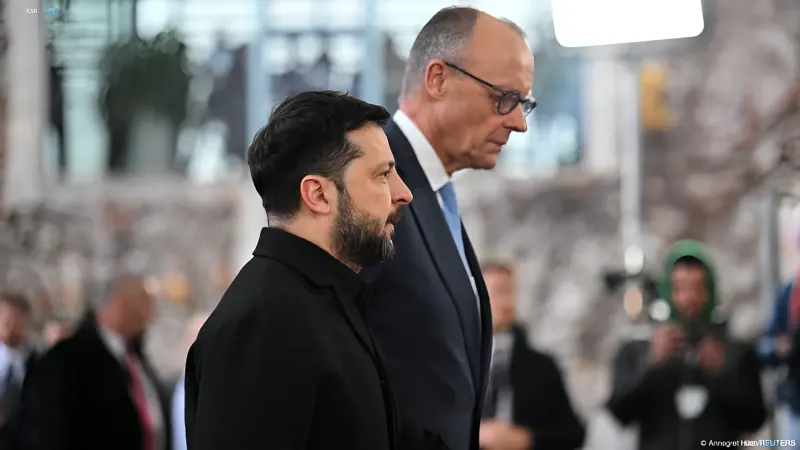
A meeting of leaders and representatives from a dozen countries, as well as the European Union and NATO, took place in Berlin as part of the summit of Ukraine's allies from the "coalition of the willing." The event was held at the invitation of German Chancellor Friedrich Merz, French President Emmanuel Macron, and British Prime Minister Andy Burnham under the slogan "United for Peace in Ukraine and European Security." The meeting was a reaction to the recent summit in Shenzhen, China, where US President Donald Trump held talks with Russian President Vladimir Putin and Chinese leader Xi Jinping.
Macron: Maximum Defense Effort and Resuming the NATO Question
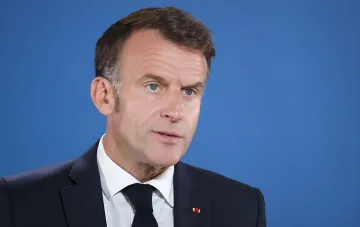
Following the summit, French President Emmanuel Macron urged allies to do the "maximum possible" to strengthen Ukraine's defense capabilities. According to him, the Ukrainian army is in urgent need of new air defense systems and missile interceptors: "Everyone who has the capacity to provide means for the defense and protection of Ukrainian citizens must do so now." Macron also spoke in favor of resuming the discussion on Ukraine's NATO membership, stating that "given Russia's maximalist demands," the issue of membership must be brought back to the table.
Merz Rejects a Europe-Free "Yalta Format"
After the summit, German Chancellor Friedrich Merz rejected the possibility of a peaceful settlement in Ukraine without the participation of European states, stating that "the Yalta format will not bring peace," referring to the meeting between Trump, Putin, and Xi Jinping. Drawing a parallel with the 1945 Yalta Conference, Merz described the meeting in Shenzhen as "primarily an opportunity to take a joint photo." According to him, unlike the meeting in China, the participants of the "coalition of the willing" achieved real goals, and European countries must be involved in discussions on ways to end the war and ensure future security on the continent.
Trump Joins the Summit from Air Force One
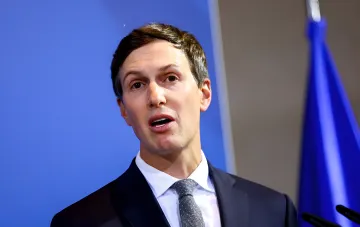
US President Donald Trump unexpectedly joined the Berlin summit by phone from Air Force One following talks in Shenzhen. According to Politico, citing European officials, Trump stated that Putin is serious about peace talks on Ukraine while expressing doubts about the appropriateness of further multi-billion-dollar military aid to Kyiv by the countries of the "coalition of the willing." According to the dpa news agency, to connect to the summit, Trump called his son-in-law and special envoy for Ukraine Jared Kushner, who is in Berlin; the details of his speech have not been officially disclosed.
Criticism of the US Course from Warsaw and Copenhagen
Polish Prime Minister Donald Trust and Danish Prime Minister Mette Frederiksen criticized Trump's course toward dialogue with Putin. Commenting on the words of the American leader, who in China called Putin "my friend," Tusk stated: "Mr. Putin is not our friend and never will be." Frederiksen, in turn, said she found it difficult to understand the US president's desire for negotiations with the Russian leader, adding that after meeting Trump on the sidelines of the APEC summit in Shenzhen, Putin might feel more confident: "Unfortunately, this is a bad sign for world peace. This is a bad sign for Ukraine." She also expressed fears of increased Russian pressure on European countries.
Position of the EU and Kyiv
European Commission President Ursula von der Leyen, who arrived in Berlin, stated that the European Union remains united in its support for Ukraine: "Only through strength can a just and lasting peace be achieved." According to her, the EU will continue to provide aid to Kyiv and maintain maximum pressure on Russia, emphasizing that "Europe is strong and united." Ukrainian President Volodymyr Zelenskyy, in turn, reported on social media X that he discussed "key issues and needs" of Ukraine with Merz, Macron, and Burnham, publishing a video from the leaders' meeting.