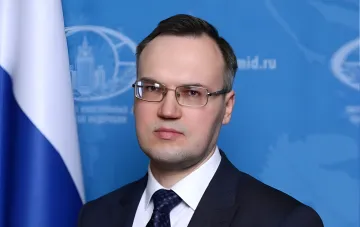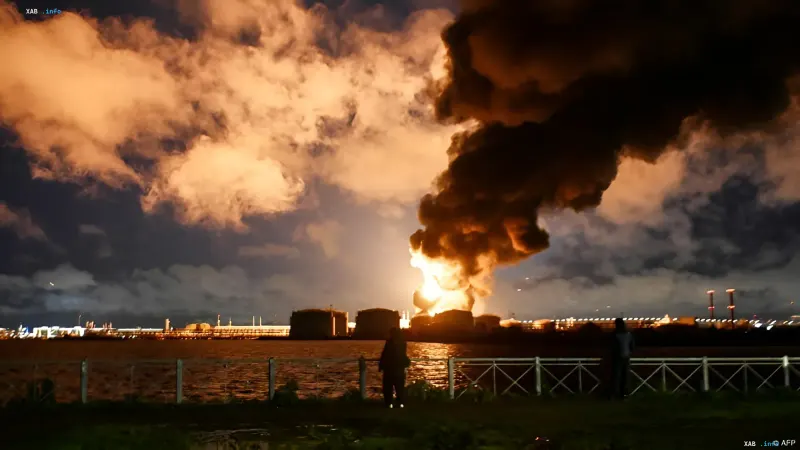
NATO Deputy Secretary General Radmila Shekerinska, speaking at the European Policy Centre in Brussels on Thursday, November 19, positively assessed the results of Ukrainian strikes deep inside Russian territory. According to her, disrupting the operation of oil refineries and diesel fuel production demonstrates not only to the world community but also to Russian society that a number of Moscow's strategic decisions should be questioned.
"The war is coming back to them"
Shekerinska emphasized that the success of Ukraine's long-range strikes hits key elements of Russian military and fuel logistics. "They see the war coming back to them," the Deputy Secretary General stated, referring to Russia. In her assessment, it is precisely these results that force a reconsideration of previously made strategic errors, which, according to NATO, led to the escalation of the conflict.
Sabotage, drones, and monthly losses
The NATO official linked the intensification of Russian sabotage, arson, and drone incursions in alliance territories to Moscow's attempt to undermine support for Ukraine and distract from failures on the front. According to her data, Russia has been losing more territory than it gains for the second consecutive month, and monthly personnel losses amount to approximately 50,000 soldiers.
Divergent assessments within the alliance
Shekerinska's speech came two days after a statement by U.S. Deputy Assistant Secretary of Defense Elbridge Colby at a meeting of the Ukraine Defense Contact Group in the Ramstein format. Colby criticized some of Ukraine's strikes deep inside Russia, which he claimed targeted facilities causing harm to the civilian population, asserting that such attacks do not help end the war. German Defense Minister Boris Pistorius called this criticism "pretty dumb." Shekerinska did not mention Colby in her address, limiting herself to a general assessment of the effectiveness of Ukrainian strikes.
Peace, negotiations, and security guarantees
Answering questions about the summit involving the leaders of the US, China, and Russia in China and the "coalition of the willing" meeting in Berlin on November 19, Shekerinska stated that the end of the war is possible only with Ukraine's participation in negotiations, consideration of its interests, and the provision of its security. NATO, she said, is present at the negotiating table, but decisions about the future architecture of European security must be made by Europeans themselves. She declined to comment on the meeting in China, citing that it is outside the alliance's purview, but called the Berlin meeting involving NATO Secretary General Mark Rutte an important step toward security guarantees for Ukraine.
Post-war support and burden sharing
The NATO Deputy Secretary General emphasized that even under the best-case scenario and the arrival of peace, the need to support Ukraine will persist and become more acute. She called for a more equitable distribution of aid among alliance nations, noting that some states have been making a disproportionately large contribution for a long time. According to her, NATO is discussing deeper cooperation with Kyiv, including questions about future Ukrainian armed forces, and is itself adopting Ukrainian experience in resilience, cybersecurity, and the interaction of civil and military structures.