In Kyiv and Odesa, law enforcement agencies neutralized a cynical fraud group that swindled Volodymyr Shlemko, a 71-year-old People's Deputy of the Verkhovna Rada of the first convocation. The perpetrators, posing as employees of the Security Service of Ukraine (SBU), terrified the elderly former politician with accusations of "financing Russia" and forced him to hand over all his foreign currency savings. The organizer of this sophisticated scheme turned out to be a young resident of Odesa, who remotely managed the process via the Telegram messenger.
The scam scheme: from "aggressor drugs" to a code word
The scheme was built on sophisticated psychological pressure and the exploitation of fears characteristic of wartime. The scammers contacted Shlemko by phone and shocked him with a statement: the medical preparations the former deputy regularly bought for his personal treatment were allegedly produced by a company sponsoring the army of the aggressor state. The elderly man was convinced that he was inadvertently financing terrorism and risked facing criminal charges.
To avoid accusations of collaboration, the pensioner was ordered to immediately hand over all cash foreign currency "for verification." To add credibility, the organizer introduced a conspiratorial element: a secret agent was promised to be sent to Shlemko's house, who was to say the code word "Cabbage". It was this password that became the key to the transfer of money, convincing the victim of the authenticity of the "special operation".
The teenage errand boy and the finale of the spy drama
As reported by the Kyiv City Prosecutor's Office, the 20-year-old Odesa curator did not risk traveling personally to the money transfer, fearing surveillance cameras. On Telegram, he recruited a 17-year-old resident of the Kyiv region, promising him a percentage for working as a courier. The teenager arrived at the former MP's place, spoke the password, and took the package containing $31,700 (more than 1.3 million hryvnias).
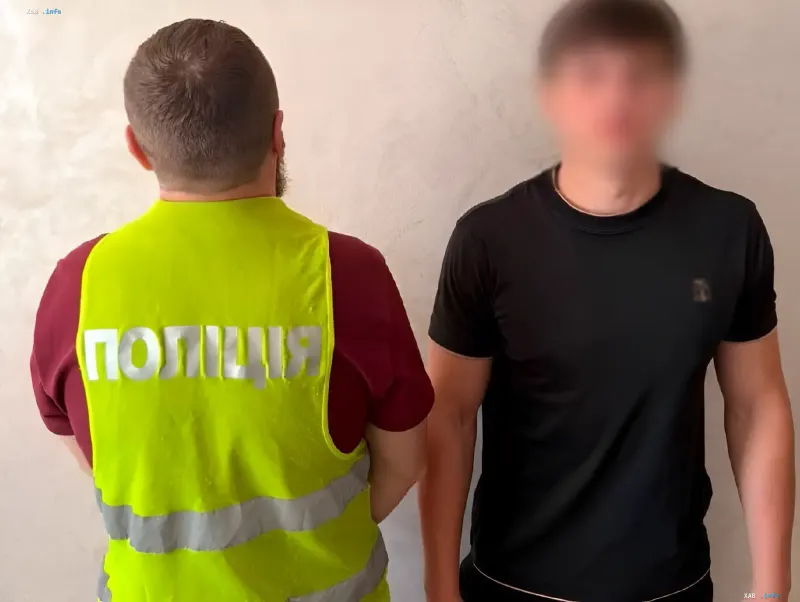
However, the real cyber police and operatives were already on the scammers' trail. The underage executor was arrested in Kyiv immediately after receiving the currency. At the same time, special forces detained the organizer in his Odesa apartment. Currently, the entire amount has been seized and is being prepared for return to the legal owner.
Analytics: Military narratives in the service of criminals
The case of Volodymyr Shlemko revealed a dangerous trend: Ukrainian scammers have fully adapted their schemes to the realities of 2026. If previously scammers used legends like "your son was in a car accident" or "your bank card is blocked," then in wartime conditions, the main tool of pressure became fear of intelligence agencies and accusations of treason.
For elderly people, especially those with a political past, the acronym "SBU" and the threat of becoming an "accomplice of the enemy" have a paralyzing effect. Criminalists note that the use of messengers allows organizers to involve minors in crimes, who fall for easy money without realizing the gravity of the consequences. Now both suspects have been notified of suspicion under Part 4 of Article 190 of the Criminal Code of Ukraine. Given that the crime was committed in an especially large amount during martial law, the 20-year-old from Odesa faces up to 12 years in prison with full confiscation of property.
Contradictory data
In the initial media reports, the amount of stolen funds was stated as "almost $32,000", whereas the official prosecutor's protocols cite the exact figure — $31,700. The difference of $300 may be explained by rounding in news briefs or the fact that part of the amount was seized from the courier separately from the main bundle handed over by the victim. Also, in some sources the age of the organizer is stated as "20 years", and in others — "20-year-old", which is not a contradiction but requires clarification of the exact date of birth when announcing the indictment.