Modern flagship smartphones deliver incredible computing power, yet their real-world potential is often constrained by the challenge of effective heat dissipation. Sustained heavy workloads inevitably trigger throttling mechanisms—a protective reduction of clock speeds designed to prevent component overheating. Within the tight confines of mobile chassis, engineers find it increasingly difficult to maintain peak electronics performance over extended periods, prompting enthusiasts to seek unconventional workarounds.
An Unusual Experiment with the Apple A20 Pro Processor
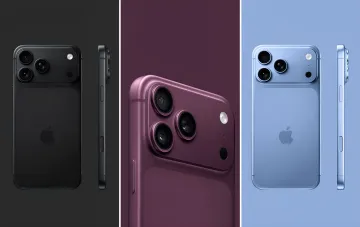
Renowned developer and tech enthusiast Matt Birchler conducted a fascinating study into the capabilities of Apple's newest flagship. At the center of his attention was the A20 Pro processor powering the iPhone 18 Pro. A resource-intensive continuous speech transcription task was selected as the stress test. During the initial cold launch, the device delivered an impressive 447.9 words per second, but performance predictably began to drop during successive repeated tests due to die heating.
Soda Cooling as a Countermeasure Against Throttling
To neutralize the impact of thermal limits, the experimenter deployed an improvised cooling system. He took a standard cold can of LaCroix soda straight from the refrigerator and held it against the back panel of the operating smartphone. Although the very first cycle with cooling yielded a slightly lower result than the initial uncooled run (429.5 words per second), subsequent tests proved the method's high efficiency. Thanks to continuous heat extraction, the device maintained stability and outperformed the heated gadget by an average of 25% during extended computational series.
Contradictory Data
It is worth noting that across various tech reports and enthusiast discussions, the methodology of such tests has sparked debate. Some experts point out the potential risks of condensation forming when applying excessively cold items to the glass or metal surfaces of modern smartphones, which could lead to electronics damage. While some sources focus exclusively on the performance gains achieved by eliminating the thermal barrier, others warn everyday users against repeating similar experiments at home without proper sealing and humidity control.
Prospects and Takeaways for Future Generations of Gadgets
This experiment clearly demonstrated that the primary bottleneck of modern mobile hardware is not silicon architecture or a lack of raw power, but thermal management. The Apple A20 Pro chipset possesses a colossal hidden reserve that software and game developers cannot fully utilize due to the risk of rapid chassis overheating. These findings provide food for thought for the company's engineers, hinting at the urgent need to introduce more sophisticated passive or even active cooling systems in future generations of mobile devices.