August 16, 2026. A publication in the influential American outlet The Washington Post has become a catalyst for a new geopolitical discussion. Based on exclusive diplomatic sources, the article states a fundamental shift in the perception of the US role as a global security guarantor. The prolonged military campaign by the Donald Trump administration against Iran, which began six months ago, has not only failed to deliver the expected "quick victory" but has also triggered a systemic crisis of trust among Washington's key partners in the Persian Gulf and Southeast Asia.
Erosion of Trust in the Persian Gulf: From Dependence to Autonomy
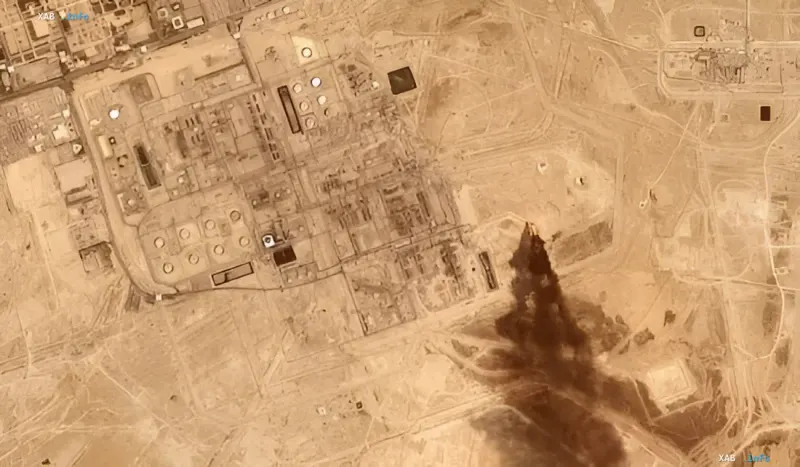
According to fact-checking data based on materials from The Washington Post, the monarchies of the Persian Gulf — Saudi Arabia, the UAE, Qatar, Kuwait, and Bahrain — have moved from hidden dissatisfaction to openly seeking alternative strategies. The key factor in their disappointment is the US inability to ensure stability in the region. Instead of localizing the conflict, Washington's actions have led to the effective paralysis of the Strait of Hormuz, regular missile strikes on oil infrastructure, and a sharp spike in the cost of marine transport insurance.
Particular outrage in Riyadh and Abu Dhabi was caused by Donald Trump's recent statement regarding plans to legally recognize the Strait of Hormuz as "American territory" and to impose a 20% tariff on tanker transit. Diplomats from Arab countries perceived this not as a protective measure, but as an attempt to monopolize control over the region's energy resources. In response, while remaining formally under the US defense umbrella, the monarchies have begun separate negotiations to create a regional defense alliance without direct Pentagon involvement, and have intensified contacts with Beijing as an alternative mediator.
Crisis in the Asia-Pacific Region: Depletion of Arsenal
The situation in Southeast Asia demonstrates even more alarming trends for Washington. Countries in the region, including Japan, the Philippines, and Taiwan, are recording a critical decline in the US ability to contain the expansion of the PRC. As experts cited in the article note, the reason lies in the physical exhaustion of American military resources.
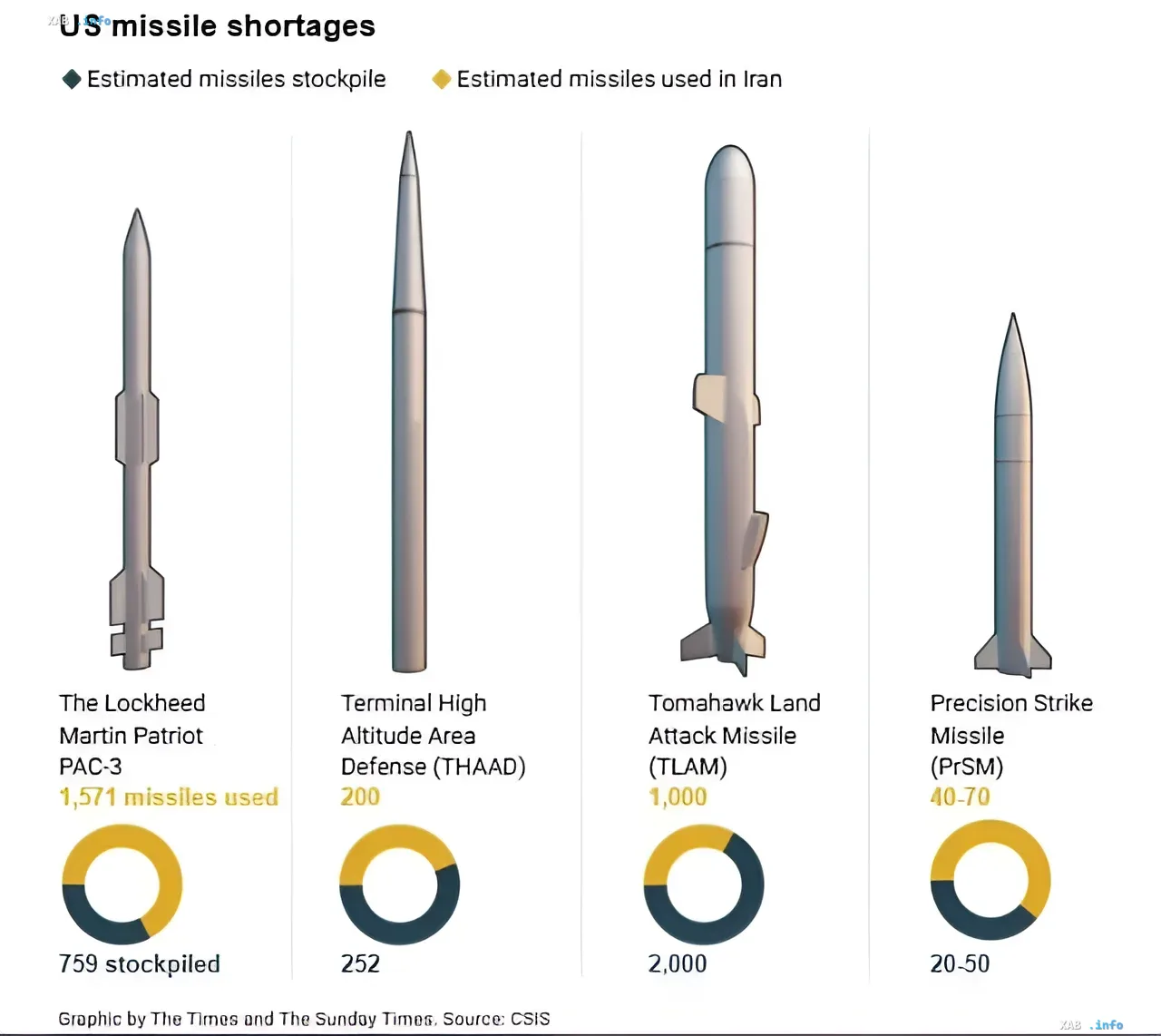
The war with Iran required colossal expenditures: according to data confirmed by independent sources, the US has expended more than half of its strategic stockpiles of Tomahawk cruise missiles and Patriot PAC-3 interceptors. The American defense industry, overloaded with orders for the Middle Eastern front, is forced to work on a "just-in-time" basis, making it impossible to quickly replenish stocks for other theaters of war. In Tokyo and Manila, this is perceived as a signal that in the event of an escalation of conflict in the South China Sea or around Taiwan, the US may be unable to provide operational military assistance.
Economic and Political Consequences for the US
The geopolitical isolation of Washington has direct consequences for US domestic politics. The publication by The Washington Post coincided with a critical period — 2.5 months before the midterm Congressional elections. Failures in the Middle East and the loss of ally trust are destroying Donald Trump's image as a "tough leader" capable of restoring order. Domestically, this is exacerbated by inflation and rising energy prices caused by the Iranian blockade.
Trump's doctrine, based on the commercialization of security ("pay money — we will protect you"), has faced a systemic collapse. It turned out that even with financial resources, the US lacks the industrial power to simultaneously wage war in the Middle East, support European allies, and contain China. This forces the international community to move towards a multipolar security model, where American influence ceases to be the only alternative.