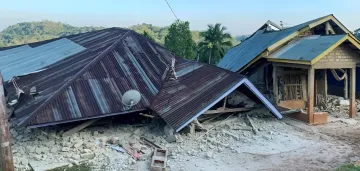
A massive humanitarian catastrophe is unfolding in Colombia. As of Tuesday morning, August 11, 2026, the death toll from the devastating 7.4-magnitude earthquake has reached 254. The force of the tremors, recorded on Monday morning, was the highest for the country in the last 100 years. The epicenter of the disaster was in the coffee region, where destruction has affected critical infrastructure: schools, hospitals, and multi-story residential complexes.
Epicenter of the tragedy: Pereira and Cali
The heaviest losses were suffered by the cities of Pereira and Cali, which became the main centers of destruction. In Pereira, 101 deaths have been confirmed, and in Cali, 95. Rescue operations in the city of Cali are continuing non-stop. A few days ago, in the destroyed Torres del Limonar housing complex, rescuers pulled a living woman from the rubble, which caused loud applause from the gathered crowd. However, this story became an exception: the city secretary of health reported that the city morgues are overflowing, and the bodies of the dead continue to be removed from the streets as there is not enough space for temporary storage.
Thousands of families are left homeless. Collapsed houses and damaged structures have forced people to leave their apartments, many of whom are now forced to live on the streets, waiting for specialists to assess the safety of the buildings and allow them to return.
Isolation of the Chocó region and logistics problems
Particular concern is caused by the situation in the forested Chocó region, located near the epicenter. Indigenous communities living in these inaccessible areas still remain without electricity and basic communications. The lack of communication and destroyed infrastructure significantly hinders the work of rescue teams. Local residents complain that state aid has not yet reached them. The region already suffered from instability and attacks by armed groups, which creates additional risks for the population in the event of a natural disaster.
Political context and government reaction
The earthquake occurred at a critical moment for the country's new administration — just a few days after the inauguration of President Abelardo De La Espriella. The head of state personally visited the affected regions to assess the scale of the disaster. He promised full support to everyone who lost their homes and called for a consolidation of efforts to restore infrastructure. However, officials warn that due to communication problems in remote areas, the final number of victims will only be established in a few days.
Contradictory data
There is a gap between official data and the reality on the ground. On the one hand, official reports record 254 dead as of Tuesday morning. On the other hand, local authorities and rescuers note that in the isolated areas of Chocó, communication is completely absent, and an accurate count of victims there is impossible. In addition, earlier, on August 10, media reports indicated more than 100 dead, but the figures were quickly updated, which speaks to the instability of data in the first hours after the disaster. The final balance of human casualties may be revised upwards.
Global context of seismic activity
The Colombian catastrophe is not the only powerful earthquake that has shaken the planet this summer. At the end of July - beginning of August, Italy experienced its strongest earthquake in 40 years with a magnitude of 4.7, and a little earlier, seismologists recorded in Japan one of the most powerful earthquakes in the entire history of observations. Scientists note increased seismic activity in various regions of the world, which causes concern among international experts.