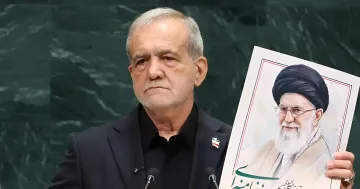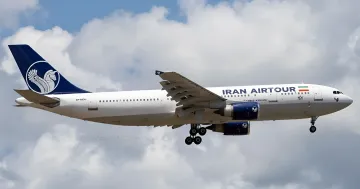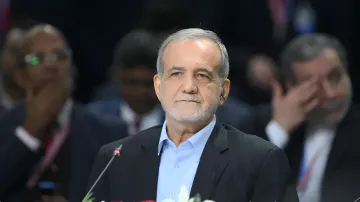
Colombia has officially announced the complete severance of diplomatic relations with the Islamic Republic of Iran, citing strict considerations of national and regional security. This move is part of a broader reorientation of the country's foreign policy led by the administration of President Abelardo de la Espriella, who assumed office on August 7, 2026. Bogota emphasizes its commitment to protecting stability in the Western Hemisphere and stepping up the fight against transnational crime.
Reasons and Official Accusations by Bogota
According to a statement by the Colombian Ministry of Foreign Affairs issued on September 24, 2026, the decision to sever intergovernmental ties effectively took effect on September 19. As key arguments, authorities cited alleged ties between the Iranian leadership and international terrorist organizations and drug cartels destabilizing the region. In addition, official Bogota pointed to systemic human rights violations inside Iran, aggressive actions against third countries, the blockade of the strategically vital Strait of Hormuz, and obstacles created for IAEA inspectors.
Foreign Policy Pivot Under the New President
Experts note that the severance of relations with Tehran marks a radical departure from Colombia's previous foreign policy line. The new administration headed by Abelardo de la Espriella has charted a course toward strengthening strategic partnership with the United States and restoring full diplomatic contacts with Israel, reversing former leader Gustavo Petro's controversial decision in 2024 to cut ties with Tel Aviv. Despite the diplomatic break, the Colombian side decided to maintain consular communication channels to protect the rights of citizens of both countries.
Regional Context in Latin America
Colombia's decision fits into a broader Latin American trend of reviewing diplomatic contacts with Iran. In early September 2026, Peru also announced the severance of diplomatic relations with Tehran, citing the escalation of the Middle East crisis and shipping disruptions. Meanwhile, neighboring Chile chose a different approach: authorities closed their embassy in Iran while maintaining diplomatic status for pragmatic and economic security reasons.