
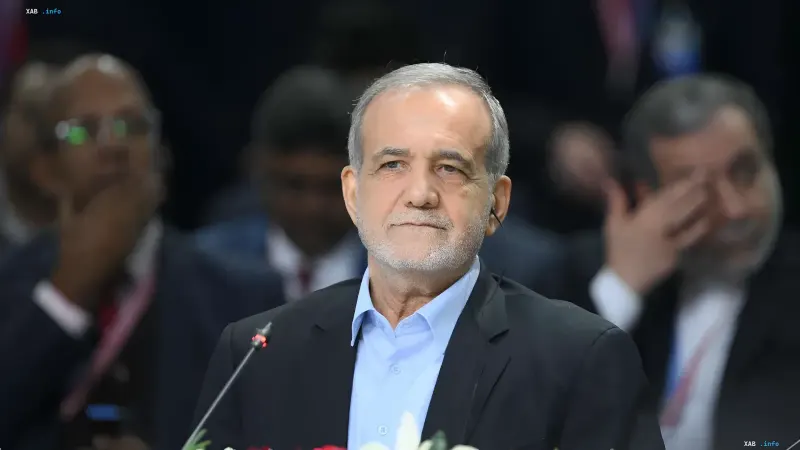
During the high-level week of the UN General Assembly in New York, sensational diplomatic statements regarding Middle Eastern tensions and nuclear security were delivered. President of the Islamic Republic Masoud Pezeshkian, in an exclusive interview with Fox News, officially announced Tehran's readiness to completely abandon stockpiles of uranium enriched up to 60 percent under the Treaty on the Non-Proliferation of Nuclear Weapons (NPT).
Washington's Reaction and Donald Trump's Stance
At the same time, according to NBC News reports, Pezeshkian openly urged the US administration to return to the memorandum of understanding between the two countries before the midterm elections scheduled for November 2026. However, White House Press Secretary Anna Kelly responded by stating that President Donald Trump is determined to ensure that "such a terrible state as Iran never acquires nuclear weapons." In turn, Trump predicted from the UN rostrum that a real agreement would only be reached after the November elections, as Tehran is awaiting a shift in the balance of political power in the White House.
The Nuclear Factor: Why 60% Uranium Became a Bargaining Chip
The conclusions of International Atomic Energy Agency (IAEA) observers and geopolitical experts highlight the critical significance of this statement. Uranium enriched to 60% is technically just a short step away from the 90% level required for building nuclear weapons; Pezeshkian's statement on readiness to give up specifically these reserves serves as a major trump card thrown in to ease Western sanctions and open diplomatic doors.
Contradictory Data
There are noticeable discrepancies in assessments regarding the timelines and prospects of concluding a new agreement. The Iranian side insists on the urgent need to restore the memorandum of understanding and lift sanctions even before the November vote, banking on Washington's pre-election vulnerability. At the same time, the US administration and President Trump personally categorically reject any rush, stating that any substantive agreements are possible exclusively from a position of strength after the congressional elections conclude.
Geopolitical Consequences and the Fate of the Strait of Hormuz
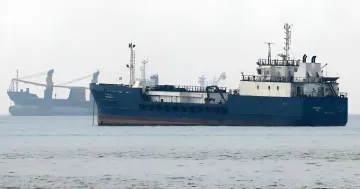
The failure of the previous summer memorandum, which was annulled following the resumption of strikes in July, has once again threatened the security of navigation in the Strait of Hormuz and the stability of the global oil market. The political dialogue at the UN venue demonstrates that the current nuclear crisis has entered a crucial phase, the outcome of which will determine not only the fate of the regional conflict but also the architecture of global security for years to come.