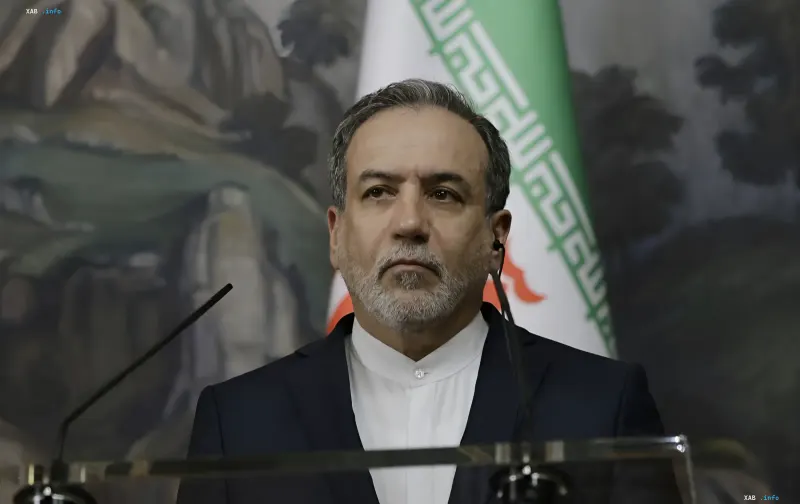
Iranian Foreign Minister Abbas Araghchi made a new statement on Sunday, emphasizing that exclusively diplomatic mechanisms can resolve the protracted conflict between Tehran and the United States. This initiative and the subsequent reaction of the parties followed after US President Donald Trump publicly rejected the peace proposals put forward by the Iranian side as part of regional de-escalation efforts.
Background and Tehran's Peace Initiative
During the ongoing UN General Assembly this week, the Iranian delegation officially announced that it had handed over a comprehensive peace plan to Washington via Qatari intermediaries. The document provided for the immediate cessation of hostilities and the resumption of full navigation through the strategically vital Strait of Hormuz. According to Araghchi, Tehran's conditions remain unchanged, and any practical steps to open the strait directly depend on the American side fulfilling the demands put forward.
Washington's Reaction and Donald Trump's Stance
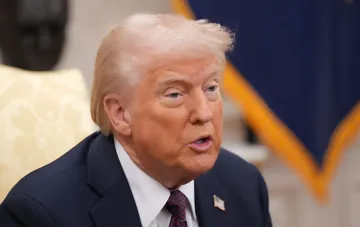
However, the US leadership took a hardline stance. US President Donald Trump told reporters on Saturday that he categorically rejects the proposed plan. According to the head of the White House, the Iranian side's attempts to reach an agreement on the key waterway are driven solely by despair and the desire to avoid a crushing defeat in the current confrontation. In addition, the authoritative publication The Wall Street Journal, citing its own sources, reported that Trump rejected the proposal for a seven-day ceasefire, letting his entourage know that he expects the resumption of active bombings after the November elections.
Contradictory Data
Despite the categorical public statements of the American leader, the situation remains ambiguous due to diplomatic nuances. Abbas Araghchi stressed that official intermediaries between the US and Iran have not yet transmitted Washington's refusal through diplomatic channels. Tehran intends to wait for official conclusions from the intermediary side before making final decisions. Meanwhile, the expert community notes that the ongoing conflict has already provoked a serious crisis in world markets, including a shortage of oil tankers and a sharp increase in the cost of freight for supertankers due to forced changes in logistics routes.
Economic Consequences and Prospects
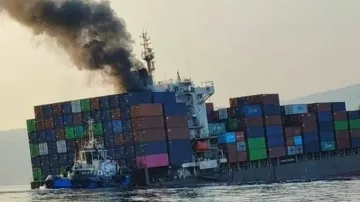
The escalation of tensions around the Strait of Hormuz hits global energy security. The blocking of the key hydrocarbon transportation artery forced shipping companies to look for detours, which led to a multiplicative increase in transport costs. Analysts agree that while diplomacy stalls amid mutual ultimatums, the global economy will continue to bear costs, and the fate of the peace plan will depend on the parties' readiness for real compromises after all procedural approvals through intermediaries are completed.