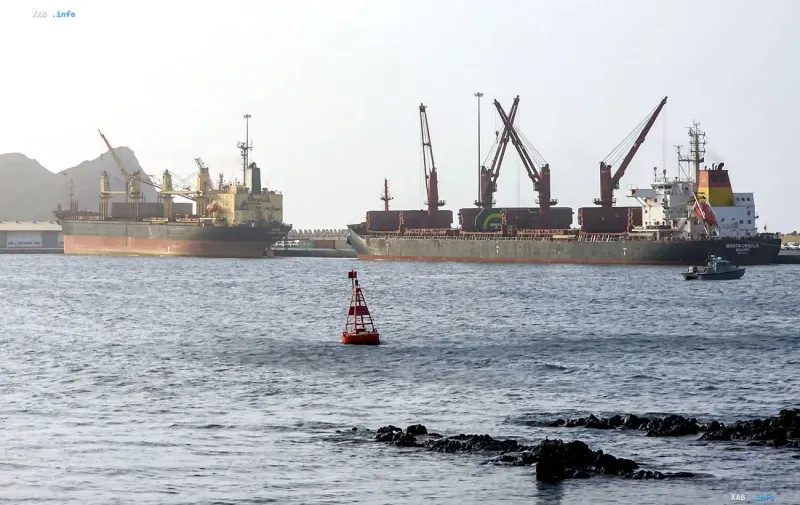
Iran has conveyed a proposal through diplomatic intermediaries to the United States government regarding the resumption of navigation in the strategically vital Strait of Hormuz. Tehran’s main condition for unblocking the transport artery is the removal of the U.S. naval blockade on Iranian ports. This became known amid reports that the American administration rejected the initiative, continuing to insist on maintaining severe pressure on the Islamic Republic's port infrastructure.
Diplomatic Channels via Pakistan and Qatar
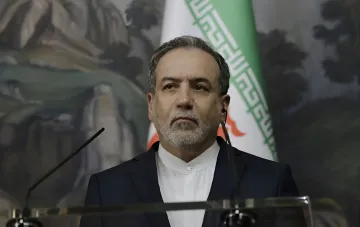
Tehran’s initiative was announced by Iran's Ambassador to Islamabad, Reza Amiri Moghadam. According to the diplomat, the proposal came through contacts facilitated by Pakistan, which, along with Qatar, acted as a mediator in concluding June’s temporary ceasefire agreement. The document envisaged the restoration of normal vessel passage through the strait, the lifting of restrictions, and the launch of a broader dialogue addressing Iran's nuclear program.
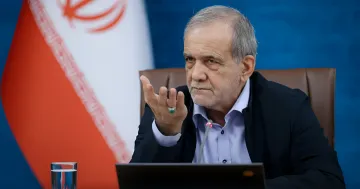
However, as the Iranian representative noted, U.S. President Donald Trump rejected the stated conditions. At the same time, Iranian Foreign Minister Abbas Araghchi previously stated that the plan to resolve the crisis and unblock the route remains on the agenda, although the parties still differ on details and the timeline for fulfilling mutual obligations. Tehran emphasizes its openness to continuing the negotiation process provided that counter-demands are met.
Escalation of Tensions and Security Threats
The situation around the Strait of Hormuz remains extremely tense due to the parallel increase in military presence in the region and new security threats. Earlier, representatives of the Islamic Revolutionary Guard Corps (IRGC) stated potential risks to underwater internet cables laid along the bottom of the strait, against the backdrop of a recent incident involving an oil tanker striking a mine. Experts note that any disruptions in this region instantly impact global energy markets.
Furthermore, the situation is heating up amid reports by American media about potential new coercive steps by Washington against Iran. According to intelligence sources, amidst incoming data regarding potential threats to American officials, the U.S. has already begun quietly evacuating part of its diplomatic personnel from Middle Eastern countries, preparing for a potential political and military escalation.
Prospects for Settlement and Next Steps
The issue of unblocking the Strait of Hormuz remains a key factor of stability in the Persian Gulf, affecting the interests of dozens of nations dependent on oil and liquefied natural gas supplies. Despite Tehran's announced conditions and readiness for dialogue, Washington's rigid stance and lack of compromise on lifting the port blockade minimize the chances of a swift diplomatic resolution to the crisis. Further developments will depend on whether intermediaries can find common ground between the parties before local tensions escalate into a full-scale military confrontation.