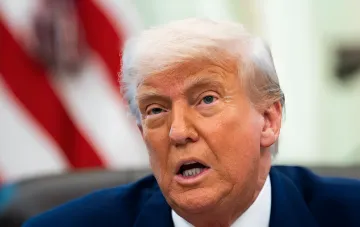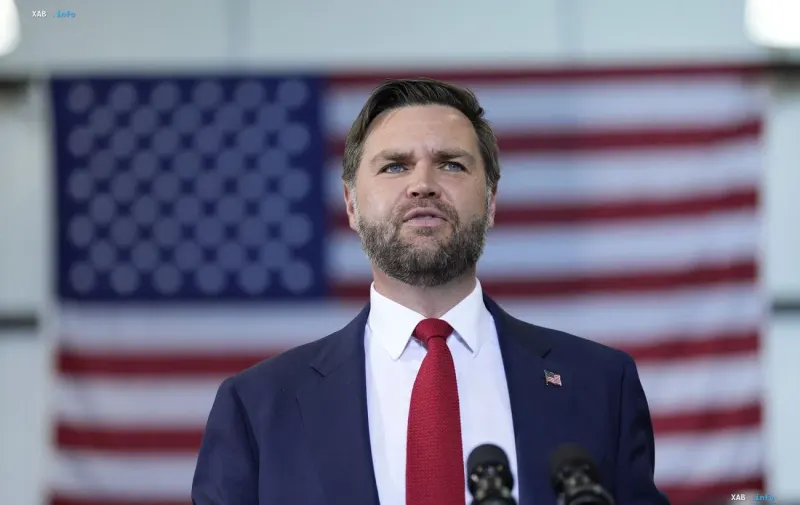
U.S. Vice President JD Vance, acting on the direct instructions of President Donald Trump, sent a secret message to Iran's security chief Mohsen Rezaei with an initiative to resume peace negotiations between the two nations. This is reported by the influential American publication The Wall Street Journal, citing its own diplomatic sources.
Details of the Secret Diplomatic Initiative
According to informed sources, the American administration's diplomatic move aims to reduce tensions and prevent a potential new U.S. military operation against Iran. Discussions between Washington and Tehran are currently focused exclusively on developing basic framework conditions for future consultations rather than on detailed concrete peace proposals. The choice of Mohsen Rezaei as the recipient is due to his key influence within the Islamic Republic's security apparatus and the need for direct dialogue with influential figures.
During preliminary unofficial contacts, the parties outlined their diametrically opposed primary demands. Washington is persistently seeking strategic nuclear concessions from the Iranian leadership, while Tehran insists on the immediate lifting of severe economic sanctions and financial relief. The gap in positions remains substantial, but the mere fact of correspondence indicates attempts to find a compromise ahead of key political events.
Escalation Context and Military Spending
Concurrently with diplomatic maneuvers, the situation in the Middle East remains extremely tense due to the threat of large-scale military confrontation. Previously, mass media repeatedly reported on the high probability that Donald Trump could authorize a new wave of strikes against Iranian targets. An additional risk factor has been U.S. intelligence data regarding the preparation of possible assassination attempts against high-ranking American officials, prompting Washington to evacuate part of its diplomatic personnel in a closed regime.
The financial burden from the current conflict also continues to grow rapidly. According to current analytical data, direct U.S. defense department expenditures on military actions against Iran have already exceeded the 47 billion dollar mark. This figure is more than 25% higher than the official projections announced by the Pentagon in July of this year.
Political Prospects and Potential Consequences
The White House initiative to resume dialogue unfolds against the backdrop of upcoming U.S. congressional midterm elections taking place next week. The success or failure of these closed consultations could have a decisive impact on Washington's future foreign policy decisions regarding Iran. If the parties manage to agree on the framework of the negotiation process, it will reduce the risks of uncontrolled escalation, but in case of failure, the region risks facing a new round of full-scale coercive confrontation.