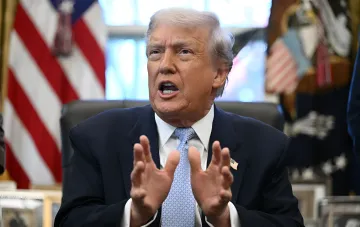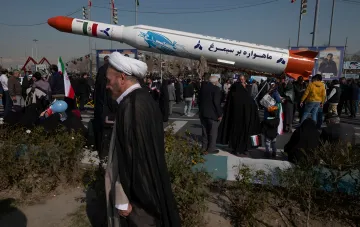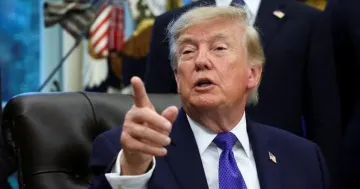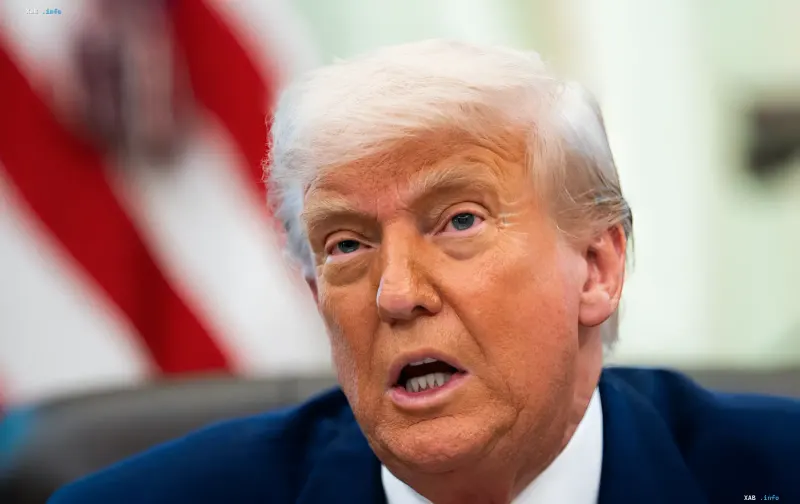
US President Donald Trump has taken a hardline stance against Tehran, rejecting an Iranian proposal for a temporary seven-day truce. According to reports from the authoritative publication The Wall Street Journal, the American leader does not intend to compromise and is considering the resumption of massive strikes against strategic targets and regime forces following the November midterm congressional elections in the US.
Diplomatic Maneuvers and Tehran's Ultimatums
During behind-the-scenes diplomatic contacts, official Tehran attempted to reach an agreement with Washington on opening the vital Strait of Hormuz, as well as resuming stalled negotiations on its disputed nuclear program. In exchange for these steps, the Iranian leadership expected an end to the harsh American naval blockade of national ports.
Public Rhetoric and Closed White House Assessments
Publicly, Donald Trump demonstrates maximum confidence, stating on social media and at press conferences that after the midterm elections conclude, Iran will be forced to ask for negotiations on American terms, including the complete and unconditional renunciation of nuclear development. However, in a tight circle of advisors, the US president expresses deep skepticism regarding Tehran's readiness to fulfill such radical demands, warning his inner circle of a high probability of resumed bombings.
Contradictory Data
Serious discrepancies remain within the expert community and among US officials regarding the actual scale and timing of a potential military campaign. On one hand, WSJ insiders confirm preparations for new strikes, while the Pentagon records an increase in casualties among military personnel during the seven-month standoff. On the other hand, officials note the extreme volatility of Trump's position, who throughout the conflict has repeatedly combined tough sanctions and airstrikes with sudden calls for a diplomatic settlement, while also showing reluctance to get bogged down in a protracted full-scale ground operation due to depleted ammunition stockpiles.
Potential Consequences and the Election Factor
The further development of the situation in the Middle East will directly depend on the outcome of the US midterm elections and the ability of the parties to find a compromise on key economic and energy corridors. Analysts warn that balancing on the brink of open war could at any moment spiral into a phase of uncontrolled escalation affecting global oil markets and the security of the entire region.