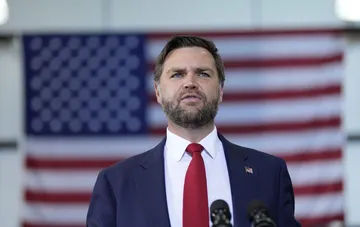
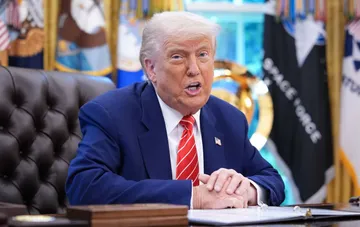
US President Donald Trump has publicly denied media reports claiming he instructed Vice President JD Vance to contact Iranian leadership to resume peace talks. During a session with journalists, the American leader clarified the true nature of humanitarian contacts, dismissing speculation about a secret diplomatic mission to resolve the conflict.
White House Statement and Humanitarian Context
Responding to a press question about reports in authoritative media, Donald Trump directly rejected claims that a peace deal was being prepared through his deputy. According to the head of the White House, the real agenda is exclusively related to humanitarian issues and the supply of necessary medical products. "No. Iran needs help with medical supplies. In essence, it is about delivering medicines to help the sick," the US president stressed, setting priorities for current contacts.
Media Reports and Regional Risks
Earlier, mass media published a version suggesting that Vice President JD Vance, acting on the president's instructions, sent a message to the head of Iran's security service to resume dialogue. Sources claimed this initiative allegedly aimed to prevent a potential military confrontation following the US midterm congressional elections. At the same time, it was noted that potential discussions supposedly touched only on general framework conditions rather than detailed peace proposals from the parties.
Military Preparations and Israel's Stance
Meanwhile, the situation in the region remains tense amid reports of possible combat escalation and the redeployment of air defense forces. Earlier, Israeli Prime Minister Benjamin Netanyahu, following parliamentary elections, openly stated there is a unique opportunity to strike a serious blow at Iranian infrastructure. According to the latest data from the US defense department, total US spending on operations related to Iran has already exceeded 47 billion dollars, including massive replenishment of depleted ammunition stockpiles and replacement of damaged equipment.
Significance of the Situation and Future Prospects
Official Washington's reaction demonstrates the White House's determination to tightly control the information flow around the delicate Middle East track. Separating humanitarian aid and geopolitical dialogue shows that large-scale military preparations against the backdrop of colossal budget expenditures remain a realistic scenario. Further developments will largely depend on internal political dynamics in the United States and the steps of regional players after the completion of electoral cycles.