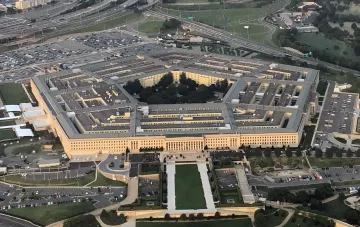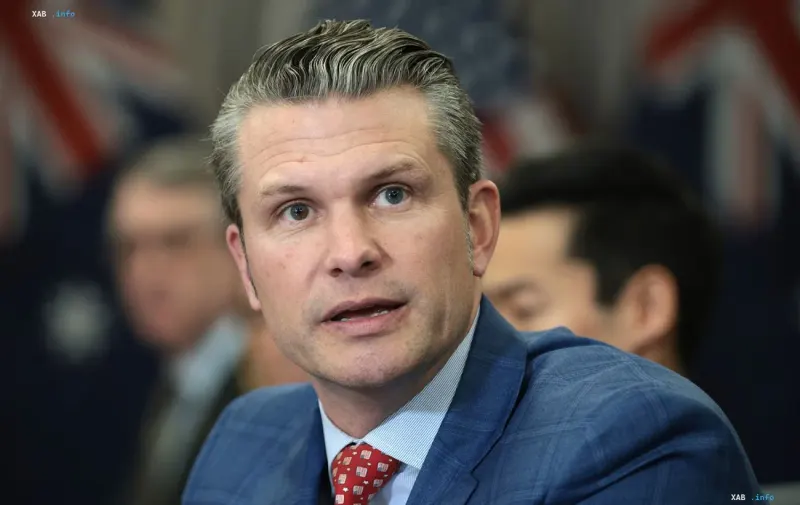
US War Secretary Pete Hegseth has decided, without explanation, to remove the Pentagon's top military planner, Lieutenant General Brett Sylvia, from his post. The personnel shake-up in the country's top military leadership occurred just as Washington is considering scenarios for a potential resumption of hostilities and new strikes against Iran, raising concerns among experts and former defense officials.
Removal of a Key General
This week it was revealed that US Army Lieutenant General Brett Sylvia lost his position in the Joint Chiefs of Staff. He served as the Director of the Strategy, Plans, and Policy Directorate, known within the military structure as J5. Sylvia became the second head of this strategically vital department to be dismissed over the past year.
The reasons for this decision have not been disclosed by the military leadership. Currently, no permanent replacement has been appointed for the dismissed general, and the name of a future candidate for Senate confirmation has not yet been announced. Last year, a similar position was temporarily held by the deputy and vice-director of the relevant directorate.
Risks Amid Middle Eastern Crisis
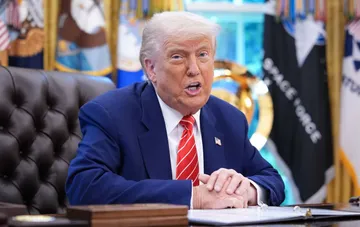
The dismissal of the chief planner comes at a critical juncture as US President Donald Trump's administration discusses the possibility of military escalation in the Middle East. Military analysts note that the lack of a permanent leader in the J5 directorate could weaken coordination between operational command, the Department of Defense, and the White House.
As experts familiar with the Pentagon's internal processes emphasize, this specific structure is responsible for drafting key strategic directives. Losing a specialized expert of this level during preparations for potential military operations poses serious risks to operational planning.
Significance of Personnel Changes for American Strategy
The sudden resignation of General Sylvia demonstrates serious internal shifts within the US administration's security bloc. In the event of a potential conflict with Iran, the coherence of actions among top military leadership becomes critical. Experts warn that a shortage of key figures in the strategic planning system could complicate decision-making by the country's senior military-political leadership in the event of a crisis escalation.